
Table of Contents
ToggleUnderstanding Smart Locks & Keyless Entry Systems: Comprehensive Guide to Installation, Features, and Security
Smart locks and keyless entry systems are revolutionizing home security by offering convenience and advanced technology. This comprehensive guide will delve into the workings, features, and security aspects of these innovative devices. Readers will learn how smart locks function, the various types available, and the benefits they provide in enhancing home security. As traditional locking mechanisms evolve, understanding smart locks is essential for modern homeowners seeking to improve their security systems. This article will cover the definition of smart locks, their key features, security concerns, selection criteria, professional installation services, and frequently asked questions.
What Are Smart Locks and Keyless Entry Systems?
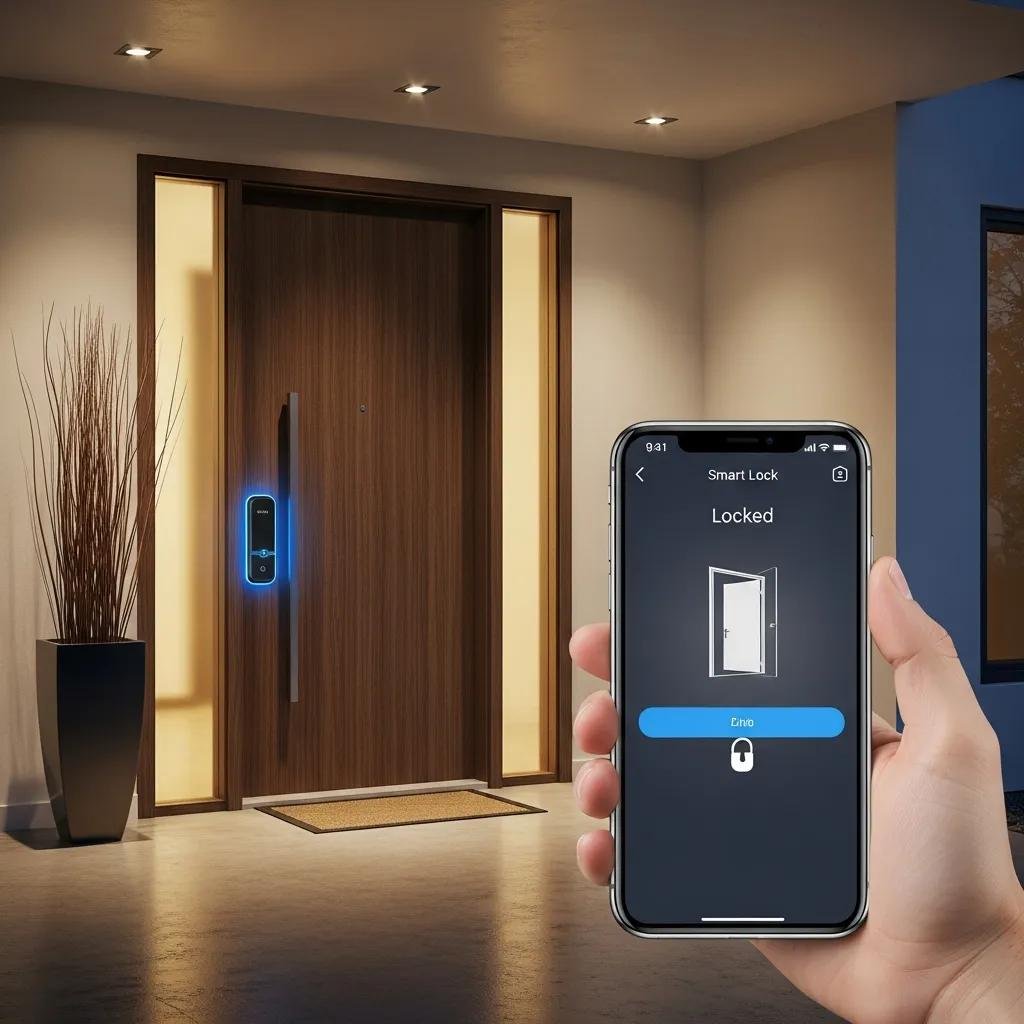
Smart locks are electronic locking devices that allow users to secure and access their homes without traditional keys. They utilize various technologies, such as Bluetooth, Wi-Fi, and Z-Wave, to enable remote access and control through smartphones or other devices. Keyless entry systems enhance convenience by eliminating the need for physical keys, allowing users to unlock doors with a simple tap on their smartphones, through keypad entry, or via voice commands. The importance of these systems lies in their ability to provide enhanced security and ease of use, making them a popular choice for modern homes.
How Do Smart Locks Work: Technology and Connectivity Explained
Smart locks operate using a combination of electronic components and connectivity features. They typically include a motorized bolt, sensors, and a communication module that connects to a smartphone app or smart home system. When a user sends a command via the app, the lock receives the signal and activates the motor to unlock or lock the door. This technology allows for remote access, enabling users to control their locks from anywhere, enhancing both security and convenience.
What Types of Smart Locks Are Available: Keypad, Biometric, and Retrofit Options
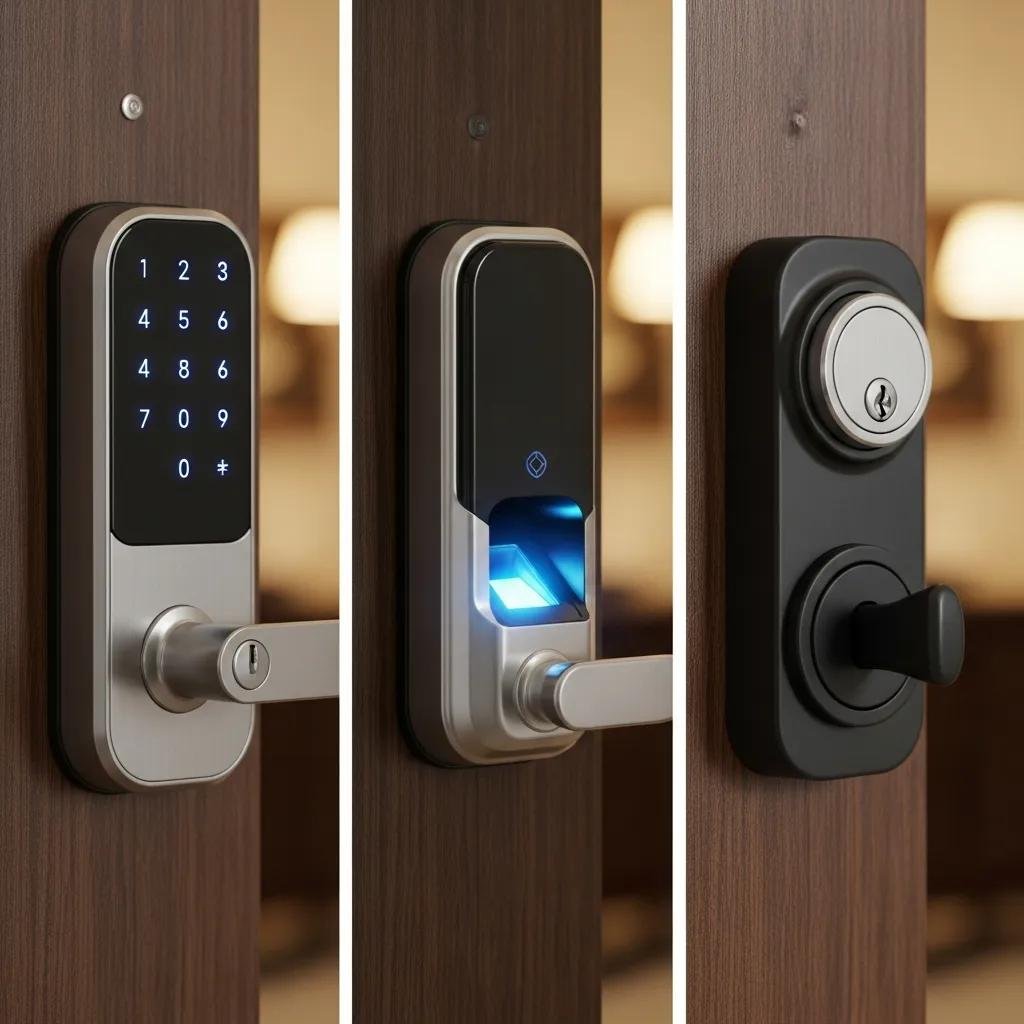
There are several types of smart locks available, each offering unique features and benefits:
- Keypad Locks: These locks require a numeric code to unlock, providing a simple and secure method of access without the need for keys.
- Biometric Locks: Utilizing fingerprint or other biometric recognition, these locks offer high security by ensuring that only authorized users can gain access.
- Retrofit Smart Locks: Designed to fit over or replace existing deadbolts, these locks allow homeowners to upgrade their security without replacing their entire locking system.
Each type caters to different user preferences and security needs, making it essential to choose the right one for your home.
What Are the Key Features and Benefits of Smart Home Door Locks?
Smart home door locks come with a variety of features that enhance security and convenience. Understanding these features can help homeowners make informed decisions when selecting a smart lock.
How Do Remote Access and Temporary Codes Enhance Security and Convenience?
Remote access allows users to lock or unlock their doors from anywhere using a smartphone app. This feature is particularly useful for granting access to guests or service providers without needing to be physically present. Additionally, temporary codes can be generated for visitors, allowing them to enter the home for a limited time. This capability enhances security by ensuring that access is controlled and monitored.
How Does Smart Home Integration Improve Your Keyless Entry Experience?
Smart locks can integrate seamlessly with other smart home devices, such as security cameras, alarms, and home automation systems. This integration allows for a cohesive security experience, where users can monitor their homes and control multiple devices from a single app. For instance, a smart lock can trigger a security camera to start recording when someone unlocks the door, providing an added layer of security.
How Secure Are Smart Locks? Addressing Security Concerns and Best Practices
While smart locks offer numerous benefits, potential security concerns must be addressed. Understanding these concerns and implementing best practices can help ensure the safety of your home.
What Encryption and Anti-Tamper Features Protect Smart Locks?
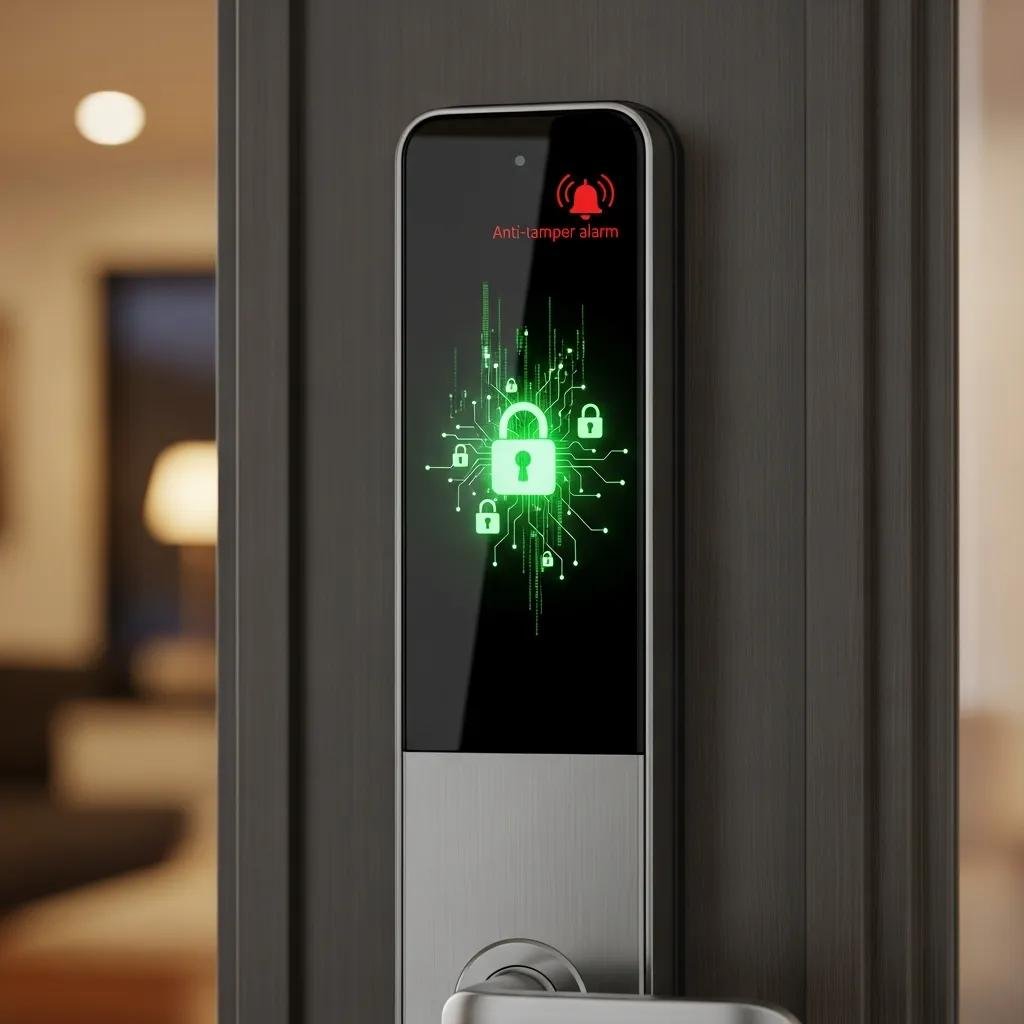
Smart locks utilize advanced encryption methods, such as AES 128-bit or 256-bit encryption, to secure communication between the lock and the user’s device. Many models also include anti-tamper features, such as alarms that activate if someone attempts to force the lock or tamper with the device. These security measures help protect against unauthorized access and hacking attempts, making smart locks a secure option for homeowners.
How Do Physical Security Standards Like C-Level Lock Cores Enhance Protection?
Physical security standards, such as C-level lock cores, provide an additional layer of protection for smart locks. These high-security cores are designed to resist picking, drilling, and bumping, making it more difficult for intruders to bypass the lock. By choosing a smart lock that meets these standards, homeowners can enhance their overall security.
How to Choose the Best Smart Locks for Home in 2026?
Selecting the right smart lock involves considering several factors to ensure it meets your security needs and preferences.
What Factors Should You Consider: Compatibility, Budget, and Features?
When choosing a smart lock, consider compatibility with your existing smart home system, your budget, and the features that are most important to you. Ensure that the lock you select can integrate with your other devices and fits within your financial plan. Additionally, prioritize features such as remote access, temporary codes, biometric options, and security standards to enhance your home’s safety.
Which Smart Lock Brands and Models Are Recommended for Charlotte Residents?
For residents in Charlotte, several smart lock brands are highly recommended due to their reliability and security features. Brands like August, Schlage, Yale, and Kwikset offer a range of models that cater to different needs and budgets. Researching user reviews and expert recommendations can help you make an informed decision when selecting a smart lock for your home.
What Does Professional Smart Lock Installation and Repair in Charlotte, NC Involve?
Professional installation ensures that your smart lock is set up correctly and functions as intended. This process typically involves assessing your door’s compatibility, installing the lock, and configuring it with your smart home system.
Why Choose My Locksmith Express for Smart Lock Installation Services?
My Locksmith Express offers 24/7 mobile locksmith services in the Charlotte, NC, and Lake Norman areas, including Cornelius, Huntersville, and Davidson. Their team of experienced technicians specializes in smart lock installation, ensuring that your new system is set up correctly and securely. With a focus on customer satisfaction, My Locksmith Express provides reliable and efficient service for all your locksmith needs.
How Are Smart Lock Repairs and Troubleshooting Handled Locally?
In the event of a malfunction or issue with your smart lock, My Locksmith Express is equipped to handle repairs and troubleshooting. Their local expertise ensures that any problems are addressed promptly, allowing you to maintain the security of your home without unnecessary delays.
What Are Common Questions About Smart Locks and Keyless Entry Systems?
As smart locks gain popularity, many homeowners have questions regarding their functionality and security.
Can Smart Locks Be Hacked and How to Prevent It?
While no system is entirely immune to hacking, smart locks can be made more secure through proper installation, strong encryption, and regular software updates. Users should choose locks with strong encryption protocols and enable two-factor authentication when available. Additionally, regularly changing access codes and monitoring access logs can help prevent unauthorized access.
Are Smart Locks Worth It Compared to Traditional Locks?
Smart locks offer several advantages over traditional locks, including convenience, remote access, and enhanced security features. While they may come at a higher initial cost, the long-term benefits of improved security and ease of use often outweigh the investment. Homeowners should weigh their specific needs and preferences when deciding between smart and traditional locks.