
Table of Contents
ToggleKey Duplication Laws in Charlotte, NC: Compliance & RequirementsUnderstanding Key Duplication Laws & Regulations: Legal Requirements and Compliance in Charlotte, NC
Key duplication laws are essential for maintaining security and legality in both residential and commercial settings. These regulations govern how keys can be copied, ensuring that unauthorized duplication does not compromise safety. In this article, we will explore the various key duplication laws and their significance, particularly in Charlotte, NC. Understanding these laws is crucial for residents and businesses alike, as they navigate the complexities of key control and security.
Many individuals and businesses may not realize the implications of key duplication laws until they face a security breach or legal issue. This article will provide a comprehensive overview of key duplication laws, including federal, state, and local regulations, the meaning of “Do Not Duplicate” markings, and the specific laws that apply in North Carolina and Charlotte. We will also discuss how My Locksmith Express ensures compliance with these laws, the risks of illegal key copying, and how customers can protect themselves.
What Are Key Duplication Laws and Why Do They Matter?
Key duplication laws are regulations that dictate how keys can be copied and who is authorized to perform such duplications. These laws are crucial for protecting property and ensuring that only authorized individuals have access to specific areas. Compliance with these laws helps prevent unauthorized access and potential security breaches, making them vital for both residential and commercial properties.
Understanding the differences in key duplication laws at the federal, state, and local levels is essential for locksmiths and consumers alike. Each level of government may impose different regulations, which can affect how locksmith services operate. For instance, federal laws may set general guidelines, while state and local laws can impose stricter requirements based on community needs.
How Do Federal, State, and Local Regulations Differ in Key Duplication?
Federal regulations do not specifically regulate key duplication but provide a broad framework for security standards in certain contexts, such as federal facilities. However, state laws can vary significantly, with some states implementing stricter controls on specific types of keys, such as restricted or patent-protected keys. Local ordinances in cities like Charlotte may further refine these regulations, addressing unique community concerns and security needs.
For example, while federal law does not generally prohibit the duplication of most keys, state laws might restrict the copying of certain keys without proper authorization. Local regulations can add another layer of complexity, requiring locksmiths to be well-versed in the specific laws that apply in their area.
What Is the Legal Meaning of 'Do Not Duplicate' on Keys?

The phrase “Do Not Duplicate” on a key serves as a warning against unauthorized duplication but is not legally binding on its own. It indicates that the key may be subject to restrictions imposed by the property owner or manufacturer. Violating this marking is generally not a criminal offense unless the key is restricted by law or duplication results in unauthorized access to a property, which could lead to legal consequences.
Understanding the implications of this marking is crucial for both consumers and locksmiths. Locksmiths must be aware of the legal ramifications of duplicating such keys, while consumers should understand their rights regarding key duplication and the potential risks of unauthorized copies.
Which Keys Are Restricted or Patent Protected and How Does This Affect Duplication?
Certain keys are classified as restricted or patent-protected, meaning they have legal protections that prevent unauthorized duplication. These keys often require special authorization or documentation to be copied, ensuring that only authorized individuals can access the corresponding locks.
Restricted keys are typically issued by specific manufacturers and come with unique designs that make them difficult to duplicate without proper authorization. Patent-protected keys, on the other hand, are protected by intellectual property laws, preventing unauthorized duplication for a specified period, usually the life of the patent (typically 20 years from the filing date).
What Defines a Restricted Key and Its Legal Protections?
A restricted key is defined by its unique design and the legal protections that accompany it. These keys are often issued by locksmiths or manufacturers who maintain control over their duplication. Legal protections for restricted keys can include patents, trademarks, or specific contractual agreements that limit who can duplicate the key.
The criteria for restriction can vary, but generally, these keys are designed to enhance security by preventing unauthorized access. Examples of restricted keys include those used in commercial settings, such as master key systems, where access must be tightly controlled.
What Are the Legal Consequences of Unauthorized Restricted Key Duplication?
Unauthorized duplication of restricted keys can lead to legal consequences, particularly if the key is patent-protected or if duplication violates contractual agreements. Locksmiths who duplicate these keys without proper authorization may face civil liability, including lawsuits for patent infringement or breach of contract. Criminal penalties are rare but possible if duplication facilitates criminal activity.
Consumers who possess unauthorized copies may be held liable for any security breaches that occur as a result, especially if they knowingly used illegally duplicated keys.
Understanding the legal ramifications of unauthorized key duplication is essential for both locksmiths and consumers. It emphasizes the importance of adhering to key duplication laws and the potential risks associated with non-compliance.
What Are North Carolina and Charlotte-Specific Key Duplication Laws?
North Carolina does not have specific statutes that directly regulate key duplication for the general public but does regulate locksmith licensing and certain security practices. Locksmiths in North Carolina must be licensed and comply with state regulations regarding their business practices.
In Charlotte, there are no known local ordinances that specifically regulate key duplication beyond state licensing requirements. However, property owners and businesses may impose their own policies restricting key duplication.
Which North Carolina Statutes Govern Key Duplication?
North Carolina General Statutes regulate locksmith licensing under Chapter 74D, which requires locksmiths to be licensed and adhere to professional standards. While these statutes do not specifically govern key duplication, they ensure locksmiths operate within a legal framework that prioritizes security and consumer protection.
Key statutes require locksmiths to verify the identity of individuals requesting key duplication, particularly for restricted or patent-protected keys, to prevent unauthorized access and ensure compliance with state laws.
What Local Ordinances in Charlotte Affect Key Copying Practices?
Charlotte does not have specific local ordinances that regulate key duplication practices beyond state locksmith licensing requirements. However, local businesses and property management companies may enforce their own policies regarding key control and duplication.
Locksmiths operating in Charlotte must be aware of these local policies and state regulations to ensure compliance and protect their business from potential legal issues. Understanding the local landscape of key duplication laws is essential for providing safe and reliable locksmith services.
How Do Commercial and Residential Key Control Regulations Impact Duplication?
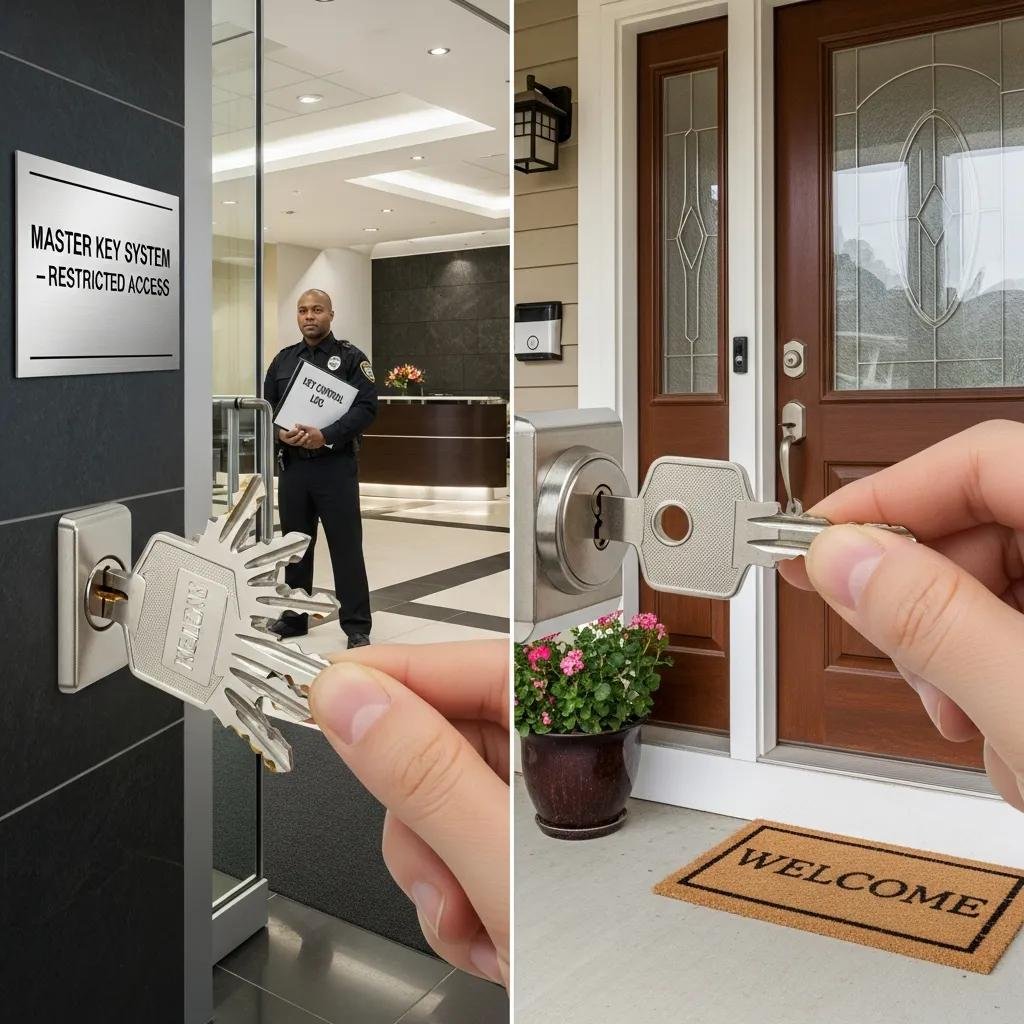
Key control regulations vary between commercial and residential properties, impacting how keys can be duplicated and who is authorized to do so. Understanding these differences is crucial for locksmiths and property owners to ensure compliance with applicable laws.
Commercial properties often have stricter key control measures in place, requiring more rigorous verification processes for key duplication. Residential properties, while still subject to key duplication laws, may have more lenient regulations depending on the type of keys involved.
What Are the Legal Considerations for Master Key Systems?
Master key systems are commonly used in commercial settings to provide controlled access to multiple areas. Legal considerations for these systems include ensuring that only authorized personnel can duplicate master keys and that proper documentation is maintained.
Locksmiths must be aware of the legal implications of creating and duplicating master keys, as unauthorized duplication can lead to security breaches and legal liabilities. Understanding the legal framework surrounding master key systems is essential for providing secure locksmith services.
What Rights Do Property Owners and Tenants Have Regarding Key Duplication?
Property owners generally have the right to control who can duplicate keys to their property, especially for restricted or patent-protected keys. Tenants have rights related to access and security but typically do not have the authority to duplicate keys without the landlord’s permission.
Understanding these rights is crucial for both property owners and tenants to ensure compliance with key duplication laws and protect against unauthorized access. Clear communication between landlords and tenants regarding key duplication policies can help prevent misunderstandings and security issues.
How Does My Locksmith Express Ensure Legal and Secure Key Duplication?
My Locksmith Express is committed to providing legal and secure key duplication services in compliance with all applicable laws and regulations. Our policies are designed to ensure that we handle restricted and patent-protected keys with the utmost care and attention to legal requirements.
By prioritizing compliance and security, we aim to provide our customers with peace of mind when it comes to key duplication. Our team is trained to understand the complexities of key duplication laws, ensuring that we operate within the legal framework while delivering high-quality locksmith services.
What Is Our Policy on Handling Restricted and Patent-Protected Keys?
Our policy on handling restricted and patent-protected keys includes strict verification processes to ensure that only authorized individuals can request duplication. We maintain detailed records of all key duplication requests, ensuring compliance with legal requirements and protecting our customers’ security.
By adhering to these policies, we can provide our customers with confidence in our key duplication services, knowing that we prioritize their safety and security.
Why Choose My Locksmith Express for Compliant Key Duplication in Charlotte?
Choosing My Locksmith Express for key duplication services means selecting a provider that prioritizes legal compliance and customer security. Our commitment to following key duplication laws ensures that our customers receive reliable and secure services.
With a focus on customer satisfaction and safety, we strive to be the trusted locksmith service in Charlotte, providing fast and efficient key duplication while adhering to all legal requirements.
What Are the Risks and Consequences of Illegal Key Copying?
Illegal key copying poses significant risks for both locksmiths and consumers. Engaging in unauthorized duplication can lead to legal consequences, including fines and potential civil liability. Additionally, consumers who possess illegally copied keys may face security risks and liability for any resulting breaches.
Understanding the risks associated with illegal key copying is essential for both locksmiths and consumers to ensure compliance with key duplication laws and protect against unauthorized access.
What Legal Liabilities Arise from Unauthorized Key Duplication?
Unauthorized key duplication can result in various legal liabilities for locksmiths and consumers. Locksmiths who duplicate keys without proper authorization may face penalties, including fines and loss of their license. Consumers may also be held liable for any security breaches that occur as a result of possessing unauthorized copies.
It is crucial for both parties to understand the legal implications of key duplication to avoid potential liabilities and ensure compliance with applicable laws.
How Can Customers Protect Themselves from Illegal Key Copying?
Customers can take several steps to protect themselves from illegal key copying. These include:
- Verify Locksmith Credentials: Always choose a licensed and reputable locksmith to ensure compliance with key duplication laws.
- Understand Key Markings: Be aware of the implications of “Do Not Duplicate” markings and ensure that keys are copied legally.
- Maintain Records: Keep detailed records of key duplication requests to ensure accountability and compliance.
This table summarizes the legal status and duplication requirements for different types of keys, highlighting the importance of understanding key duplication laws.
| Key Type | Legal Status | Duplication Requirements |
|---|---|---|
| Restricted Keys | Protected | Authorization required |
| Patent-Protected Keys | Protected | Legal documentation needed |
| Standard Keys | Generally Allowed | No special requirements |
This table outlines the differences in key duplication regulations at various government levels, emphasizing the need for locksmiths to be aware of local laws.
| Regulation Level | Description | Impact on Duplication |
|---|---|---|
| Federal | General guidelines | Broad framework; no specific key duplication laws |
| State | Specific statutes | Varies by state; licensing and restrictions on certain keys |
| Local | Community ordinances | Localized requirements; often property-specific policies |
In conclusion, understanding key duplication laws and regulations is essential for both locksmiths and consumers in Charlotte, NC. By adhering to these laws, individuals can protect their property and ensure that key duplication is performed legally and securely.