
Table of Contents
ToggleHow Blockchain Smart Locks and Decentralized Access Enhance SecurityThe Potential of Blockchain Technology in Security & Locks: Exploring Smart Locks, Decentralized Access, and Crypto Security
Blockchain technology is revolutionizing various industries, and its application in security and locks is particularly promising. This article delves into the potential of blockchain technology, focusing on smart locks, decentralized access control, and crypto security. Readers will learn how these innovations enhance physical security, improve transparency, and protect digital assets. As security concerns grow, traditional locking mechanisms face increasing vulnerabilities, prompting the need for advanced solutions. This article will explore the fundamentals of blockchain smart locks, the benefits of decentralized access control, and the future impact of these technologies on local communities, including how My Locksmith Express can play a role in this transformation.
What Are Blockchain Smart Locks and How Do They Enhance Physical Security?
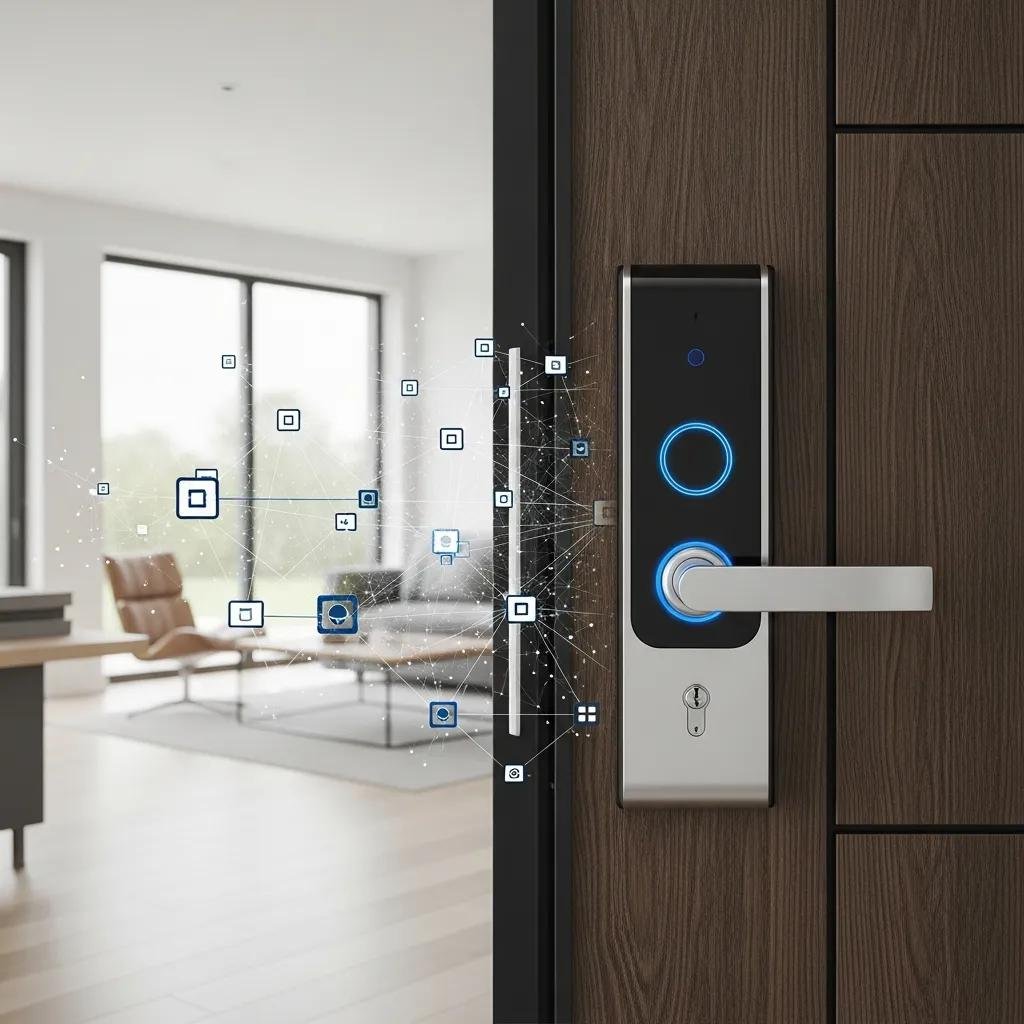
Blockchain smart locks represent a significant advancement in security technology, utilizing decentralized networks to enhance physical security. Unlike traditional locks, which rely on mechanical keys, blockchain smart locks use cryptographic keys managed via a blockchain to control access. This innovative approach not only increases security but also provides users with greater control over their access permissions. The integration of blockchain technology ensures that access records are immutable and transparent, making it extremely difficult for unauthorized individuals to gain entry.
How Do Blockchain Smart Locks Differ from Traditional Locks?
Blockchain smart locks differ fundamentally from traditional locks in their operational mechanisms. Traditional locks rely on physical keys, which can be lost or duplicated, posing security risks. In contrast, blockchain smart locks utilize cryptographic keys that are unique and cannot be easily replicated. This digital approach enhances security by allowing users to manage access remotely, granting or revoking permissions instantly. Additionally, blockchain smart locks can provide real-time access logs, offering insights into who accessed the property and when, a feature traditional locks cannot provide.
What Benefits Do Blockchain Smart Locks Offer for Homes and Businesses?
The benefits of blockchain smart locks extend to both residential and commercial applications. For homeowners, these locks offer increased security through remote access management, allowing users to control entry from anywhere via a smartphone app. Businesses can benefit from enhanced security measures, such as the ability to create temporary access codes for visitors or contractors, which can be easily revoked. Furthermore, the audit trails provided by blockchain technology ensure accountability and transparency, making it easier to track access and identify potential security breaches.
How Does Decentralized Access Control Improve Security and Transparency?

Decentralized access control is a core principle of blockchain technology that significantly enhances security and transparency. By eliminating the need for a central authority to manage access permissions, decentralized systems reduce the risk of single points of failure. This approach ensures that access control is distributed across a network, making it more resilient to attacks and unauthorized access. Additionally, the transparency inherent in blockchain technology allows all transactions to be recorded and verified, fostering trust among users.
What Is Decentralized Access Control and Its Core Principles?
Decentralized access control refers to a system where access permissions are managed across a distributed network rather than a central server. This model operates on the principles of transparency, security, and user empowerment. Each user has control over their access rights, which are recorded on a blockchain, ensuring that changes are immutable and verifiable. This system not only enhances security but also promotes user trust, as individuals can independently verify access records.
How Does Decentralized Access Compare to Centralized Systems?
When comparing decentralized access control to centralized systems, several key differences emerge. Centralized systems often present vulnerabilities, as a single breach can compromise the entire network. In contrast, decentralized systems distribute risk, making it significantly harder for attackers to gain unauthorized access. Furthermore, centralized systems can lead to data manipulation or loss, while decentralized systems maintain integrity through blockchain’s immutable records. This fundamental difference highlights the advantages of adopting decentralized access control for enhanced security.
What Are the Fundamentals of Crypto Security in Physical and Digital Assets?
Crypto security is essential for protecting both physical and digital assets in an increasingly interconnected world. At its core, crypto security involves the use of cryptographic techniques to secure data and control access. This approach is particularly relevant for blockchain applications, where the integrity of transactions and access permissions must be maintained. Understanding the fundamentals of crypto security is crucial for leveraging blockchain technology effectively.
How Do Cryptographic Keys Protect Access and Digital Assets?
Cryptographic keys play a vital role in protecting access to both physical and digital assets. These keys are generated through complex algorithms, ensuring that only authorized users can access specific information or locations. In the context of blockchain smart locks, cryptographic keys are used to grant or deny access, making it extremely difficult for unauthorized individuals to gain entry. This level of security is essential for safeguarding sensitive data and ensuring the integrity of digital transactions.
What Are Common Crypto Security Threats and How Can They Be Prevented?

Despite the robust security measures provided by cryptographic techniques, several threats can compromise crypto security. Common threats include phishing attacks, where attackers attempt to deceive users into revealing their cryptographic keys, and malware that targets devices storing these keys. To prevent such threats, users should employ best practices such as using hardware wallets or secure key storage methods, enabling two-factor authentication, and regularly updating software to protect against vulnerabilities. Awareness and education about these threats are crucial for maintaining a secure environment.
How Does Immutable Ledger Technology Strengthen Security Systems?
Immutable ledger technology is a cornerstone of blockchain security, providing a tamper-proof record of transactions and access permissions. This technology ensures that once data is recorded on the blockchain, it cannot be altered or deleted, creating a reliable audit trail. The immutability of blockchain records enhances security systems by providing verifiable evidence of access events, which can be crucial in investigations or audits.
What Is an Immutable Ledger and How Does It Prevent Tampering?
An immutable ledger is a database that cannot be modified once data is recorded. This characteristic is achieved through cryptographic hashing, which links each block of data to the previous one, creating a chain of records. Any attempt to alter a single record would require changing all subsequent records, making tampering virtually impossible. This feature is particularly beneficial for security systems, as it ensures that access logs remain accurate and trustworthy.
How Does Blockchain Transparency Enable Auditability in Access Logs?
Blockchain’s transparency allows for comprehensive auditability in access logs. Each access event is recorded on the blockchain, providing a clear and verifiable history of who accessed a property and when. This level of transparency is invaluable for security audits, as it enables organizations to track access patterns and identify potential security breaches. By leveraging blockchain technology, businesses can enhance their security protocols and ensure compliance with regulatory requirements.
How Are IoT and Smart Contracts Integrated with Blockchain for Enhanced Security?
The integration of IoT devices and smart contracts with blockchain technology offers exciting possibilities for enhancing security systems. IoT devices can collect and transmit data in real-time, while smart contracts automate processes based on predefined conditions. This combination allows for more efficient and secure access management, as actions can be triggered automatically based on data inputs from IoT devices.
How Do Smart Contracts Automate Access Management in Blockchain Systems?
Smart contracts are self-executing contracts with the terms of the agreement directly written into code. In the context of access management, smart contracts can automate the granting and revocation of access permissions based on specific conditions. For example, a smart contract could automatically grant access to a delivery person during a specified time window, ensuring that access is only available when needed. This automation reduces the risk of human error and enhances overall security.
What Security Considerations Arise When Combining IoT Devices with Blockchain?
While the integration of IoT devices with blockchain technology offers numerous benefits, it also presents unique security challenges. IoT devices can be vulnerable to hacking, and if compromised, they could provide unauthorized access to the blockchain network or the physical assets controlled by blockchain smart locks. To mitigate these risks, it is essential to implement robust security measures, such as encryption, secure device authentication, and regular software updates. Ensuring the security of IoT devices is critical for maintaining the integrity of the entire blockchain system.
What Is the Future Impact of Blockchain Security Technologies on Local Communities?
The future impact of blockchain security technologies on local communities is poised to be transformative. As these technologies become more widely adopted, they can enhance security measures, reduce crime rates, and foster trust among community members. The integration of blockchain smart locks and decentralized access control can empower individuals and businesses to take control of their security, leading to safer neighborhoods.
How Might Blockchain Security Solutions Affect Charlotte, NC, and Lake Norman Regions?
In regions like Charlotte, NC, and Lake Norman, the adoption of blockchain security solutions can address local security challenges effectively. By implementing blockchain smart locks, residents can enhance their home security while businesses can streamline access management for employees and visitors. The transparency and accountability provided by blockchain technology can foster a sense of community trust, encouraging collaboration among residents to improve overall safety.
What Role Can My Locksmith Express Play in Advancing Blockchain Security Locally?
My Locksmith Express can play a pivotal role in advancing blockchain security locally by offering expertise in the installation and management of blockchain smart locks. As a locksmith service provider focused on delivering fast and reliable services, My Locksmith Express can educate the community about the benefits of blockchain technology in security. By integrating these advanced solutions into their offerings, the company can help residents and businesses in Charlotte and Lake Norman enhance their security measures and embrace the future of access management.