Table of Contents
ToggleTeaching Kids Lockout Safety: Key Prevention and Home Security TipsTeaching Kids Lockout Safety: Essential Child Lockout Prevention Tips and Home Security Education for Families
Teaching kids about lockout safety is crucial for preventing accidents and ensuring their well-being at home. Children are naturally curious and may inadvertently lock themselves in or out of rooms, leading to potentially dangerous situations. This article will provide parents with essential tips on teaching kids lockout safety, focusing on common risks, effective teaching methods, and practical solutions. By understanding the importance of home security education, families can create a safer environment for their children. We will explore common lockout risks, age-appropriate lessons, childproofing solutions, emergency safety plans, and the role of local locksmith services in emergencies.
What Are the Common Lockout Risks Children Face at Home?
Lockout risks for children at home can lead to safety concerns. Common scenarios include children accidentally locking themselves in bathrooms or bedrooms, which can cause panic and distress. While specific statistics on children experiencing lockouts each year are limited, lockout incidents are common enough to warrant awareness and prevention strategies. Understanding these risks is the first step in ensuring children’s safety and preventing lockout incidents.
Which Household Areas Pose the Highest Lockout Dangers for Kids?
Certain areas in the home pose higher lockout dangers for children. Bathrooms are particularly risky due to their simple locks that children can easily engage, trapping them inside. Additionally, kitchen cabinets may contain dangerous items, making it essential to secure these areas effectively, though kitchen doors themselves are less commonly involved in lockouts. Preventive measures include installing childproof locks and teaching children about the importance of staying calm during a lockout situation.
How Do Different Door Locks Affect Child Safety and Lockout Risks?
The type of door locks used in a home significantly impacts child safety and lockout risks. For example, traditional knob locks can be easily manipulated by children, increasing the likelihood of accidental lockouts. In contrast, deadbolts and smart locks offer enhanced security features that can be childproofed. Parents should consider using locks that are difficult for children to operate while ensuring they can be easily accessed by adults in case of emergencies. Recommendations for safe locks include those with keyless entry options, which can provide both security and convenience.
How Can Parents Teach Kids About Home Security and Lock Safety?
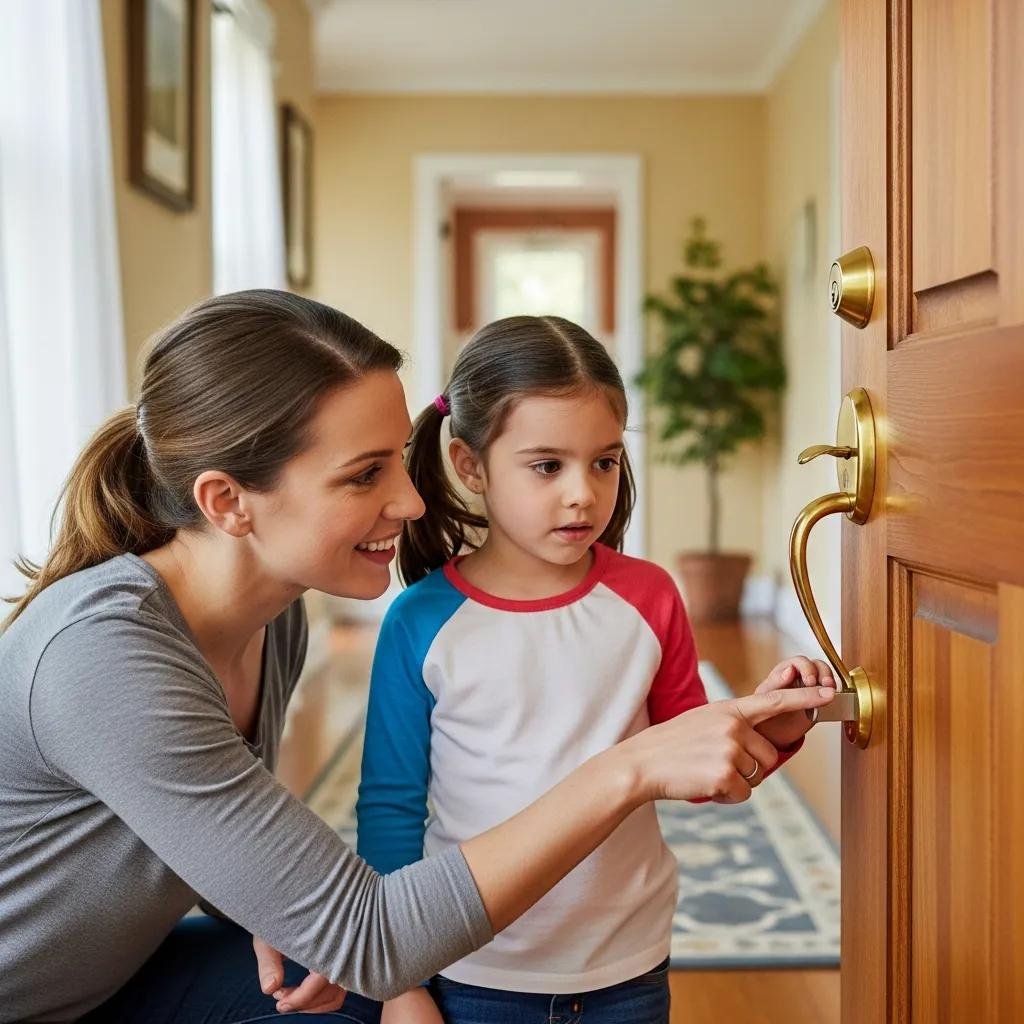
Educating children about home security and lock safety is essential for fostering a sense of responsibility and awareness. Parents can implement age-appropriate lessons that cater to different developmental stages, ensuring that children understand the importance of lockout prevention.
What Are Age-Appropriate Lock Safety Lessons for Toddlers and Older Children?
Teaching lock safety can be tailored to various age groups. For toddlers, simple lessons about not playing with locks can be effective. As children grow older, parents can introduce more complex concepts, such as the importance of keeping doors locked when not in use. A table of lessons by age can help parents structure their teaching approach effectively.
| Age Group | Lesson Focus | Key Points |
|---|---|---|
| Toddlers | Basic Awareness | Not playing with locks, understanding boundaries |
| Preschool | Simple Rules | Keeping doors closed, asking for help if locked out |
| School Age | Responsibility | Knowing emergency contacts, practicing lockout scenarios |
How to Use Role-Playing and Practice to Reinforce Lockout Prevention?
Role-playing is an effective method for reinforcing lockout prevention lessons. Parents can create scenarios where children practice what to do if they find themselves locked out. For example, simulating a lockout situation can help children learn to stay calm and seek help from an adult. Engaging children in these practices makes the learning process fun and memorable, ensuring they retain the information when it matters most.
What Childproof Door Lock Solutions Are Best for Preventing Lockouts?
Childproofing solutions are essential for preventing lockouts and ensuring children’s safety at home. Various types of child safety locks can be installed on residential doors to minimize risks.
Which Types of Child Safety Locks Are Effective for Residential Doors?
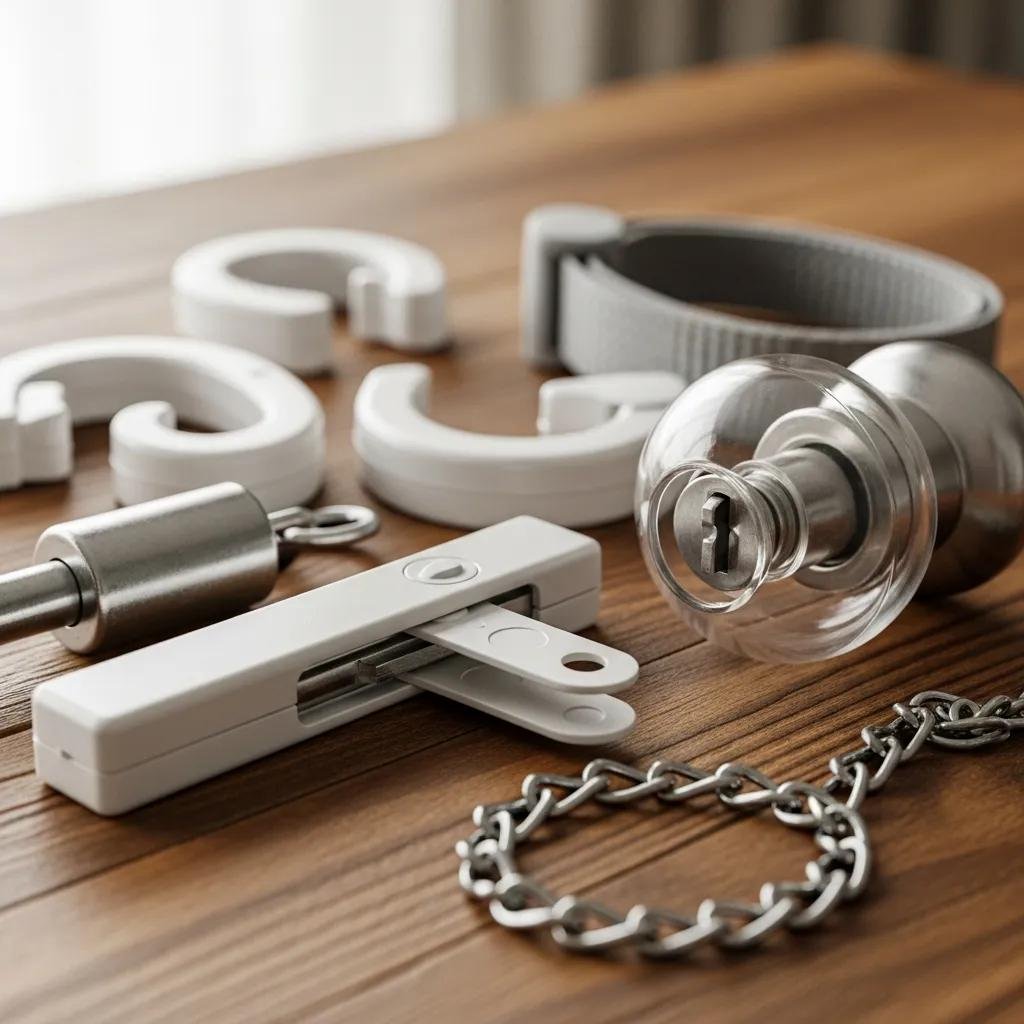
Effective child safety locks for residential doors include sliding bolt locks, chain locks, and door knob covers. These locks are designed to be difficult for children to operate while remaining accessible to adults. Parents should consider the pros and cons of each type to determine the best fit for their home. For instance, sliding bolt locks provide added security but may require adult supervision for operation.
How Do Smart Locks Enhance Childproofing and Home Security?
Smart locks offer advanced features that enhance childproofing and overall home security. These locks can be programmed to allow access only to trusted individuals, reducing the risk of unauthorized entry. Additionally, many smart locks come with mobile app integration, enabling parents to monitor who enters and exits the home. This technology not only improves security but also provides peace of mind for parents concerned about their children’s safety.
How to Create an Emergency Safety Plan for Children in Case of Lockouts?
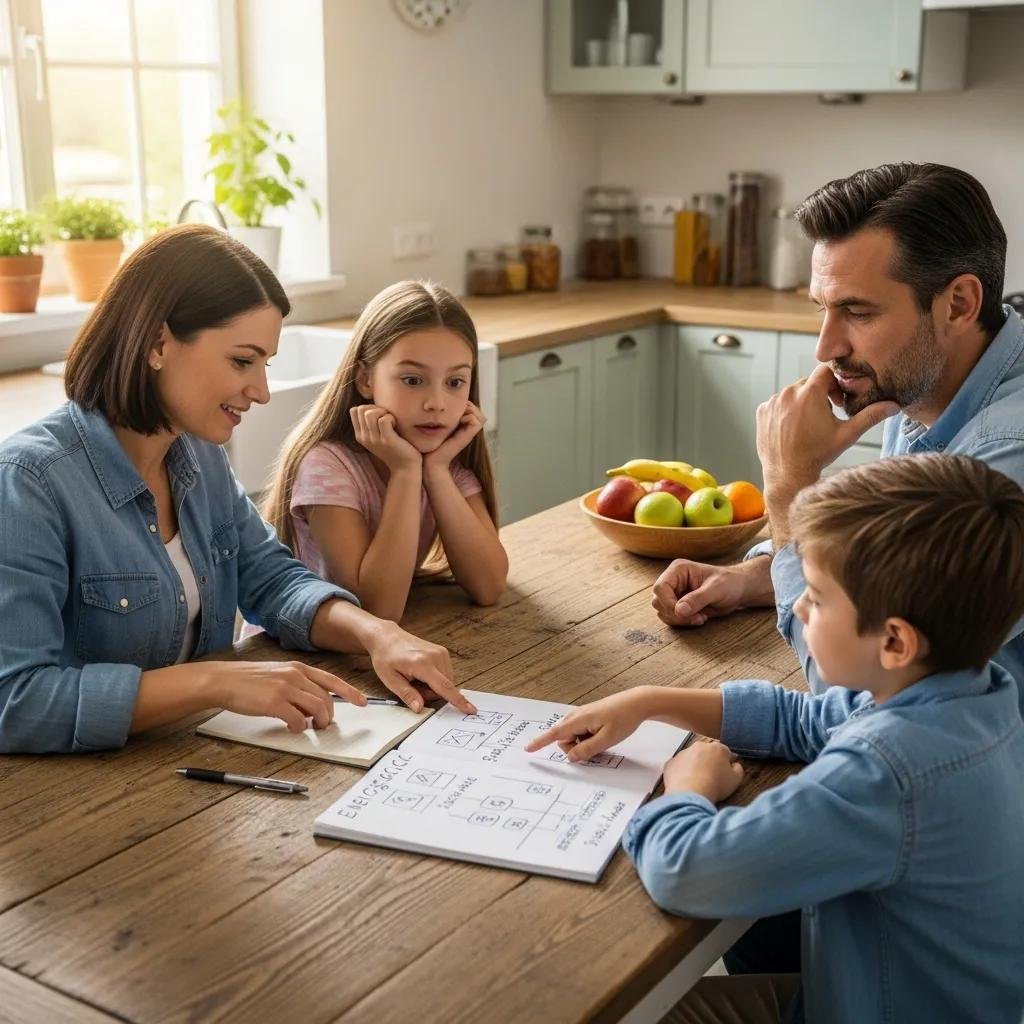
Developing an emergency safety plan is crucial for preparing children for potential lockout situations. This plan should outline clear steps for children to follow if they find themselves locked out of a room or the house.
What Emergency Contacts Should Be Included in a Family Communication Plan?
A family communication plan should include essential emergency contacts, such as parents, neighbors, and trusted family members. Children should be taught how to reach these contacts in case of a lockout. Regularly updating this information ensures that children have access to the most current contacts, enhancing their ability to respond effectively during emergencies.
How Can Families Practice and Prepare Kids for Lockout Emergencies?
Practicing the emergency safety plan is vital for ensuring children know what to do during a lockout. Families can conduct drills that simulate lockout scenarios, allowing children to practice their responses. Making these drills engaging and fun can help children feel more comfortable and confident in their ability to handle real-life situations.
When a Lockout Happens: How Can Local Locksmith Services Support Families?
Local locksmith services play a crucial role in supporting families during lockout emergencies. Understanding the available services can help parents respond quickly and effectively when a lockout occurs.
What Emergency Locksmith Services Does My Locksmith Express Provide in Charlotte and Lake Norman?
My Locksmith Express offers a range of emergency locksmith services in Charlotte and the Lake Norman region. These services include fast response times for lockouts, professional mobile service, and transparent pricing. Families can rely on licensed and insured locksmiths to provide assistance during stressful situations, ensuring their safety and peace of mind.
How to Access Fast, Reliable Locksmith Help During Child Lockout Situations?
In the event of a child lockout, families should know how to access locksmith services quickly. Keeping contact information for local locksmiths readily available can save valuable time during emergencies. Parents should also teach children how to communicate their situation clearly, ensuring that help arrives promptly.
How to Integrate Kids Home Safety Education with Modern Smart Home Security?
Integrating home safety education with modern smart home security systems can enhance children’s understanding of safety measures. By combining technology with education, parents can create a comprehensive approach to home security.
What Smart Home Devices Support Child Lockout Prevention and Monitoring?
Smart home devices, such as security cameras and smart locks, can support child lockout prevention and monitoring. These devices allow parents to keep an eye on their children and ensure they are safe at home. Additionally, smart home systems can send alerts if doors are left unlocked or if unusual activity is detected, providing an extra layer of security.
How to Combine Traditional Locks with Technology for Enhanced Child Safety?
Combining traditional locks with smart technology can create a robust security system for families. For example, using a smart lock alongside traditional deadbolts can provide both convenience and security. This hybrid approach allows parents to maintain control over their home security while ensuring that children are protected from potential lockout situations.