
Table of Contents
ToggleProven Retail Loss Prevention & Inventory Security SolutionsEffective Strategies for Retail Loss Prevention & Inventory Security: Comprehensive Solutions for Retailers
Retail loss prevention and inventory security are critical components for maintaining profitability in the retail sector. With the increasing prevalence of theft and inventory shrinkage, retailers must adopt effective strategies to safeguard their assets. This article will explore various strategies for retail loss prevention, focusing on the mechanisms that reduce shrinkage and enhance inventory security. Readers will learn about the importance of physical security measures, operational methods, and the integration of locksmith services to create a comprehensive security framework. By understanding these strategies, retailers can effectively mitigate risks and protect their investments.
What Are the Key Retail Loss Prevention Strategies to Reduce Shrinkage?
Shrinkage refers to the loss of inventory due to theft, fraud, or errors, significantly impacting a retailer’s bottom line. Effective retail loss prevention strategies are essential for minimizing shrinkage and ensuring operational efficiency. These strategies encompass a range of measures, including physical security, employee training, and technology integration. By implementing these strategies, retailers can create a secure environment that deters theft and promotes accountability among staff.
How Does Physical Security Impact Retail Theft Prevention?
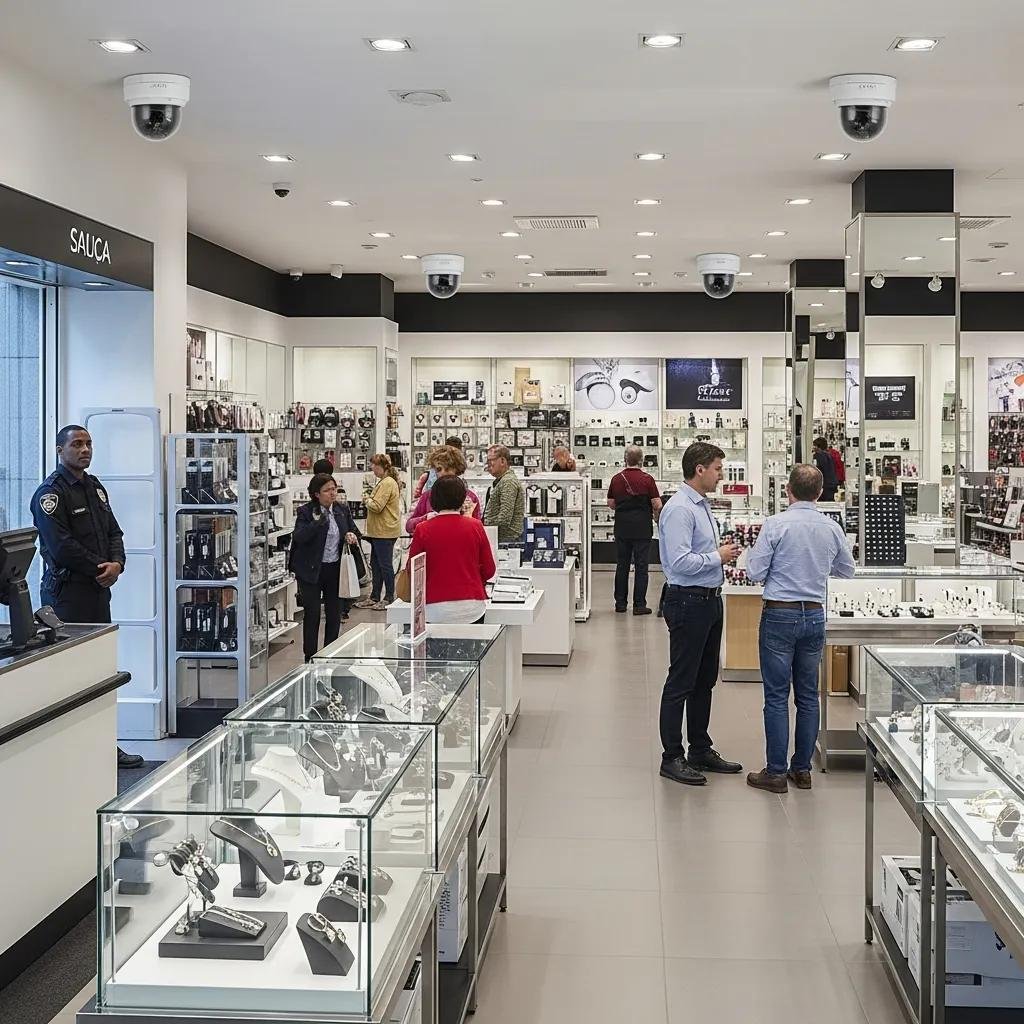
Physical security plays a vital role in preventing retail theft by creating barriers that deter potential criminals. Effective physical security measures include surveillance cameras, security personnel, and high-security locks. Studies indicate that stores with visible security measures experience lower theft rates, as the perceived risk of getting caught discourages criminal activity. For instance, retailers that invest in comprehensive surveillance systems can monitor customer behavior and identify suspicious activities in real-time, enhancing overall security.
Which Operational Methods Help Control Retail Shrinkage?
Operational methods are crucial for controlling retail shrinkage and ensuring that inventory is accurately tracked. Implementing employee training programs that emphasize the importance of loss prevention can significantly reduce internal theft. Additionally, utilizing inventory management techniques, such as regular audits and stock counts, helps identify discrepancies early. Technology, such as RFID tagging, can also streamline inventory tracking, making it easier to pinpoint losses and improve accountability.
How Do Inventory Security Solutions Protect Retail Stock and Assets?
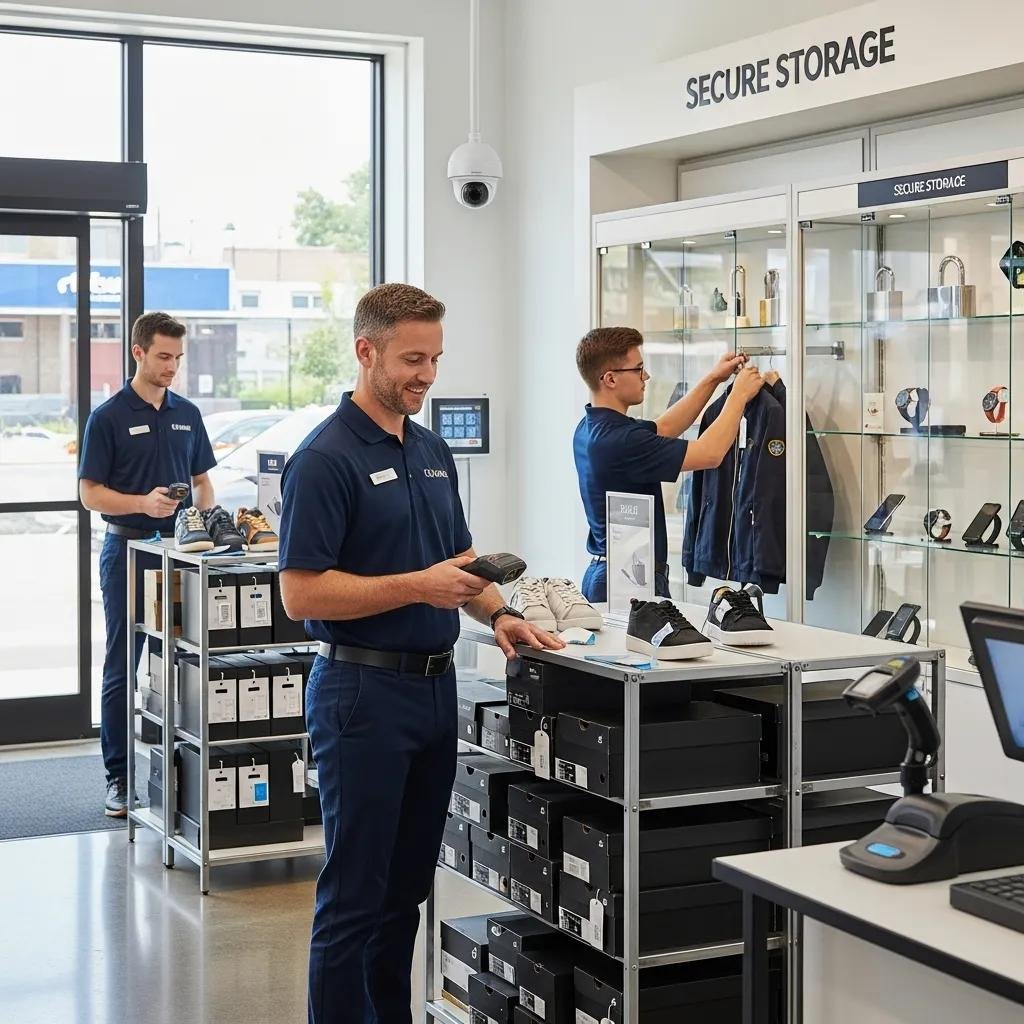
Inventory security solutions are designed to safeguard retail stock and assets from theft and damage. These solutions encompass a variety of tools and technologies that enhance security measures, ensuring that inventory remains protected throughout the supply chain. By investing in robust inventory security solutions, retailers can minimize losses and maintain operational integrity.
What Types of High-Security Locks Are Best for Retail Inventory?
High-security locks are essential for protecting retail inventory, as they provide enhanced resistance to unauthorized access. Retailers should consider locks that feature advanced mechanisms, such as pick resistance and drill resistance, to deter break-ins. Additionally, electronic locks with keyless entry systems offer convenience and improved security, allowing retailers to control access to sensitive areas. The installation of high-security locks not only protects inventory but also instills confidence in customers regarding the safety of their purchases.
How Can Access Control Systems Enhance Inventory Security?
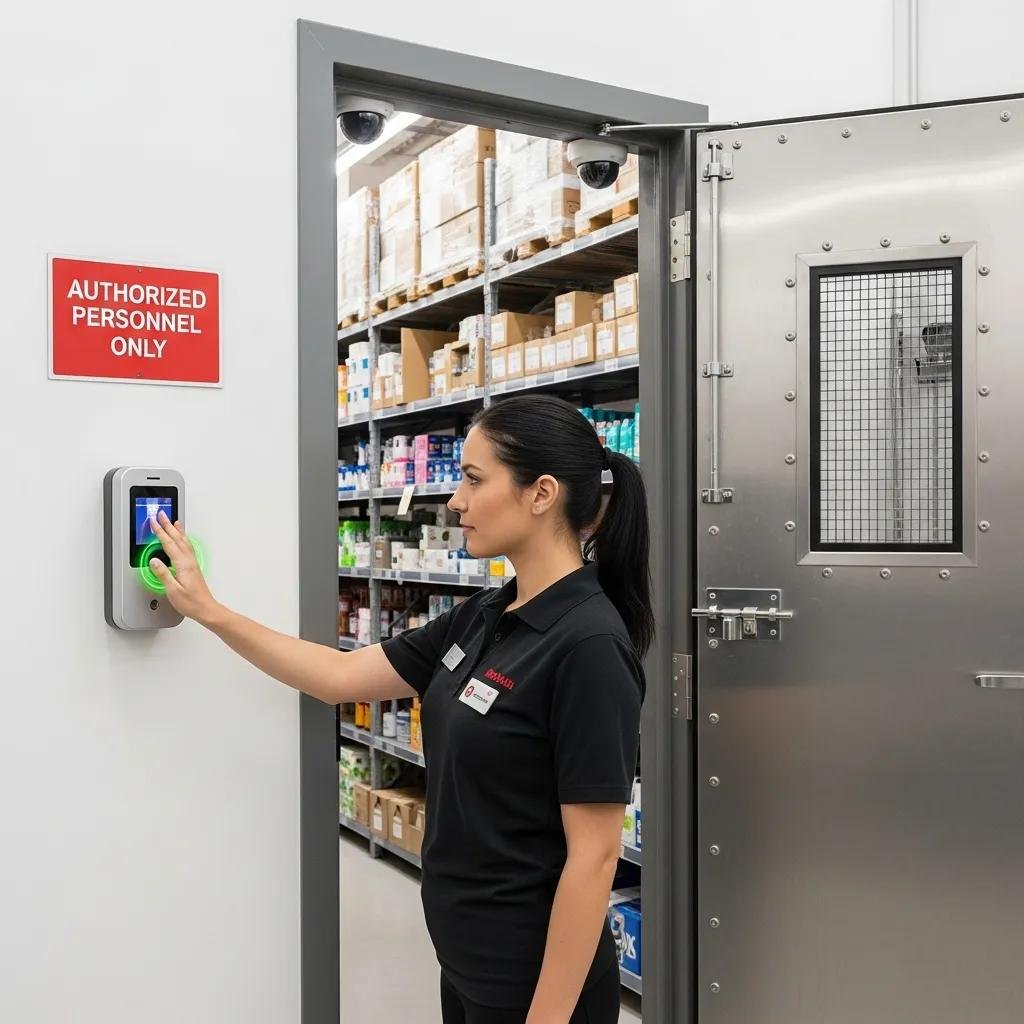
Access control systems play a critical role in enhancing inventory security by regulating who can access specific areas within a retail environment. These systems can include key card access, biometric scanners, and mobile access solutions. By implementing access control systems, retailers can restrict entry to sensitive areas, such as stockrooms and cash handling locations, reducing the risk of theft. Furthermore, these systems can provide valuable data on employee access patterns, helping to identify potential security breaches.
What Commercial Security Systems Are Essential for Retail Businesses?
Commercial security systems are vital for protecting retail businesses from various threats, including theft, vandalism, and fraud. A comprehensive security system should integrate multiple components to create a robust defense against potential risks. Retailers must evaluate their specific needs to determine which security systems are most effective for their operations.
How Do Master Key Systems Improve Retail Store Security?
Master key systems offer a streamlined approach to managing access within retail stores. By allowing designated personnel to access multiple areas with a single key, these systems enhance operational efficiency while maintaining security. Retailers can implement tiered access levels, ensuring that only authorized employees can enter sensitive areas. This approach not only simplifies key management but also reduces the likelihood of unauthorized access, thereby improving overall security.
What Role Do Emergency Locksmith Services Play in Retail Security?
Emergency locksmith services are crucial for maintaining retail security, especially in situations involving lockouts or security breaches. Retailers can benefit from having a reliable locksmith on call to address urgent security needs, such as rekeying locks after a theft or installing new locks following a break-in. These services ensure that retailers can quickly restore security and minimize potential losses, reinforcing the importance of having a proactive security plan in place.
How Can Retailers Integrate Locksmith Services with Broader Security Measures?
Integrating locksmith services with broader security measures creates a comprehensive approach to retail security. By combining physical locks with advanced technologies, such as CCTV and alarm systems, retailers can enhance their overall security posture. This holistic approach not only protects inventory but also fosters a safer shopping environment for customers.
What Are the Benefits of Combining Physical Locks with CCTV and Alarm Systems?
Combining physical locks with CCTV and alarm systems provides a multi-layered security strategy that effectively deters theft. Physical locks prevent unauthorized access, while CCTV systems monitor activity and provide evidence in case of incidents. Alarm systems add an additional layer of protection by alerting authorities in real-time during security breaches. This integrated approach ensures that retailers can respond swiftly to potential threats, minimizing losses and enhancing overall security.
How Does Professional Locksmith Installation Support Retail Loss Prevention?
Professional locksmith installation is essential for ensuring that security measures are implemented correctly and effectively. Retailers should prioritize hiring licensed locksmiths who understand the intricacies of security systems and can recommend the best solutions for their specific needs. Proper installation of locks and security systems not only enhances security but also reduces the risk of malfunctions that could compromise safety.
What Are Effective Shrinkage Prevention Methods for Retail Stores?
Shrinkage prevention methods are critical for maintaining profitability in retail stores. By implementing a combination of strategies, retailers can effectively reduce losses and improve operational efficiency. These methods encompass employee training, technology integration, and regular audits to ensure that inventory is accurately tracked and managed.
How Does Employee Access Management Reduce Internal Theft?
Employee access management is a key component of shrinkage prevention, as it helps control who can access sensitive areas within a retail environment. By implementing strict access protocols, retailers can minimize the risk of internal theft and ensure that employees are held accountable for their actions. Regularly reviewing access permissions and conducting audits can further enhance security and deter potential theft.
What Are Best Practices for Retail Store Rekeying and Lock Changes?
Rekeying and changing locks are essential best practices for maintaining security in retail stores. Retailers should consider rekeying locks whenever there is a change in personnel or after a security breach to prevent unauthorized access. Additionally, regular assessments of lock integrity and functionality can help identify when locks need to be replaced. By staying proactive with lock management, retailers can significantly reduce the risk of theft and ensure a secure environment.
How Can Retailers Choose the Right Security Solutions for Their Business Needs?
Choosing the right security solutions is crucial for retailers looking to protect their assets effectively. Retailers must assess their specific needs, budget, and the potential risks they face to determine the most suitable security measures. By carefully evaluating options, retailers can implement a security strategy that aligns with their operational goals.
What Factors Should Retailers Consider When Selecting Commercial Security Systems?
When selecting commercial security systems, retailers should consider several factors, including the size of their store, the types of products they sell, and their budget. Additionally, retailers should evaluate the effectiveness of different security measures, such as surveillance systems, access control, and alarm systems. By understanding their unique security needs, retailers can make informed decisions that enhance their overall security posture.
How Does Transparent Pricing and Licensed Locksmith Services Benefit Retail Security?
Transparent pricing and licensed locksmith services are essential for ensuring that retailers receive high-quality security solutions. By working with licensed professionals, retailers can trust that their security systems are installed correctly and comply with industry standards. Transparent pricing also allows retailers to budget effectively for their security needs, ensuring that they can invest in the best solutions without unexpected costs.
| Security Solution | Description | Benefits |
|---|---|---|
| High-Security Locks | Advanced locking mechanisms that resist picking and drilling | Enhanced protection against unauthorized access |
| Access Control Systems | Systems that regulate entry to sensitive areas | Improved security and accountability |
| CCTV Surveillance | Video monitoring systems that capture real-time activity | Deterrence of theft and evidence collection |
This table highlights the essential security solutions that retailers can implement to enhance their overall security posture. By investing in these solutions, retailers can significantly reduce the risk of theft and protect their assets.
Retailers must adopt a comprehensive approach to loss prevention and inventory security. By integrating physical security measures, operational methods, and locksmith services, retailers can create a robust security framework that effectively mitigates risks and protects their investments. Implementing these strategies not only enhances security but also fosters a safer shopping environment for customers, ultimately contributing to the long-term success of retail businesses.