
Table of Contents
ToggleSmart Lock Compatibility: Finding the Right Fit for Your Door in Charlotte, NC
Smart locks are revolutionizing home and business security by offering advanced features that enhance convenience and safety. This article will guide you through the essential aspects of smart lock compatibility, ensuring you find the right fit for your door. Understanding the nuances of smart lock installation is crucial, as it directly impacts the security and functionality of your property. Many homeowners and business owners face challenges when selecting compatible smart locks, leading to potential security vulnerabilities and installation issues. This guide will cover the importance of compatibility, how door measurements affect installation, the best materials for smart locks, and the significance of professional installation services. Additionally, we will explore how connectivity and smart home integration play a role in smart lock compatibility.
Why Does Smart Lock Compatibility Matter for Your Home or Business?
Smart lock compatibility is vital for ensuring that your security system functions effectively and securely. When a smart lock is compatible with your door, it enhances both security and convenience, allowing for seamless integration with your existing security systems. Incompatible locks can lead to installation challenges and security vulnerabilities, which can compromise your safety.
What Are the Security and Functionality Benefits of Compatible Smart Locks?
Compatible smart locks offer several security and functionality benefits:
- Enhanced Security Features: These locks often include advanced encryption and authentication methods, making unauthorized access significantly more difficult.
- User Convenience: Many smart locks allow for keyless entry, remote access, and integration with smart home systems, providing users with greater flexibility and control.
- Integration with Smart Home Systems: Compatible locks can easily connect with other smart devices, enhancing overall home automation and security.
These benefits highlight the importance of selecting a smart lock that fits your door specifications and security needs.
How Can Incompatible Locks Cause Installation and Security Issues?
Using incompatible locks can lead to various installation and security issues, including:
- Installation Difficulties: Incompatible locks may not fit properly, leading to complex installation processes that can require additional modifications.
- Security Risks: If a lock does not fit securely, it may be easier for intruders to bypass, compromising your safety.
- Cost Implications of Fixing Issues: The need for adjustments or replacements can lead to unexpected costs, making it essential to choose the right lock from the start.
Understanding these potential pitfalls emphasizes the need for careful consideration when selecting a smart lock.
How Do Door Thickness and Backset Affect Smart Lock Compatibility?
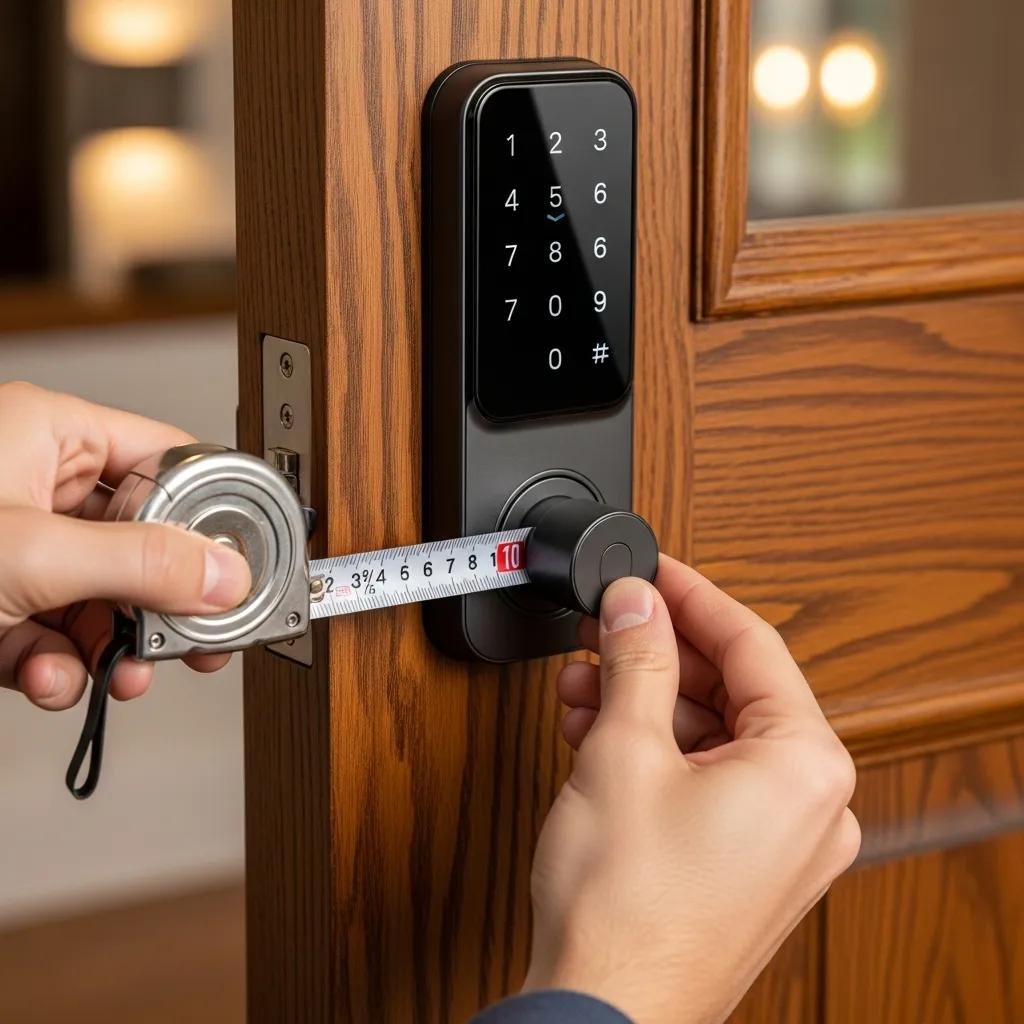
Door thickness and backset are critical factors that influence smart lock compatibility. Ensuring that your door meets the specifications required for a smart lock is essential for proper installation and functionality.
What Are Standard Door Thickness Requirements for Smart Locks?
Most smart locks are designed to fit standard door thicknesses, typically ranging from 1 3/8 inches (1.375 inches) to 2 inches. If your door falls outside this range, you may need to look for specialized locks or consider modifications.
How to Measure Backset for a Perfect Smart Lock Fit?
Backset refers to the distance from the edge of the door to the center of the lock. To measure backset accurately:
- Use a Tape Measure: Measure from the edge of the door to the center of the existing lock hole.
- Common Measurements: Standard backset measurements are usually 2 3/8 inches (2.375 inches) or 2 3/4 inches (2.75 inches).
- Adjust as Necessary: If your door has a non-standard backset, you may need to choose a lock that accommodates this measurement.
Accurate measurements are crucial for ensuring that your smart lock fits properly and functions as intended.
Which Door Materials and Existing Lock Types Work Best with Smart Locks?
The material of your door and the type of existing lock can significantly impact the compatibility of smart locks. Understanding these factors can help you make an informed decision.
How Does Door Material Influence Smart Lock Installation?
Different door materials, such as wood, metal, or fiberglass, can affect the installation process. For instance:
- Wooden Doors: Generally easy to install smart locks, but ensure the door is solid and not hollow.
- Metal Doors: May require specific tools for installation, and compatibility with certain locks can vary.
- Fiberglass Doors: Often compatible, but check for specific installation requirements.
Choosing the right lock for your door material ensures a secure and effective installation.
What Are the Compatibility Considerations for Deadbolts, Mortise, and Cylindrical Locks?
When considering smart locks, it’s essential to understand how existing lock types affect compatibility:
- Deadbolts: Many smart locks can replace traditional deadbolts, providing enhanced security features.
- Mortise Locks: These locks may require specific smart lock models designed for mortise installations.
- Cylindrical Locks: Standard cylindrical locks are often compatible with a wide range of smart locks, making them a popular choice.
Understanding these compatibility considerations can help you select the best smart lock for your existing door hardware.
What Are the Retrofit and Full Replacement Smart Lock Options?
When upgrading to a smart lock, you have two primary options: retrofit and full replacement. Each has its advantages and considerations.
When Should You Choose a Retrofit Smart Lock?
Retrofit smart locks are ideal for those looking to upgrade their existing locks without replacing the entire hardware. They are suitable in situations where:
- Existing Hardware is Functional: If your current lock is in good condition, retrofitting can save time and money.
- Cost-Effectiveness: Retrofit options are often less expensive than full replacements.
- Quick Installation: These locks can typically be installed quickly, minimizing disruption.
What Are the Advantages of Full Replacement Smart Locks?
Full replacement smart locks offer several benefits, including:
- Enhanced Security: New locks often come with the latest security features and technology.
- Compatibility Assurance: Replacing the entire lock ensures that all components are designed to work together seamlessly.
- Long-Term Investment: While more expensive upfront, full replacements can provide better long-term value and security.
Choosing between retrofit and full replacement depends on your specific needs and existing hardware condition.
Why Is Professional Smart Lock Installation Important in Charlotte and Lake Norman?
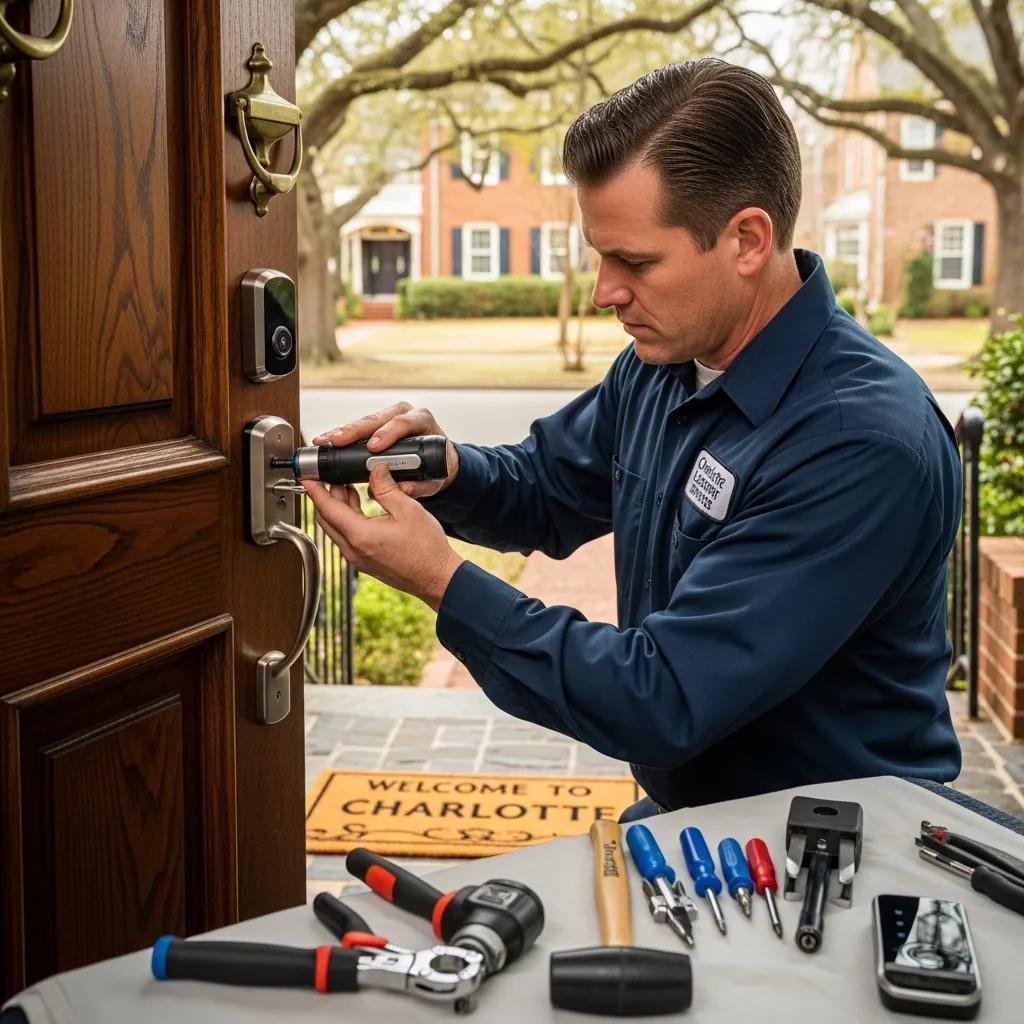
Professional installation of smart locks is crucial for ensuring security and proper functionality. In Charlotte and the Lake Norman area, local expertise can make a significant difference.
How Does Professional Installation Ensure Security and Proper Functionality?
Professional locksmiths have the experience and tools necessary to install smart locks correctly. This expertise ensures:
- Security Benefits: Proper installation minimizes vulnerabilities that could be exploited by intruders.
- Correct Functionality: Professionals can troubleshoot any issues during installation, ensuring the lock operates as intended.
- Local Knowledge: Understanding local building codes and regulations can help ensure compliance and safety.
What Services Does My Locksmith Express Provide for Smart Lock Compatibility?
My Locksmith Express offers a range of services to assist with smart lock compatibility, including:
- Installation Services: Expert installation of various smart lock models tailored to your door specifications.
- Consultation: Guidance on selecting the right smart lock based on your security needs and door characteristics.
- Emergency Services: 24/7 support for lockouts and urgent installation needs, ensuring you are never left vulnerable.
These services highlight the importance of professional assistance in achieving optimal smart lock compatibility.
How Do Connectivity and Smart Home Integration Impact Smart Lock Compatibility?
Connectivity is a crucial aspect of smart lock functionality, influencing how well these devices integrate with your existing smart home systems.
Which Connectivity Protocols Are Common in Smart Locks?
Smart locks typically use several connectivity protocols, including:
- Wi-Fi: Allows for remote access and control via smartphone apps.
- Bluetooth: Enables proximity-based unlocking and integration with mobile devices.
- Z-Wave/Zigbee: Common in smart home systems, these protocols facilitate communication between devices.
Understanding these protocols can help you choose a smart lock that fits seamlessly into your smart home ecosystem.
How Do Smart Locks Integrate with Alexa, Google Home, and Apple HomeKit?
Smart locks can enhance your smart home experience by integrating with popular platforms like:
- Alexa: Voice control for locking and unlocking doors.
- Google Home: Integration for managing access through voice commands.
- Apple HomeKit: Seamless control through Apple devices, enhancing user convenience.
These integrations not only improve functionality but also enhance the overall user experience, making smart locks a valuable addition to any smart home.