
Table of Contents
ToggleKey IoT Security Risks for Smart Homes: Protect Devices & DataIoT Security Challenges in the Smart Home Ecosystem: Protecting Connected Devices and Data Privacy
The rise of smart home technology has transformed the way we live, offering convenience and efficiency through interconnected devices. However, this convenience comes with significant security challenges that can jeopardize personal data and home safety. In this article, we will explore the various IoT security challenges faced in the smart home ecosystem, focusing on the vulnerabilities of connected devices and the implications for data privacy. Homeowners will learn about common security risks, how to identify and mitigate vulnerabilities, and the role of professional locksmith services in enhancing smart home security. Additionally, we will discuss effective strategies for securing smart home devices, particularly in the Charlotte and Lake Norman areas.
What Are the Most Common Security Risks in Smart Home Devices?
Smart home devices, while convenient, often come with inherent security risks that can be exploited by cybercriminals. These risks include weak passwords, outdated firmware, insecure network configurations, and lack of encryption. Understanding these vulnerabilities is crucial for homeowners to protect their personal data and maintain the integrity of their smart home systems.
How Do IoT Device Vulnerabilities Affect Smart Locks and Home Access?
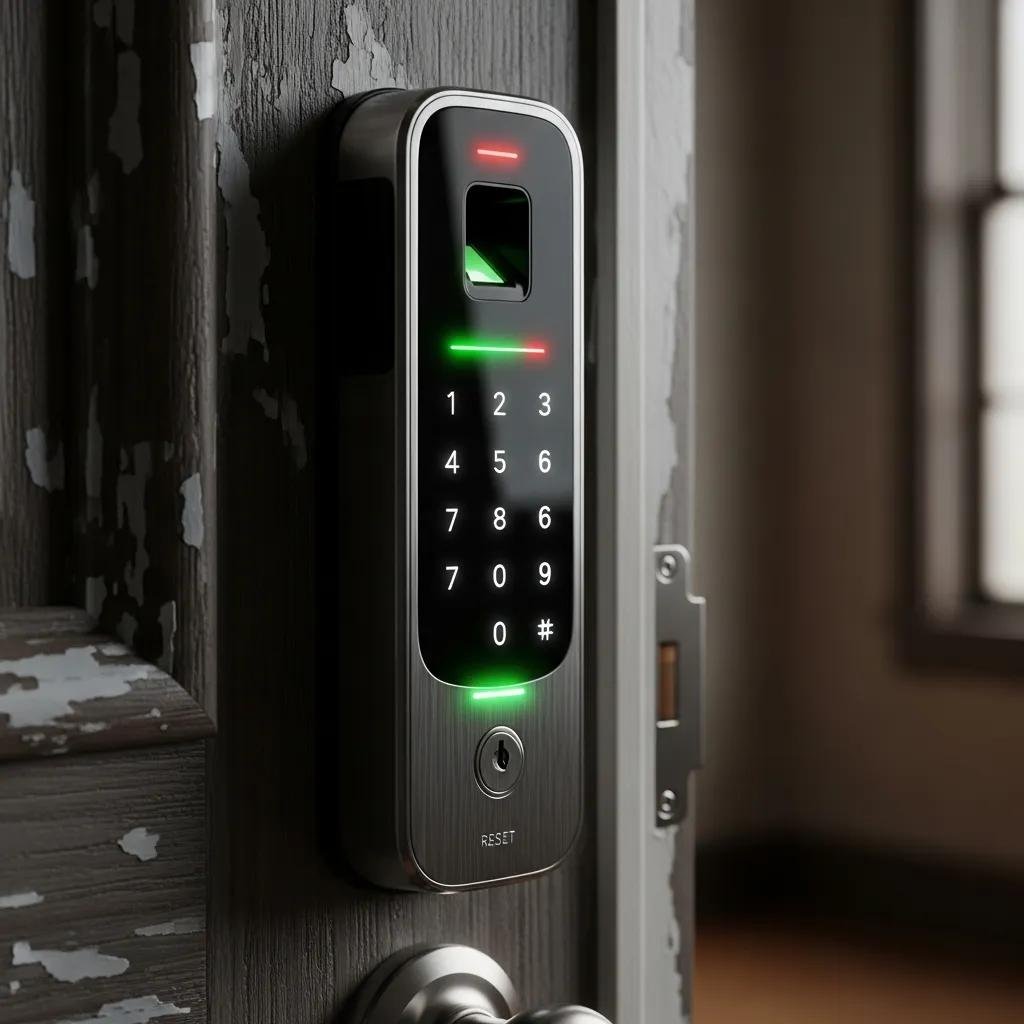
IoT device vulnerabilities can significantly impact smart locks and home access. For instance, if a smart lock is connected to an insecure network, hackers can gain unauthorized access, potentially allowing them to enter the home without detection. Specific vulnerabilities, such as those related to firmware flaws, weak encryption, or insecure communication protocols, can lead to compromised security systems, putting homeowners at risk.
What Cyber Threats Target Connected Smart Home Devices?
Connected smart home devices are often targeted by various cyber threats, including malware, phishing attacks, and denial-of-service attacks. Malware can infiltrate devices, allowing attackers to control them remotely, while phishing attacks can trick users into revealing sensitive information. Denial-of-service attacks can render devices inoperable, disrupting the functionality of smart home systems. Awareness of these threats is essential for homeowners to implement effective security measures.
How Can Homeowners Identify and Mitigate Smart Lock Vulnerabilities?
Identifying and mitigating vulnerabilities in smart locks is vital for maintaining home security. Homeowners should regularly assess their devices for potential weaknesses and take proactive steps to enhance security.
Why Are Weak Passwords and Default Credentials a Major Risk?
Weak passwords and default credentials pose significant risks to smart lock security. Many users fail to change default passwords, making it easy for attackers to gain access. Homeowners should create strong, unique passwords for each device and enable two-factor authentication whenever possible to enhance security.
How Do Firmware Flaws and Lack of Updates Compromise Security?
Firmware flaws and a lack of updates can severely compromise the security of smart locks. Manufacturers often release updates to patch vulnerabilities, but if homeowners do not regularly update their devices, they remain exposed to potential threats. It is essential for users to stay informed about firmware updates and apply them promptly to protect their devices.
What Role Do Locksmith Services Play in Enhancing Smart Home Security?
Professional locksmith services play a crucial role in enhancing smart home security. They offer expertise in installing and maintaining smart locks, ensuring that these devices function correctly and securely.
How Does Professional Smart Lock Installation Improve Security?
Professional installation of smart locks can significantly improve security by ensuring that devices are set up correctly and securely. Locksmiths are trained to identify potential vulnerabilities during installation and can recommend the best practices for securing smart locks. This expertise helps prevent common mistakes that can compromise security, such as improper installation or configuration.
What Are Best Practices for Smart Lock Maintenance and Emergency Repairs?
Regular maintenance and timely repairs are essential for the longevity and security of smart locks. Homeowners should follow best practices, such as checking for firmware updates, inspecting locks for signs of wear, and addressing any issues promptly. In emergencies, having a reliable locksmith service, like My Locksmith Express, available 24/7 can provide peace of mind and quick solutions to security breaches.
How Can Data Privacy Be Protected in the Smart Home Ecosystem?

Data privacy is a significant concern in the smart home ecosystem, as connected devices often collect and transmit personal information. Homeowners must take steps to safeguard their data from unauthorized access.
What Are the Risks of Personal Data Exposure from IoT Devices?
The risks of personal data exposure from IoT devices include unauthorized access to sensitive information, identity theft, and privacy violations. Many smart devices collect data on user behavior, which can be exploited if not adequately secured. Homeowners should be aware of the data their devices collect and take measures to protect it.
How Can Secure Network Configuration Safeguard Smart Home Data?
Secure network configuration is vital for safeguarding smart home data. Homeowners should implement strong encryption protocols (such as WPA3), change default network settings, and use a separate network (guest network or VLAN) for smart devices to minimize risks. Regularly monitoring network activity can also help detect any suspicious behavior.
What Are Effective Strategies to Secure Smart Home Devices in Charlotte and Lake Norman?
Residents in Charlotte and Lake Norman can adopt specific strategies to enhance the security of their smart home devices. These strategies include selecting reputable brands, utilizing professional services, and staying informed about the latest security trends.
Which Smart Lock Brands and Technologies Offer Higher Security?
When choosing smart locks, homeowners should consider brands known for their security features, such as advanced encryption (AES-256), biometric access, and robust customer support. Brands that prioritize regular firmware updates and have a strong reputation for security can provide added peace of mind. Examples of reputable brands include August, Schlage, Yale, and Kwikset.
How Can Local Locksmith Expertise Address Physical and Digital Security Gaps?
Local locksmiths, like My Locksmith Express, offer valuable expertise in addressing both physical and digital security gaps. They can provide tailored solutions for smart home security, including the installation of high-security locks and the implementation of best practices for device management. Their knowledge of local security trends can help homeowners stay ahead of potential threats.
How to Troubleshoot and Respond to Smart Lock Security Breaches?
In the event of a security breach, homeowners must know how to troubleshoot and respond effectively. Recognizing the signs of a breach and taking immediate action can help mitigate damage.
What Are Signs of Smart Lock Hacking or Physical Tampering?
Signs of smart lock hacking or physical tampering may include unusual behavior, such as locks malfunctioning, unexpected lock/unlock events, or unauthorized access attempts. Homeowners should be vigilant and report any suspicious activity to their locksmith service immediately.
When Should Homeowners Seek Professional Locksmith Intervention?
Homeowners should seek professional locksmith intervention when they suspect a security breach or experience issues with their smart locks. Timely intervention can prevent further damage and ensure that security measures are restored quickly. My Locksmith Express offers 24/7 emergency services to assist homeowners in such situations.
| Security Risk | Description | Mitigation Strategy |
|---|---|---|
| Weak Passwords | Default or easily guessable passwords can be exploited. | Use strong, unique passwords and enable two-factor authentication. |
| Firmware Flaws | Outdated firmware can leave devices vulnerable. | Regularly check for and apply firmware updates. |
| Insecure Networks | Unsecured networks can allow unauthorized access. | Use strong encryption and separate networks for smart devices. |
This table highlights common security risks associated with smart home devices and effective strategies for mitigating them. By implementing these strategies, homeowners can significantly enhance their smart home security.
Smart home technology offers numerous benefits, but it also presents unique security challenges. By understanding the risks and implementing effective strategies, homeowners can protect their connected devices and personal data. Professional locksmith services, such as those provided by My Locksmith Express, play a vital role in enhancing smart home security through expert installation, maintenance, and emergency support.