
Table of Contents
ToggleInternational Lock Standards & Certifications Explained: Understanding Lock Certification Standards and Security Ratings
In an increasingly security-conscious world, understanding international lock standards and certifications is crucial for ensuring safety in both residential and commercial settings. This article will delve into the various lock standards, their significance, and how they impact security ratings. Readers will learn about the major international standards, the testing and rating processes for locks, and the importance of certified locks in enhancing security. Additionally, we will explore how My Locksmith Express aligns with these standards to provide reliable locksmith services in the Charlotte and Lake Norman regions. By the end of this article, you will have a comprehensive understanding of lock certifications and their role in safeguarding your property.
What Are the Major International Lock Standards and Their Roles?
International lock standards are essential benchmarks that define the security and performance of locking mechanisms. These standards ensure that locks meet specific safety and reliability criteria, providing consumers with confidence in their security choices. The most recognized standards include ANSI (American National Standards Institute), UL (Underwriters Laboratories), and EN (European Norms). Each of these standards plays a vital role in establishing the quality and effectiveness of locks globally.
How Do ANSI, UL, and EN Standards Define Lock Security?
ANSI standards focus on the performance and durability of locks, categorizing them into grades based on their resistance to forced entry and operational durability. UL certifications assess the safety and reliability of locks through rigorous testing, including fire resistance and forced entry resistance, ensuring they meet specific safety criteria. EN standards, prevalent in Europe, provide a comprehensive framework for evaluating lock security, including resistance to manipulation, environmental factors, and durability. Together, these standards create a robust framework for lock security, ensuring that consumers can trust the products they purchase.
What Are the Key Differences Between US and International Lock Standards?
The primary differences between US and international lock standards lie in their testing methods and certification processes. US standards, such as ANSI and UL, emphasize performance under specific conditions, while international standards like EN focus on broader criteria, including environmental resilience and security against various attack methods. Additionally, the certification processes can vary, with US standards often focusing on commercial and residential applications, while EN standards cover a wider range of lock types and security levels. Understanding these differences is crucial for consumers and businesses when selecting locks that meet their security needs.
How Are Locks Tested and Rated for Security Performance?
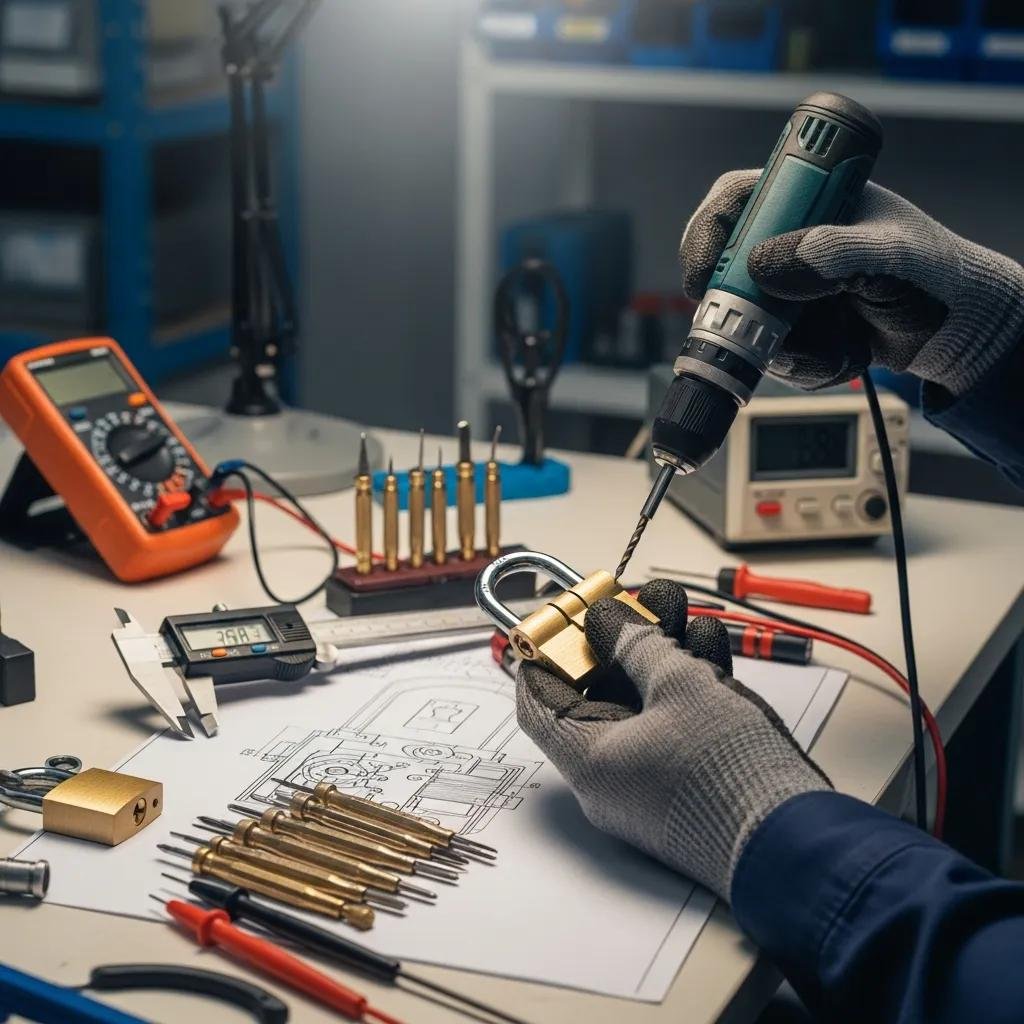
Locks undergo rigorous testing and rating processes to ensure they meet established security standards. These evaluations assess various factors, including durability, resistance to forced entry, and overall performance under stress. The results of these tests determine the lock’s grade and certification, providing consumers with essential information about its reliability.
What Are Lock Grades and How Are They Determined?
Lock grades are classifications that indicate the level of security a lock provides. Typically, locks are graded from Grade 1 to Grade 3, with Grade 1 offering the highest level of security. The grading is determined through standardized testing that evaluates the lock’s resistance to physical attacks, durability, and functionality over time. Understanding these grades helps consumers make informed decisions about the locks they choose for their homes and businesses.
What Testing Procedures Ensure Lock Certification Compliance?
Testing procedures for lock certification involve a series of assessments designed to evaluate a lock’s performance under various conditions. Common methods include testing for resistance to picking, drilling, forced entry, and operational durability. Compliance with these testing procedures is crucial for obtaining certification from recognized standards organizations, ensuring that the lock meets the necessary safety and security requirements.
Why Are Certified Locks Important for Residential and Commercial Security?
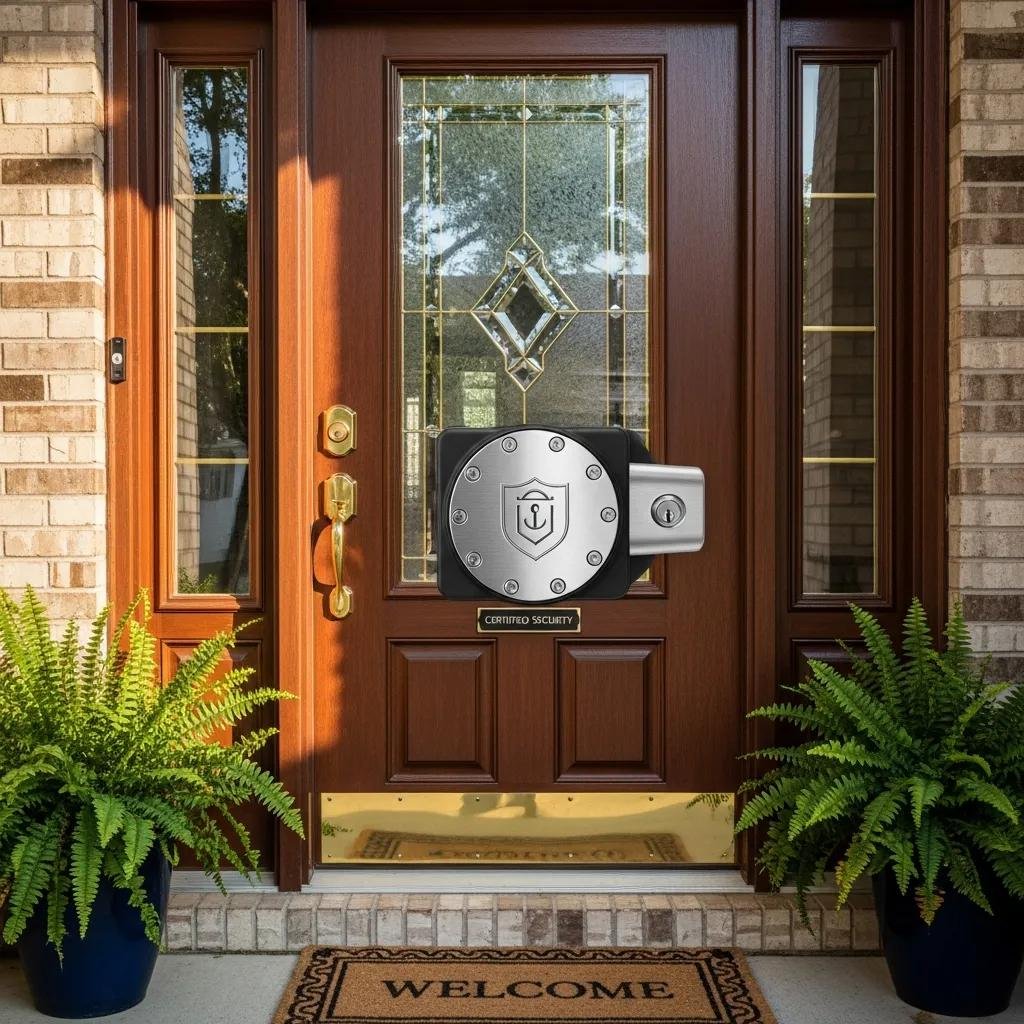
Certified locks play a vital role in enhancing security for both residential and commercial properties. They provide assurance that the locking mechanisms have undergone rigorous testing and meet established safety standards. This certification not only protects property but also instills confidence in consumers regarding their security choices.
How Do Certified Locks Enhance Home Security?
Certified locks significantly enhance home security by providing reliable protection against unauthorized access. Homeowners can rest assured that their locks have been tested for durability and resistance to common break-in methods. Additionally, certified locks often come with warranties and guarantees, further ensuring their effectiveness in safeguarding homes.
What Are the Benefits of Certified Locks in Commercial and Automotive Applications?
In commercial settings, certified locks are essential for protecting sensitive information and assets. They provide a higher level of security, reducing the risk of theft and unauthorized access. In automotive applications, certified locks enhance vehicle security, deterring potential thieves and ensuring the safety of the vehicle and its contents. The investment in certified locks is a proactive measure that pays off in the long run.
How Does My Locksmith Express Meet International Lock Certification Standards?
My Locksmith Express is committed to providing locksmith services that align with international lock certification standards. Our expertise in lock installation and maintenance ensures that clients receive the highest quality security solutions tailored to their needs.
What Certified Locksmith Services Are Offered in Charlotte and Lake Norman?
In the Charlotte and Lake Norman regions, My Locksmith Express offers a range of certified locksmith services, including residential lock installations, commercial security assessments, and automotive lock solutions. Our team is trained to work with various lock types, ensuring compliance with ANSI, UL, and EN standards where applicable. This commitment to quality guarantees that our clients receive reliable and effective security solutions.
How Does Rapid Response and Expertise Support Certified Lock Installations?
Our rapid response capabilities ensure that clients receive timely assistance for their locksmith needs. Whether it’s an emergency lockout situation or a scheduled installation, our experienced technicians are equipped to handle various scenarios efficiently. This expertise not only supports certified lock installations but also enhances customer satisfaction, as we prioritize the security and peace of mind of our clients.
What Are Common Questions About Lock Certifications and Standards?
Understanding lock certifications and standards can be complex, leading to several common questions among consumers. Addressing these inquiries is essential for making informed decisions about security products.
What Does UL Lock Certification Mean for Consumers?
UL lock certification signifies that a lock has undergone rigorous testing to meet specific safety and performance standards, including fire resistance and forced entry resistance. For consumers, this certification provides assurance that the lock is reliable and effective in protecting their property. It is a mark of quality that consumers can trust when selecting locks for their homes or businesses.
How Can Customers Choose the Right Certified Lock for Their Needs?
When choosing a certified lock, customers should consider several factors, including the level of security required, the type of property, and specific vulnerabilities. It is essential to assess the lock’s grade, understand its features, and ensure it meets the necessary certification standards. Consulting with a certified locksmith can also provide valuable insights into selecting the most suitable lock for individual needs.