Table of Contents
ToggleStep-by-Step Door Closer Installation for Commercial & Residential UseHow to Install a Door Closer for Commercial & Residential Use: Complete Guide for Effective Installation and Adjustment
Installing a door closer is essential for ensuring that doors close securely and efficiently, whether in a commercial or residential setting. This comprehensive guide will walk you through the various types of door closers, the installation process, and maintenance tips to keep your door closer functioning optimally. Understanding how to install a door closer not only enhances security but also improves energy efficiency by preventing drafts. Throughout this article, you will learn about the different types of door closers available, step-by-step installation instructions, and how to adjust and maintain them for long-lasting performance. We will also discuss compliance and safety requirements, as well as the costs and benefits associated with professional installation.
What Are the Different Types of Door Closers for Commercial and Residential Use?
Door closers come in various types, each designed for specific applications in commercial and residential settings. Understanding these types can help you choose the right one for your needs.
Which Door Closer Types Are Best for Commercial Buildings?
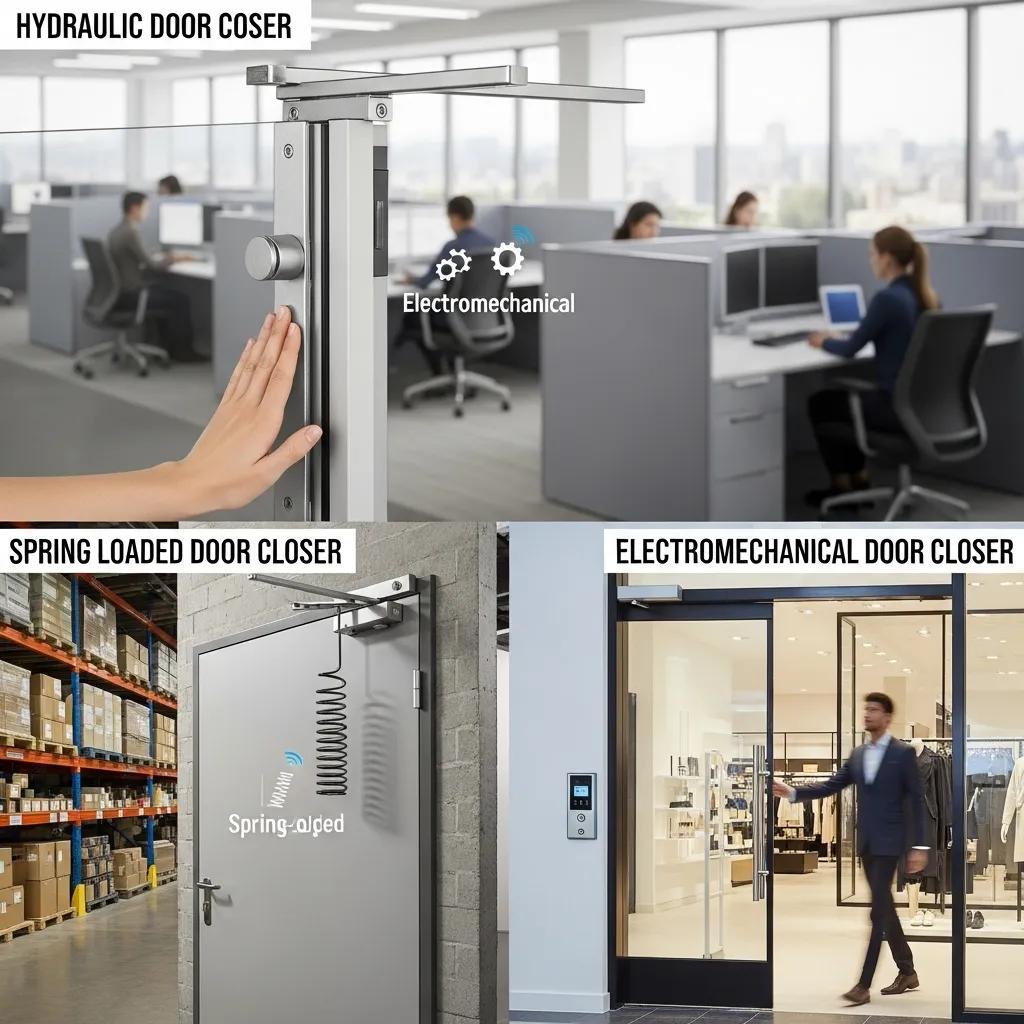
Commercial buildings often require heavy-duty door closers that can withstand high traffic and meet specific safety standards. The best options include:
- Hydraulic Door Closers: These are ideal for heavy doors and provide smooth operation with adjustable closing speeds.
- Spring-Loaded Door Closers: Suitable for lighter doors, these are cost-effective and easy to install.
- Electromechanical Door Closers: These offer automatic closing features and are often used in high-security areas.
These types ensure that doors close securely, enhancing safety and energy efficiency in commercial environments.
What Residential Door Closer Options Are Available?
For residential use, door closers are available in various styles that blend functionality with aesthetics. Common options include:
- Standard Door Closers: These are simple and effective for everyday use, providing reliable closure.
- Decorative Door Closers: Available in various finishes, these add a touch of style to your home while maintaining functionality.
- Automatic Door Closers: These are convenient for homes with moderate to high traffic, allowing for hands-free operation.
Choosing the right residential door closer can enhance both the security and appearance of your home.
How to Professionally Install a Commercial Door Closer Step-by-Step
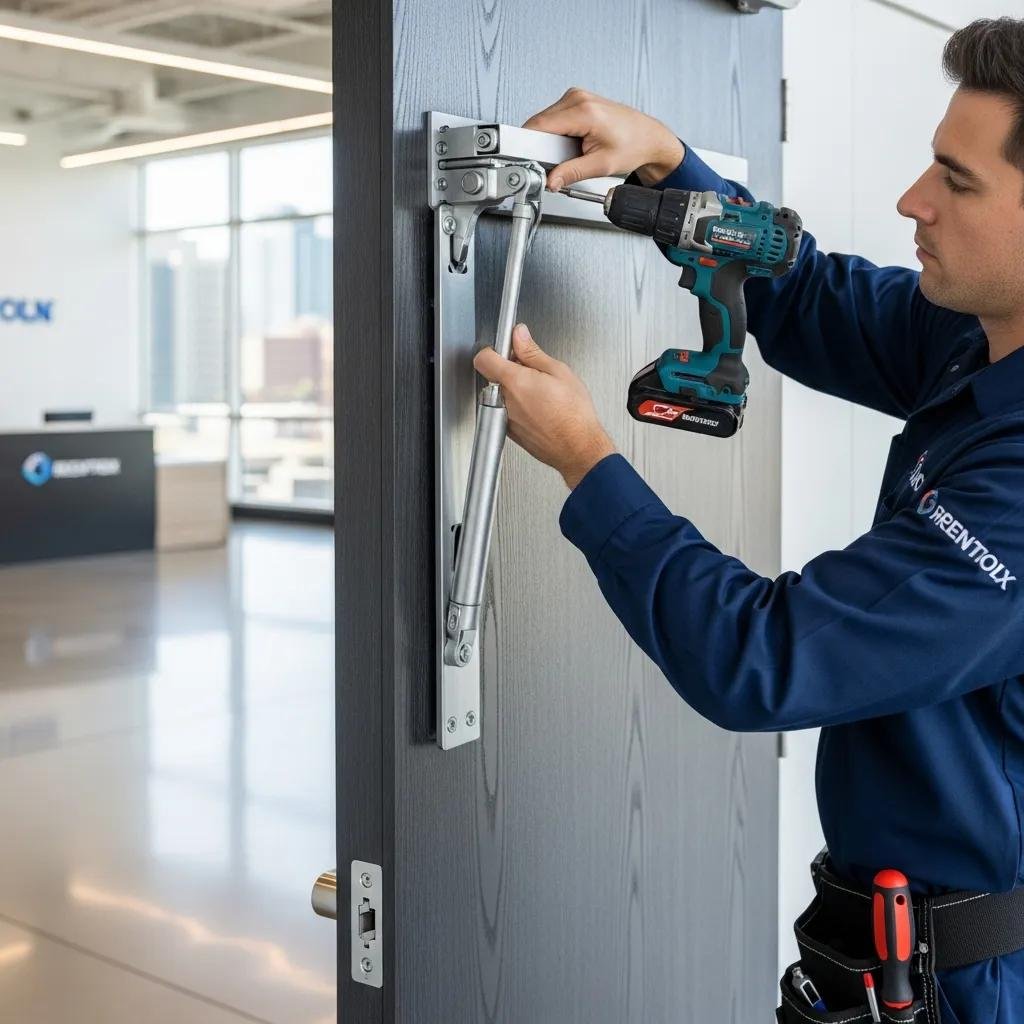
Installing a commercial door closer requires careful planning and execution to ensure proper functionality. Follow these steps for a successful installation.
What Tools and Materials Are Needed for Commercial Door Closer Installation?
Before starting the installation, gather the following tools and materials:
- Tools: Drill, screwdriver, measuring tape, level, and a wrench.
- Materials: Door closer kit, mounting brackets, screws, and safety goggles.
Having the right tools and materials on hand will streamline the installation process and ensure safety.
What Is the Standard Installation Process for Commercial Door Closers?
The standard installation process for a commercial door closer involves several key steps:
- Preparation: Measure the door height and mark the installation points for the closer.
- Mounting: Attach the mounting brackets to the door and frame using screws.
- Adjusting: Set the closing speed and latch speed according to the manufacturer’s instructions.
- Testing: Open and close the door several times to ensure proper operation.
Following these steps will help you achieve a professional installation that meets safety standards.
What Is the Step-by-Step Guide to Residential Door Closer Installation?
Installing a residential door closer can be a straightforward DIY project if you follow the right steps.
How to Prepare and Measure for Residential Door Closer Installation?
Preparation is crucial for a successful installation. Here’s how to measure and prepare:
- Measure the Door Height: Ensure the closer is installed at the correct height for optimal performance.
- Positioning: Determine the best position for the closer based on door swing and frame alignment.
- Mark Drill Points: Use a pencil to mark where the screws will go, ensuring they are level.
Accurate measurements will lead to a smoother installation process.
What Are the DIY Installation Steps for Residential Door Closers?
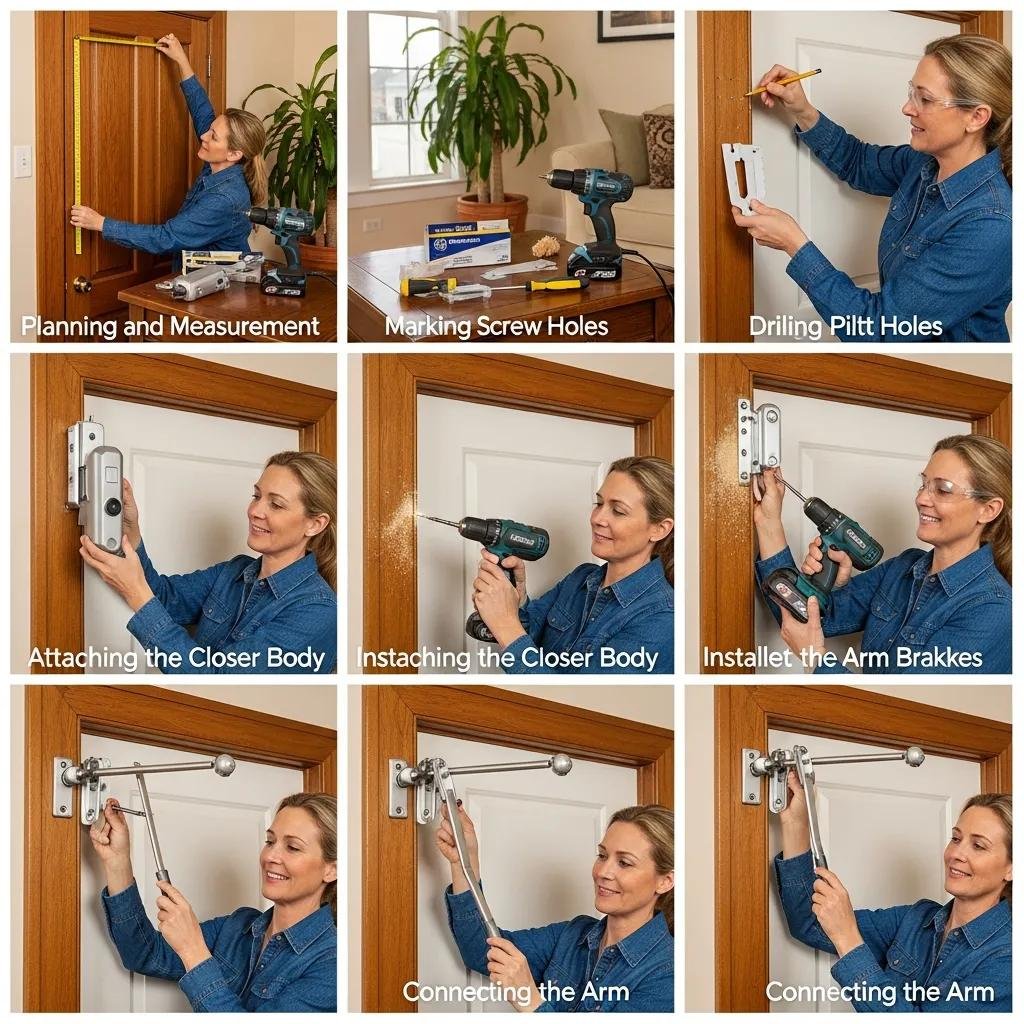
Follow these DIY steps for installing a residential door closer:
- Attach the Closer: Secure the closer to the door using the provided screws.
- Install the Arm: Connect the arm to the closer and the door frame, ensuring it is aligned properly.
- Adjust Settings: Fine-tune the closing speed and latch speed as needed.
- Test the Door: Open and close the door to check for smooth operation.
By following these steps, you can successfully install a door closer in your home.
How to Adjust and Maintain Your Door Closer for Optimal Performance
Regular maintenance and adjustments are essential for keeping your door closer functioning effectively.
How Do You Adjust Sweep, Latch, and Backcheck Speeds on a Door Closer?
Adjusting the speeds on your door closer can enhance its performance. Here’s how to do it:
- Sweep Speed: This controls how fast the door closes. Adjust the screw on the closer to increase or decrease the speed.
- Latch Speed: This determines how quickly the door latches shut. Similar to sweep speed, adjust the corresponding screw.
- Backcheck: This feature prevents the door from swinging too far open. Adjust the backcheck screw to set the desired limit.
Regular adjustments will ensure that your door closer operates smoothly and efficiently.
What Are Common Door Closer Problems and How to Troubleshoot Them?
Common issues with door closers can often be resolved with simple troubleshooting:
- Door Slams Shut: This may indicate that the closing speed is set too fast. Adjust the sweep speed screw.
- Door Doesn’t Close Fully: Check for obstructions and adjust the latch speed if necessary.
- Noise During Operation: Lubricate the closer to reduce friction and noise.
By addressing these common problems, you can maintain the functionality of your door closer.
What Are the Compliance and Safety Requirements for Door Closers?
Understanding compliance and safety requirements is crucial for proper installation and operation of door closers.
How Do ADA Guidelines Affect Door Closer Installation and Adjustment?
The Americans with Disabilities Act (ADA) sets specific guidelines for door closers to ensure accessibility:
- Maximum Opening Force: The force required to open the door should not exceed 5 pounds for interior doors.
- Closing Speed: Doors must close at a speed that allows individuals with disabilities to pass through safely, typically taking at least 5 seconds to move from fully open to 3 inches from the latch.
- Height Requirements: Controls for door closers should be installed within accessible reach, generally between 34 and 48 inches above the floor.
Adhering to these guidelines ensures that your door closer is compliant and accessible.
What Fire Safety Standards Must Fire-Rated Door Closers Meet?
Fire-rated door closers must meet specific safety standards to ensure they function correctly in emergencies:
- UL Certification: Fire-rated closers should be UL listed or equivalent to ensure they meet safety standards.
- Self-Closing Mechanism: These closers must automatically close to prevent the spread of fire.
- Durability: They should withstand high temperatures without failing, typically tested for 90 or 180 minutes depending on the rating.
Ensuring compliance with fire safety standards is essential for protecting lives and property.
How Much Does Door Closer Installation Cost and What Are the Benefits?
Understanding the costs associated with door closer installation can help you make informed decisions.
What Factors Influence the Cost of Commercial and Residential Door Closer Installation?
Several factors can affect the installation cost of door closers:
- Type of Closer: Hydraulic closers tend to be more expensive than spring-loaded options.
- Installation Complexity: More complex installations may require professional assistance, increasing costs.
- Location: Installation in high-traffic or fire-rated areas may incur additional costs due to safety requirements.
By considering these factors, you can better estimate the overall cost of installation.
What Are the Security and Energy Efficiency Benefits of Professional Installation?
Professional installation of door closers offers several benefits:
- Enhanced Security: Properly installed closers ensure that doors close securely, reducing the risk of unauthorized access.
- Energy Efficiency: Well-functioning door closers prevent drafts, helping to maintain indoor temperatures and reduce energy costs.
- Compliance Assurance: Professionals ensure that installations meet all safety and compliance standards.
Investing in professional installation can lead to long-term savings and peace of mind.
| Type of Closer | Installation Cost | Benefits |
|---|---|---|
| Hydraulic | $150 – $300 | Smooth operation, adjustable speeds |
| Spring-Loaded | $100 – $200 | Cost-effective, easy to install |
| Electromechanical | $200 – $400 | Automatic closing, high security |
This table illustrates the cost and benefits associated with different types of door closers, helping you make an informed decision based on your needs.
In summary, understanding the various types of door closers, their installation processes, and maintenance requirements is essential for both commercial and residential applications. By following the guidelines outlined in this article, you can ensure that your door closer operates effectively, enhancing security and energy efficiency in your space.