
Table of Contents
ToggleHow to Choose the Perfect Home Safe: Ultimate Buying GuideHow to Choose the Right Home Safe for Your Valuables: A Complete Home Safe Buying Guide
Choosing the right home safe is crucial for protecting your valuables, whether they are important documents, jewelry, or other cherished items. This comprehensive guide will help you understand the various types of home safes available, their security ratings, and the essential features to consider when making your selection. Many homeowners struggle with the decision of which safe to purchase, often feeling overwhelmed by the options. This guide aims to simplify that process by providing clear insights into what to look for in a home safe. We will explore different types of safes, their security ratings, and key features, as well as how to choose between electronic and dial lock safes. Additionally, we will discuss the appropriate size and placement for your safe to maximize security.
What Are the Different Types of Home Security Safes?
Home security safes come in various types, each designed to meet specific needs and preferences. Understanding these types can help you make an informed decision when selecting a safe for your home.
How Do Fireproof Safes Protect Your Valuables?
Fireproof safes are designed to withstand high temperatures and protect contents from fire damage. They are constructed using materials that can endure extreme heat, often featuring insulation that slows down the transfer of heat to the interior. Fireproof safes are rated based on their ability to protect against fire for a specified duration, typically ranging from 30 minutes to several hours. This protection is crucial for safeguarding important documents and valuables during a fire incident.
What Are the Benefits of Electronic Safes Versus Dial Safes?
Electronic safes offer several advantages over traditional dial safes. They provide quick access through keypad entry, eliminating the need to remember combinations. Additionally, many electronic safes come with features such as time-delay locks and audit trails, enhancing security. However, dial safes are often considered more reliable since they do not rely on batteries or electronic components, which can fail or be vulnerable to hacking. The choice between the two depends on personal preference and the specific security needs of the user.
How to Understand Home Safe Security Ratings?
Home safe security ratings are essential for evaluating the level of protection a safe offers against burglary and fire. These ratings help consumers make informed choices based on their security needs.
What Do Fire Resistance Ratings Mean for Your Safe?
Fire resistance ratings indicate how long a safe can protect its contents from fire exposure. These ratings are determined through standardized testing, which measures the safe’s ability to withstand high temperatures and maintain an internal temperature low enough to protect contents. A safe with a higher fire resistance rating will provide better protection for your valuables during a fire. It is important to choose a safe with a rating that aligns with your needs, especially if you store critical documents or irreplaceable items.
How Are Burglary Ratings Determined?
Burglary ratings are established based on the safe’s ability to resist forced entry. Testing methods involve simulating break-in attempts using various tools and techniques, including prying, drilling, and cutting. Safes are then classified into categories based on their performance during these tests, such as UL (Underwriters Laboratories) ratings or European EN ratings. A higher burglary rating indicates a more secure safe, making it crucial to consider this factor when selecting a home safe.
Indeed, studies have shown that robust household security measures significantly enhance protection and reduce the risk of victimization.
Household Security & Burglary Prevention Devices
The aim of the program is to improve household security particularly for those properties at heightened risk of victimisation and re-victimisation. The program consisted of security assessments of properties and, based on assessments, installation of security devices for eligible program clients. Results from the evaluation reveal that the program produces positive benefits overall in terms of enhanced security, reduced risk of re-victimisation, improvement in perceived sense of personal security, and positive economic return on investment.
An evaluation of an Australia-based home Burglary prevention program, M Manning, 2022
Which Features Should You Look for in the Best Fireproof Safes?
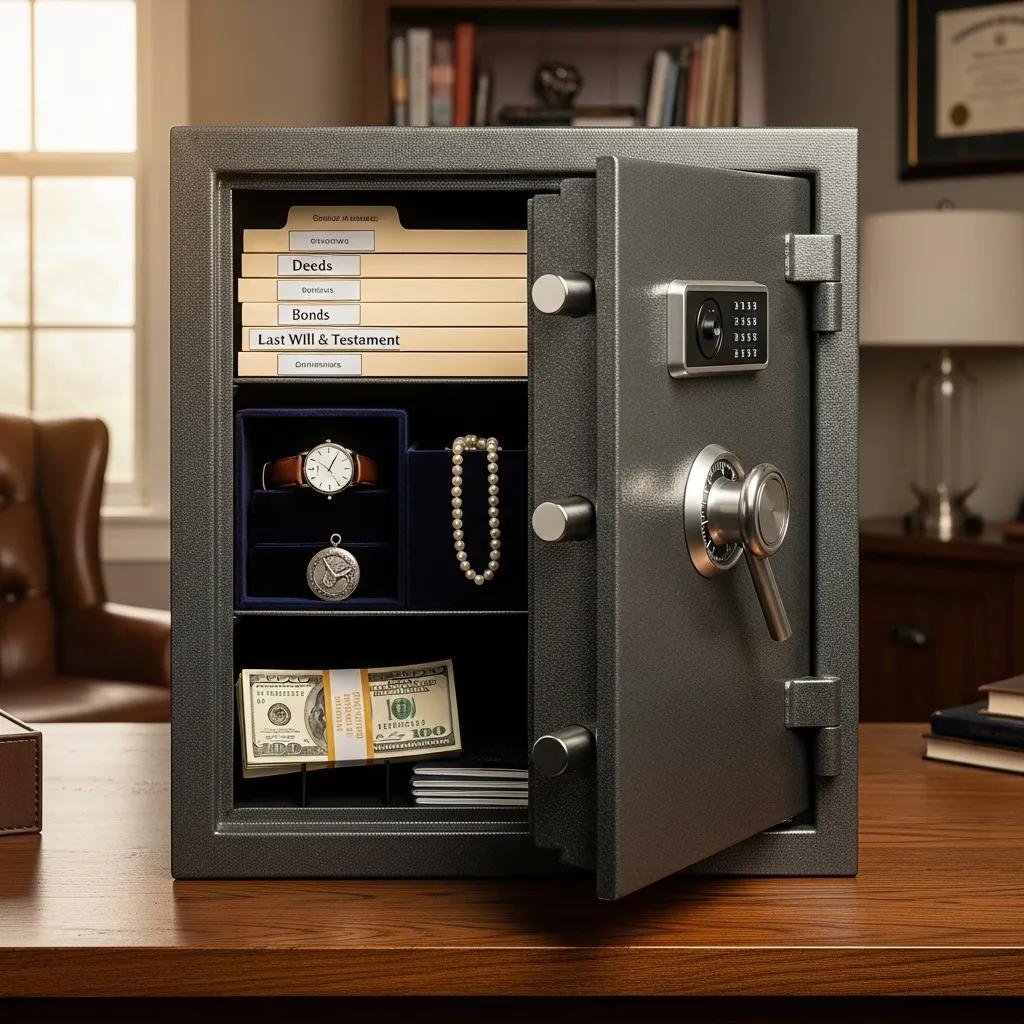
When selecting a fireproof safe, several key features should be considered to ensure optimal protection for your valuables.
| Feature | Description | Importance |
|---|---|---|
| Fire Rating | Indicates how long the safe can withstand fire and the maximum internal temperature | Essential for protecting documents and valuables |
| Lock Type | Options include electronic, dial, or biometric | Affects ease of access and security |
| Size and Capacity | Determines what can be stored inside | Must fit your specific needs |
Why Is Fireproofing Essential for Protecting Important Documents?
Fireproofing is crucial for safeguarding important documents such as birth certificates, legal papers, and financial records. In the event of a fire, these documents can be irretrievably lost if not properly protected. Fireproof safes provide a reliable solution, ensuring that your essential documents remain intact and accessible even after a fire incident.
What Additional Security Features Enhance Safe Protection?
In addition to fire resistance, several security features can enhance the protection offered by a safe. These may include:
- Biometric Locks: Allow access through fingerprint recognition for added security.
- Alarm Systems: Trigger alerts if unauthorized access is attempted.
- Reinforced Construction: Provides additional resistance against physical attacks.
These features can significantly improve the overall security of your safe, making it more difficult for intruders to access your valuables.
How to Choose Between Electronic and Dial Lock Safes?
Choosing between electronic and dial lock safes involves considering various factors, including ease of use, security, and personal preference.
What Are the Advantages and Disadvantages of Electronic Safes?
Electronic safes offer quick access and convenience, making them popular among users. However, they may require battery replacements and can be vulnerable to electronic failures or hacking attempts. On the other hand, they often come with advanced security features that enhance protection. Weighing these pros and cons is essential when deciding on the best option for your needs.
When Is a Dial Safe More Suitable for Home Use?
Dial safes are often more suitable for users who prefer a traditional approach to security. They do not rely on batteries or electronic components, making them less prone to failure. Additionally, dial safes can be more cost-effective and provide a sense of reliability. If you value simplicity and durability, a dial safe may be the right choice for your home.
What Size and Capacity Should Your Home Safe Have?
The size and capacity of your home safe are critical factors that influence its effectiveness in protecting your valuables.
How to Assess the Volume of Valuables to Secure?
To determine the appropriate size for your safe, assess the volume of items you plan to store. Consider the dimensions of your valuables, including documents, jewelry, and other items. It is advisable to choose a safe that offers some extra space to accommodate future additions.
What Are Common Safe Sizes for Residential Use?
- Small Safes: Typically under 1 cubic foot, ideal for documents and small valuables.
- Medium Safes: Between 1 and 3 cubic feet, suitable for a combination of documents and larger items.
- Large Safes: Over 3 cubic feet, designed for extensive collections or multiple items.
Where Should You Place Your Home Safe for Maximum Security?
The placement of your home safe is just as important as its features and size. Proper placement can significantly enhance its security.
What Are the Best Locations to Hide and Secure Your Safe?
- In a Closet: Concealed from view and easily accessible.
- Behind a False Wall or Panel: Provides an extra layer of security.
- In a Basement: Less visible and often more secure from casual burglars.
How Does Safe Installation Affect Its Security?
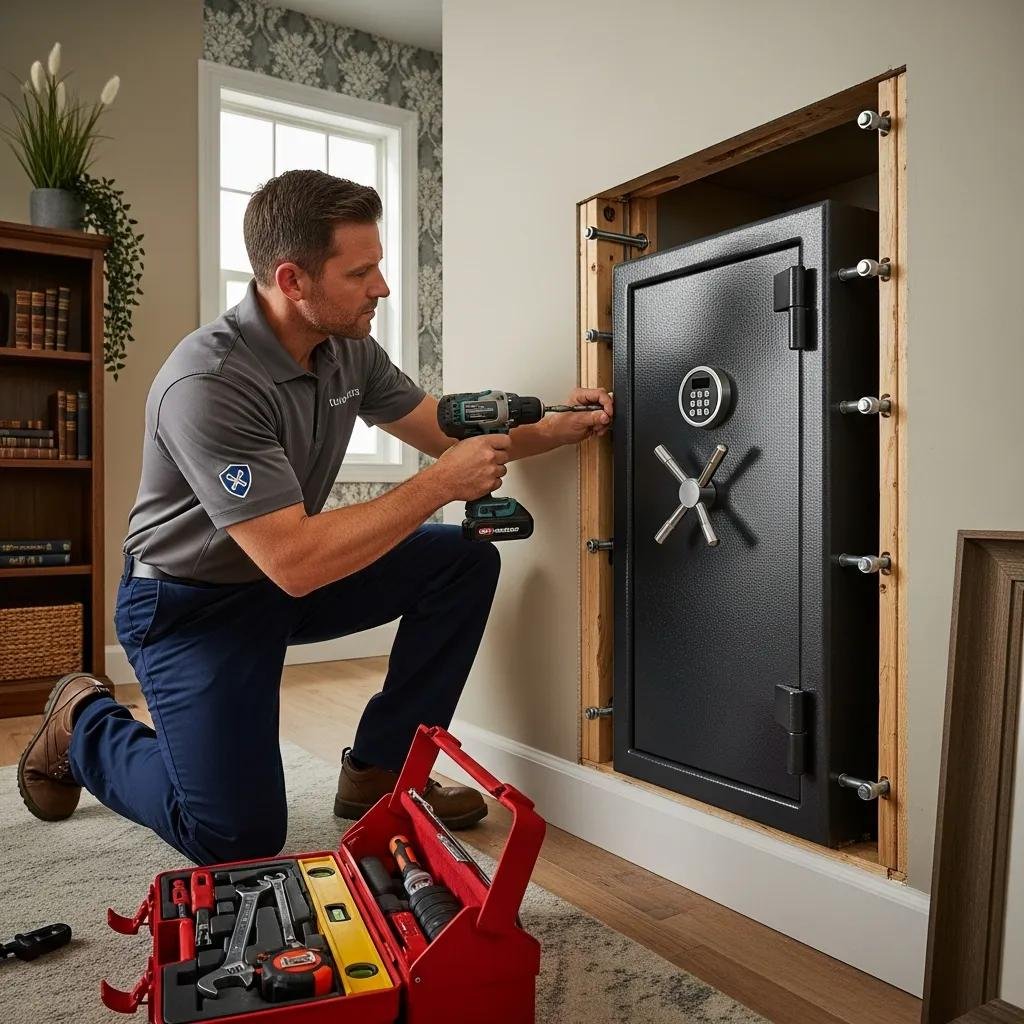
Proper installation of your safe is crucial for maximizing its security. Safes should be bolted to the floor or wall to prevent removal. Additionally, ensuring that the safe is installed in a secure location can further protect it from theft. Professional installation is advisable for larger or heavier safes to ensure they are securely anchored and to maintain warranty coverage.
The strategic placement and proper installation of security devices, including safes, are paramount to their overall effectiveness in protecting against various threats.
Optimizing Home Security Device Placement for Burglary & Fire Protection
In today’s world, where technology is advancing rapidly and security threats are becoming more complex, the need for effective home safety measures is more critical than ever. Homeowners are increasingly turning to a variety of smart devices, such as smoke detectors, carbon monoxide detectors, and security cameras, to protect their living spaces against potential dangers like burglary, fire, and environmental hazards. These devices offer essential protection, acting as both early warning systems and visual surveillance tools. However, their effectiveness largely hinges on how well they are placed within the home.
Improving Home Security Through User Centered Device Positioning, 2025