
Table of Contents
ToggleGuide to Commercial High-Security Locks for Businesses: Choosing and Implementing Effective Security Solutions
High-security locks are essential for safeguarding business assets and ensuring the safety of employees and customers. This comprehensive guide will explore the various types of high-security locks, their features, and how they can enhance your business’s security. Many businesses face challenges related to theft, unauthorized access, and inadequate security measures. High-security locks provide a robust solution to these issues, offering advanced protection against intrusions. In this article, we will cover the importance of high-security locks, the best types for commercial properties, access control systems, maintenance considerations, master key systems, and trusted brands in the industry.
What Are High-Security Locks and Why Are They Essential for Business Security?
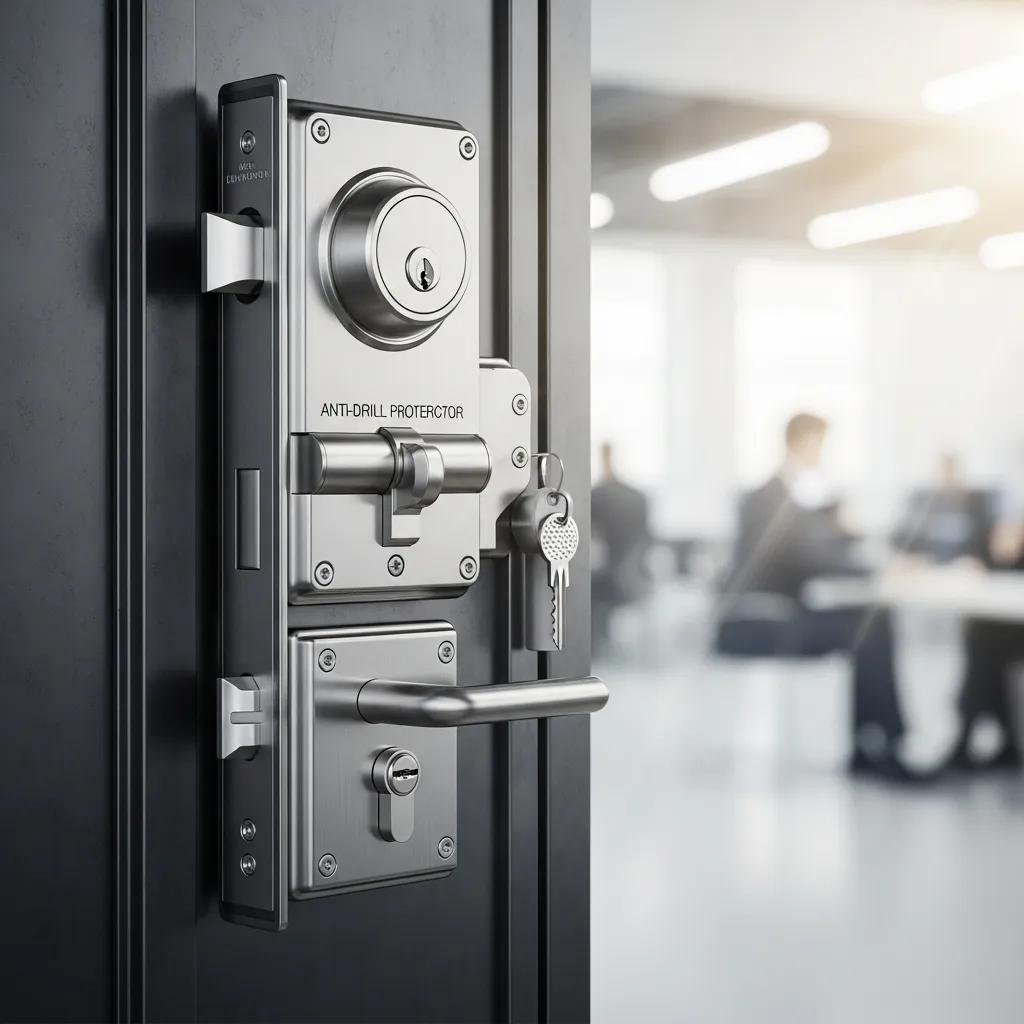
High-security locks are specialized locking mechanisms designed to provide enhanced protection against unauthorized access and tampering. These locks incorporate advanced features such as pick resistance, drill resistance, and restricted key control, making them significantly more secure than standard locks. The importance of high-security locks lies in their ability to protect valuable assets, sensitive information, and the overall safety of a business environment. By investing in high-security locks, businesses can deter potential intruders and minimize the risk of theft or vandalism.
Which Features Define High-Security Commercial Locks?
High-security commercial locks are characterized by several key features that distinguish them from standard locks:
- Drill Resistance: These locks are constructed with hardened materials that resist drilling attempts, making it difficult for intruders to gain access.
- Pick Resistance: High-security locks often utilize complex pin configurations or sidebar mechanisms that are challenging to pick, providing an additional layer of security.
- Key Control Features: Many high-security locks come with restricted keyways and patented key control systems, ensuring that only authorized personnel can duplicate keys, thus preventing unauthorized access.
These features collectively enhance the security of commercial properties, making high-security locks a vital investment for businesses.
How Do High-Security Locks Protect Business Assets?
High-security locks protect business assets through various mechanisms that deter theft and unauthorized access. For instance, the advanced locking mechanisms prevent common break-in techniques, such as lock picking and drilling. Additionally, businesses that implement high-security locks often experience lower insurance premiums, as insurers recognize the reduced risk associated with enhanced security measures. Studies and industry reports have shown that businesses with high-security locks report fewer incidents of theft, underscoring their effectiveness in safeguarding assets.
What Types of High-Security Locks Are Best for Commercial Properties?
When selecting high-security locks for commercial properties, several types are particularly effective, each offering unique benefits tailored to different security needs.
- Commercial Deadbolts: These locks provide robust security due to their solid construction and resistance to forced entry. They are ideal for external doors and high-traffic areas.
- Mortise Locks: Mortise locks are embedded into the door, providing a high level of security and durability. They are often used in commercial settings where heavy use is expected.
- Electronic Locks: These locks utilize keypads, proximity cards, or biometric scanners for access, allowing for easy management of entry points and enhanced security features.
What Are the Benefits of Commercial Deadbolts and Mortise Locks?
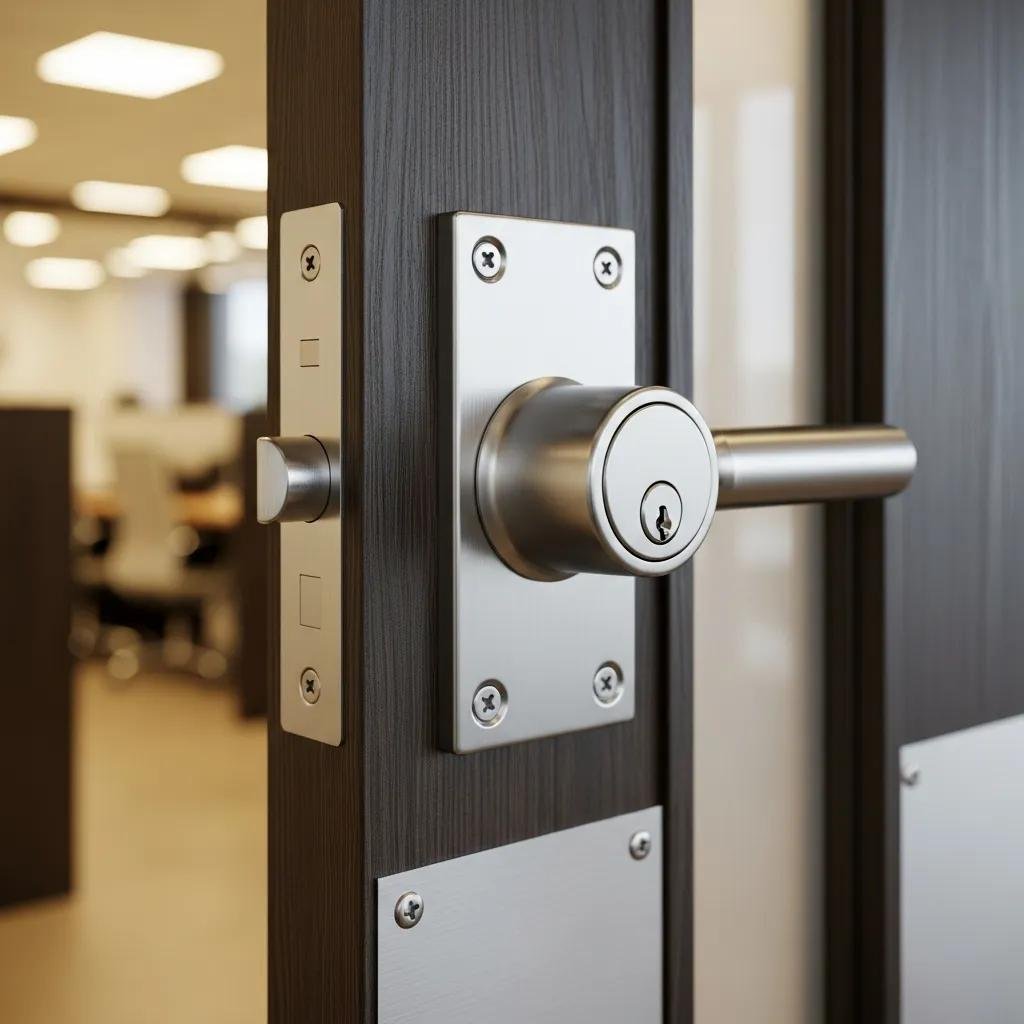
Commercial deadbolts and mortise locks offer several advantages for businesses:
- Strength and Durability: Both types of locks are designed to withstand significant force, making them difficult to break or tamper with.
- Ease of Use: Deadbolts can be easily operated with a key or thumb turn, while mortise locks provide a smooth locking mechanism that is user-friendly.
- Cost-Effectiveness: Investing in high-quality deadbolts and mortise locks can reduce long-term security costs by minimizing the risk of theft and damage.
These benefits make deadbolts and mortise locks excellent choices for businesses seeking reliable security solutions.
How Do Electronic, Biometric, and Smart Locks Enhance Business Security?
Modern locking technologies, such as electronic, biometric, and smart locks, offer enhanced security features that traditional locks cannot match. These locks provide:
- Integration with Technology: Many electronic locks can be integrated with security systems, allowing for remote monitoring and management.
- User Convenience: Biometric locks eliminate the need for keys, using fingerprints or facial recognition for access, which enhances convenience and security.
- Enhanced Security Features: Smart locks often include features such as audit trails, which track who accessed the lock and when, providing valuable data for security management.
These advanced locking solutions are increasingly popular among businesses looking to modernize their security systems.
How Can Access Control Systems Improve Business Security and Access Management?
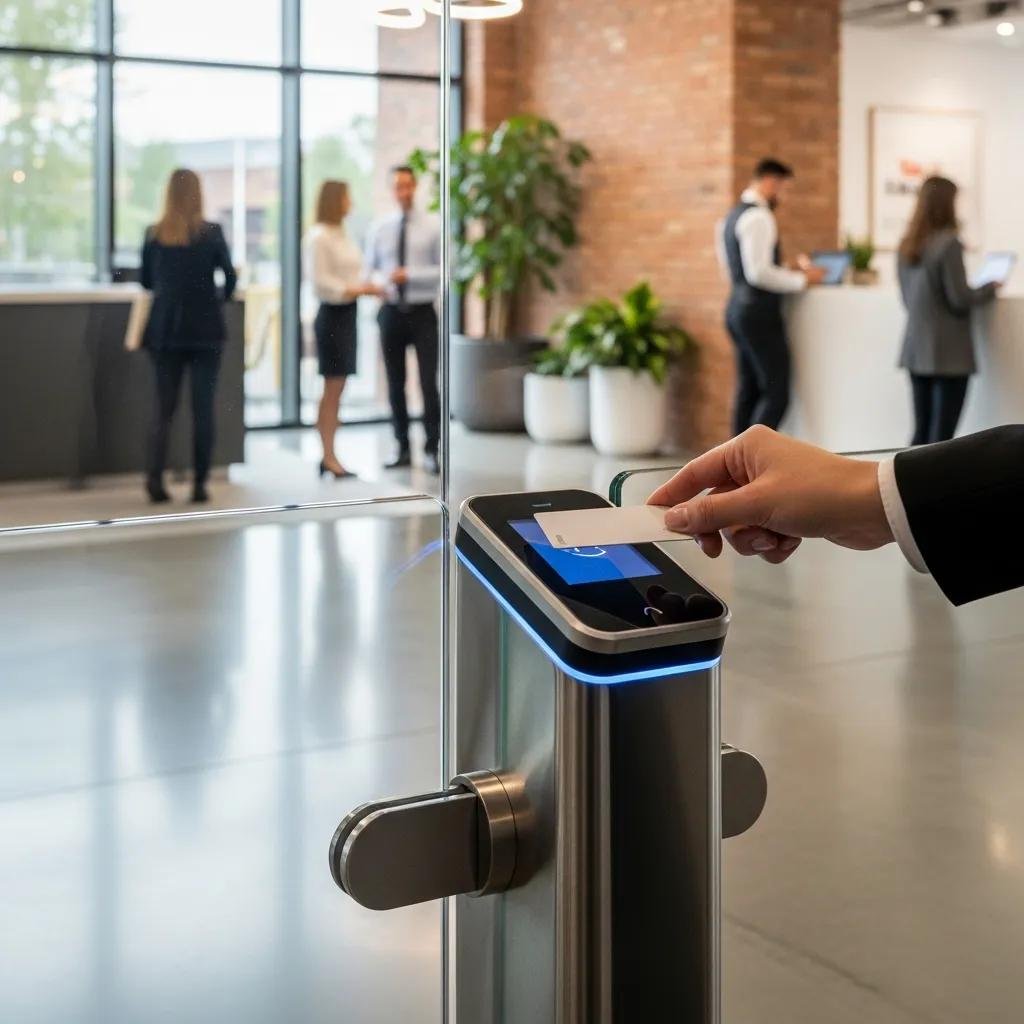
Access control systems play a crucial role in enhancing business security by managing who can enter specific areas of a property. These systems can be tailored to meet the unique needs of a business, providing flexibility and control over access points.
- Types of Access Control Systems: Common systems include key card access, mobile access, and biometric systems, each offering different levels of security and convenience.
- Benefits for Businesses: Access control systems help prevent unauthorized access, streamline employee entry, and enhance overall security management.
- Integration with High-Security Locks: When combined with high-security locks, access control systems create a comprehensive security solution that protects sensitive areas and assets.
What Are the Differences Between Key Card, Mobile, and Biometric Access Systems?
Key card, mobile, and biometric access systems each have distinct characteristics that cater to different security needs:
- Key Card Systems: These systems use cards that can be easily issued and revoked, making them ideal for businesses with fluctuating staff levels.
- Mobile Access Systems: Utilizing smartphones for entry, these systems offer convenience and flexibility, allowing users to access facilities without physical cards.
- Biometric Access Systems: These systems provide a high level of security by using unique biological traits, such as fingerprints or facial recognition, to grant access.
Each system has its pros and cons, and businesses should choose based on their specific security requirements.
How Do Audit Trails and Remote Management Features Benefit Businesses?
Audit trails and remote management features are essential components of modern access control systems. They provide businesses with:
- Tracking Access: Audit trails record who accessed specific areas and when, allowing for thorough monitoring of entry points.
- Improving Accountability: By tracking access, businesses can hold individuals accountable for their movements within the property.
- Enhancing Security Protocols: Remote management features enable security personnel to monitor and control access in real-time, improving response times to potential security breaches.
These features significantly enhance the overall security posture of a business.
When Should Businesses Consider Commercial Lock Upgrades and Maintenance?
Regular maintenance and timely upgrades of commercial locks are crucial for ensuring ongoing security. Businesses should consider lock upgrades and maintenance in the following situations:
- Signs of Wear and Tear: If locks show visible damage or difficulty in operation, it may be time for repair or replacement.
- Importance of Regular Maintenance: Routine checks can identify potential issues before they become significant problems, ensuring locks function correctly.
- When to Upgrade Locks: Businesses should upgrade locks when security needs change, such as after a security breach or when expanding operations.
What Are Signs That Your Business Needs Lock Repair or Rekeying?
Identifying signs that locks need repair or rekeying is essential for maintaining security. Key indicators include:
- Difficulty in Locking/Unlocking: If locks are hard to operate, it may indicate internal damage or wear.
- Visible Damage: Cracks, dents, or other visible signs of damage can compromise a lock’s integrity.
- Frequent Lockouts: If employees frequently experience lockouts, it may be time to consider rekeying or replacing locks.
Addressing these issues promptly can prevent security breaches and enhance overall safety.How Does Professional Installation Ensure Optimal Security?
Professional installation of high-security locks is critical for ensuring their effectiveness. Benefits of professional installation include:
- Proper Installation Techniques: Trained locksmiths understand the nuances of installing high-security locks, ensuring they function as intended.
- Long-Term Security Benefits: Properly installed locks provide better protection against tampering and unauthorized access.
- Warranty Considerations: Many high-security locks come with warranties that require professional installation to remain valid.
Investing in professional installation is a crucial step in enhancing business security.
How Do Master Key Systems and Restricted Keyways Simplify Commercial Security?
Master key systems and restricted keyways are effective tools for simplifying security management in commercial settings. These systems allow businesses to control access efficiently while maintaining high security.
- How Master Key Systems Work: A master key system allows one key to open multiple locks, providing convenience for authorized personnel while restricting access to others.
- Benefits for Businesses: This system simplifies key management, reducing the number of keys needed and enhancing security by limiting access.
- Key Control Measures: Restricted keyways prevent unauthorized duplication of keys, ensuring that only authorized personnel can access sensitive areas.
What Are the Advantages of Designing a Master Key System for Your Business?
Designing a master key system offers several advantages:
- Convenience for Staff: Employees can carry a single key that opens multiple locks, reducing the burden of managing numerous keys.
- Enhanced Security: By limiting access to specific areas, businesses can protect sensitive information and assets more effectively.
- Cost Savings: A master key system can reduce the costs associated with key duplication and lock replacements.
These advantages make master key systems an attractive option for businesses seeking efficient security solutions.
Why Are Restricted Key Systems Important for Key Control?
Restricted key systems play a vital role in maintaining key control within a business. Their importance includes:
- Preventing Unauthorized Duplication: Restricted keyways ensure that only authorized locksmiths or key holders can duplicate keys, reducing the risk of unauthorized access.
- Control Over Access: Businesses can manage who has access to specific areas, enhancing overall security.
- Legal Considerations: Implementing a restricted key system can help businesses comply with legal requirements regarding access to sensitive areas.
These systems are essential for maintaining a secure environment in commercial properties.
Which High-Security Lock Brands and Standards Should Businesses Trust?
When selecting high-security locks, businesses should consider reputable brands and industry standards that ensure quality and reliability. Trusted brands include:
- Medeco: Known for its patented key control systems and high-quality locks, Medeco is a leader in high-security solutions.
- Mul-T-Lock: This brand offers innovative locking solutions with advanced security features, making it a popular choice for businesses.
- Schlage: With a long history of producing reliable locks, Schlage provides a range of high-security options suitable for various commercial applications.
What Makes ANSI/BHMA Grade 1 Locks the Industry Standard for Commercial Security?
ANSI/BHMA Grade 1 locks are recognized as the highest standard for commercial security due to their rigorous testing and durability requirements. Key characteristics include:
- Durability Requirements: These locks must withstand significant force and wear, ensuring long-term reliability.
- Security Features: ANSI/BHMA Grade 1 locks incorporate advanced security features, such as pick resistance and drill resistance, making them difficult to breach.
- Industry Acceptance: Many insurance companies and security professionals recommend ANSI/BHMA Grade 1 locks for commercial applications, underscoring their reliability.
Businesses can trust ANSI/BHMA Grade 1 locks to provide the highest level of security for their properties.
How Do Brands Like Medeco, Mul-T-Lock, and Schlage Compare?
When comparing high-security lock brands, several factors come into play:
- Brand Reputation: Medeco is known for its innovative key control systems, while Mul-T-Lock offers a wide range of customizable options. Schlage is recognized for its reliability and extensive product line.
- Product Offerings: Each brand provides various locking solutions, including deadbolts, mortise locks, and electronic options, catering to different security needs.
- Customer Feedback: Reviews and testimonials from businesses can provide insight into the performance and reliability of each brand’s products.
By considering these factors, businesses can make informed decisions when selecting high-security locks.
| Lock Type | Features | Benefits |
|---|---|---|
| Commercial Deadbolts | Solid construction, pick resistance | High security, easy operation |
| Mortise Locks | Embedded design, durable | Robust security, long-lasting |
| Electronic Locks | Keypad/biometric access | Convenient, modern security |