
Table of Contents
ToggleCar Key Types Explained: Transponder, Smart & Remote KeysGuide to Car Key Types: Transponder, Smart, & Remote Explained for Vehicle Owners
Understanding the various types of car keys is essential for vehicle owners, as each type offers unique functionalities and security features. This guide will delve into the different car key types, including transponder, smart, and remote keys, explaining their mechanisms and benefits. Many vehicle owners face challenges with key security and access, which can lead to frustration and inconvenience. By learning about these key types, you can make informed decisions regarding your vehicle’s security and access systems. This article will cover the main types of car keys, how remote car keys work, other important key types, the importance of professional locksmith services, common issues, and a comparison of key types in terms of security and costs.
What Are the Main Types of Car Keys and Their Functions?
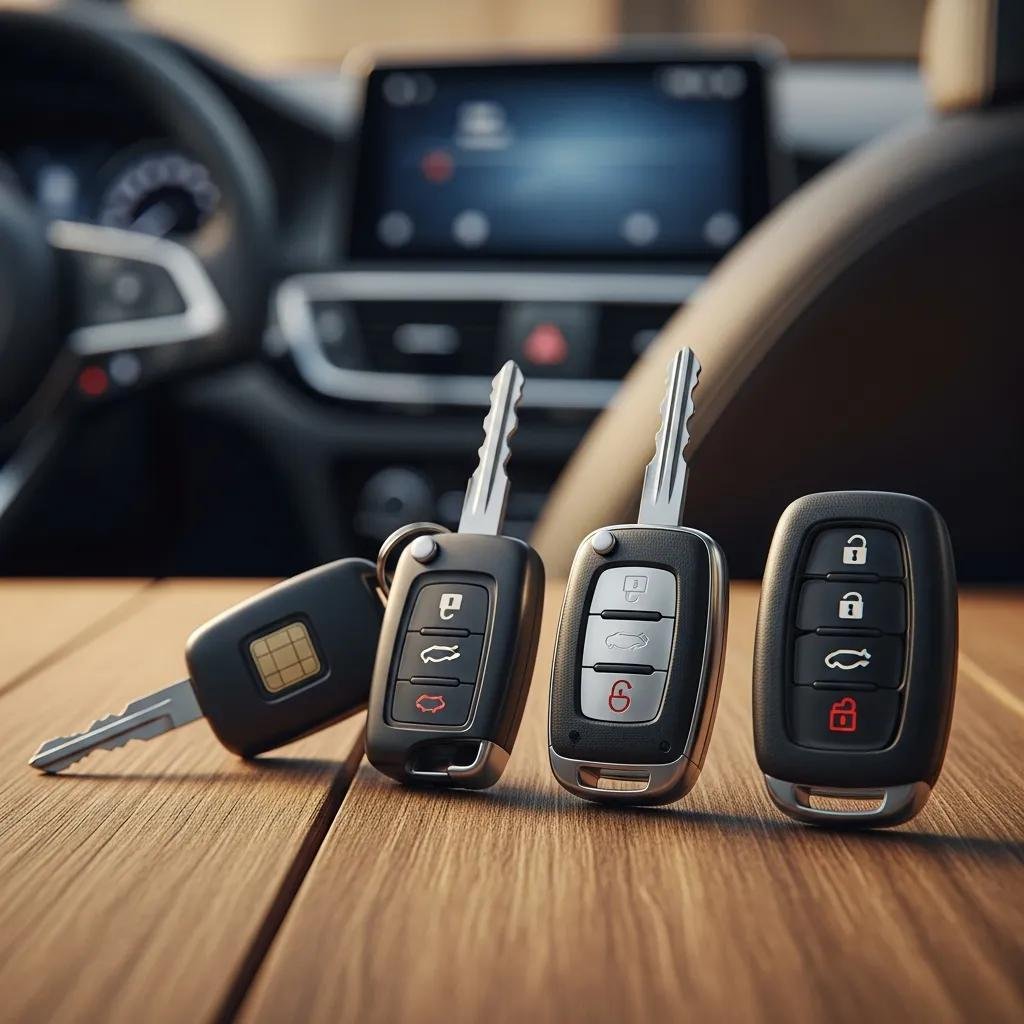
Car keys have evolved significantly over the years, with various types designed to enhance vehicle security and convenience. The main types of car keys include traditional mechanical keys, transponder keys, smart keys, and remote keys (often integrated with smart keys). Each type serves a specific function, contributing to the overall security and accessibility of vehicles. Understanding these key types is crucial for vehicle owners to ensure they are using the most effective and secure options available.
What Defines a Transponder Key and How Does It Enhance Security?
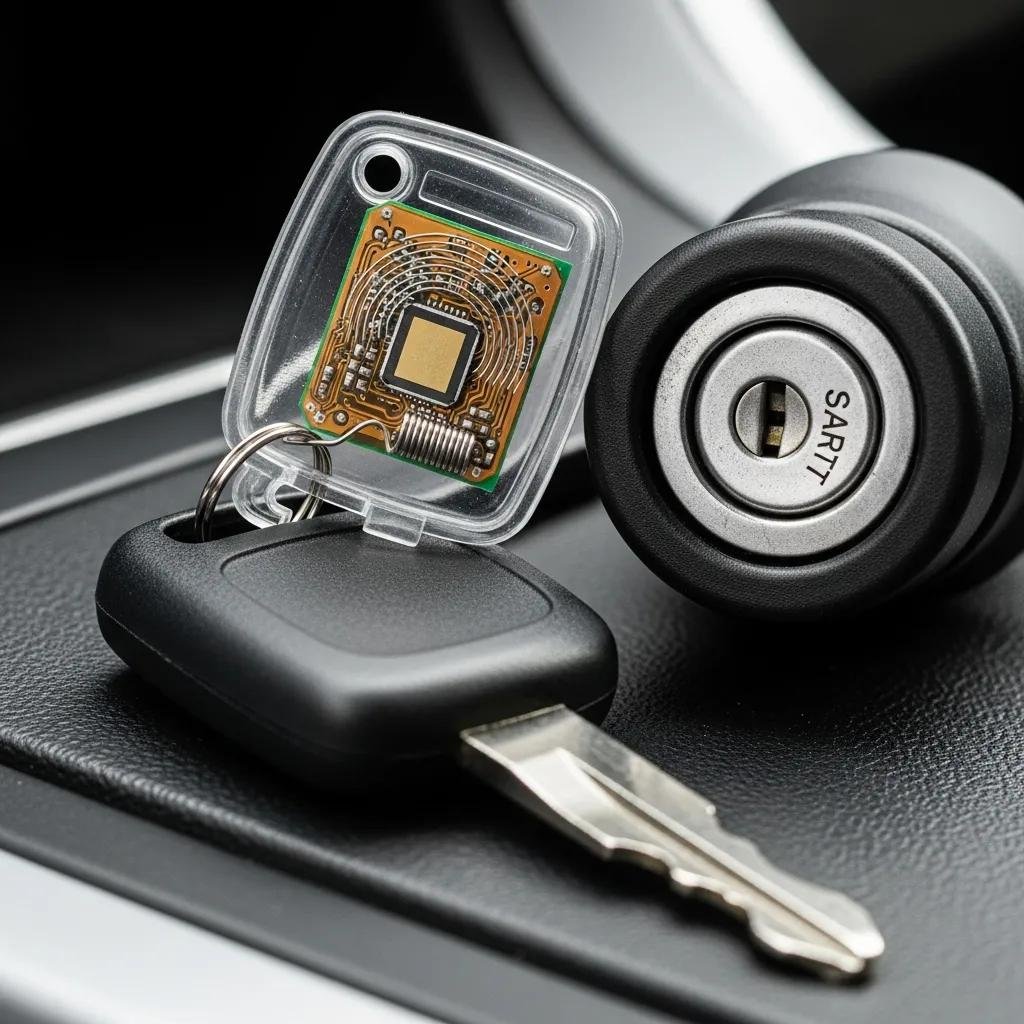
Transponder keys are equipped with a small electronic chip that communicates with the vehicle’s immobilizer system. When the key is inserted into the ignition or detected by the vehicle, the chip sends a unique code to the vehicle, allowing it to start only if the code matches the one stored in the car’s computer. This technology significantly enhances security by preventing unauthorized access, as traditional keys can be easily duplicated. The use of transponder keys has become standard in many vehicles since the mid-1990s, providing an added layer of protection against theft.
How Do Smart Keys Enable Keyless Entry and Push-Button Start?
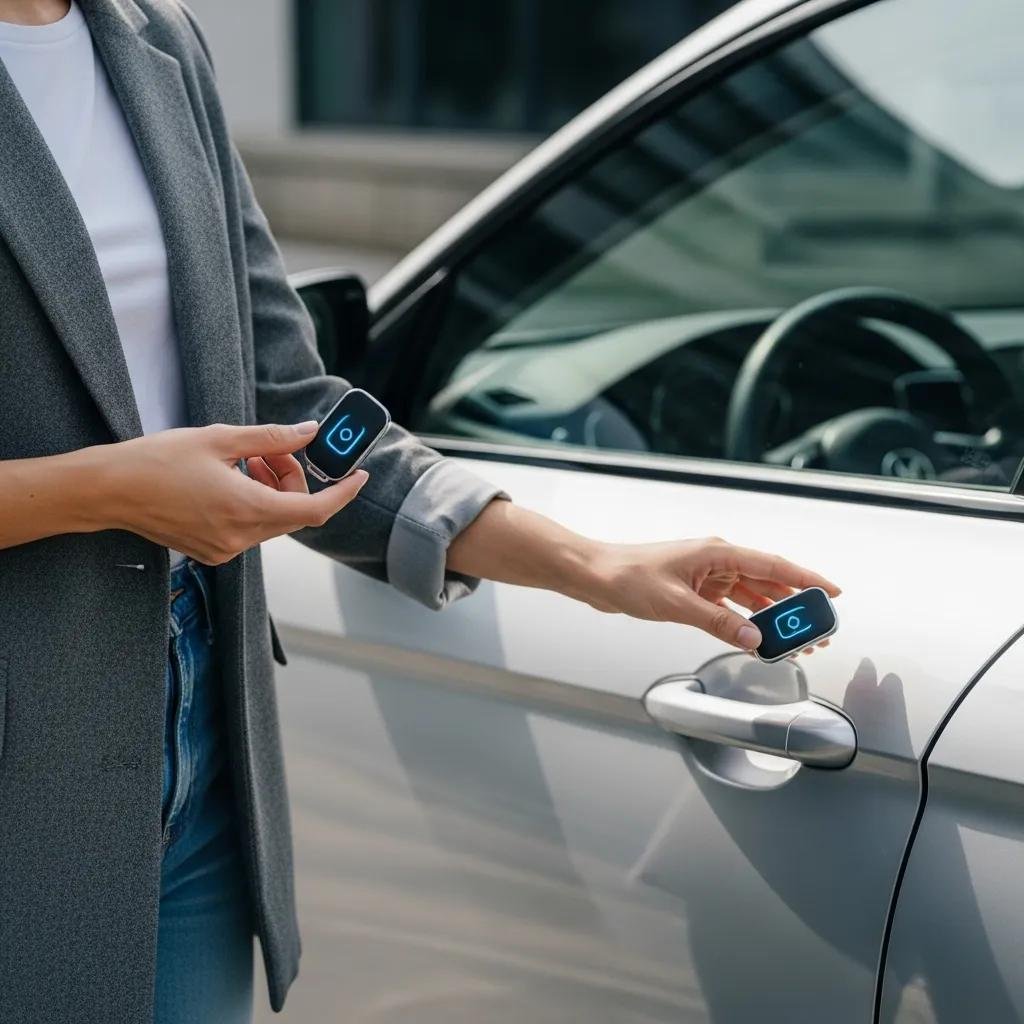
Smart keys utilize advanced technology to allow keyless entry and push-button start features in vehicles. These keys communicate with the vehicle through radio frequency signals, typically using low-frequency RFID or ultra-wideband (UWB) technology rather than near-field communication (NFC), which is less common in automotive key systems. When the smart key is in proximity to the vehicle, it automatically unlocks the doors, and the driver can start the engine with a push of a button. This convenience eliminates the need to physically insert a key, making it easier for drivers to access their vehicles quickly. Smart keys also often include additional features, such as remote start and trunk release.
How Do Remote Car Keys and Key Fobs Work for Vehicle Access?
Remote car keys and key fobs are designed to enhance convenience and security for vehicle access. These devices allow users to lock and unlock their vehicles from a distance, typically using a button on the key fob. The remote key communicates with the vehicle’s receiver, sending a coded radio signal to perform the desired action. This technology has become increasingly popular, providing a seamless experience for vehicle owners.
What Are the Common Functions of Remote Key Fobs?
Remote key fobs offer several essential functions that enhance vehicle security and convenience. Common functions include:
- Locking and Unlocking: Users can lock or unlock their vehicles from a distance, providing added security.
- Panic Button: Many key fobs include a panic button that activates the car’s alarm, drawing attention in emergencies.
- Trunk Release: Some fobs allow users to open the trunk remotely, making it easier to access cargo without needing to unlock the entire vehicle.
How Can You Replace a Key Fob Battery Yourself?
Replacing a key fob battery is a straightforward process that can be done at home with minimal tools. Here’s a simple guide to help you replace your key fob battery:
- Gather Tools: You will need a small screwdriver and a replacement battery, typically a CR2032 or similar coin cell battery.
- Open the Fob: Use the screwdriver to gently pry open the key fob casing, being careful not to damage the plastic.
- Replace the Battery: Remove the old battery and insert the new one, ensuring the positive side is facing the correct direction.
- Reassemble the Fob: Snap the key fob back together and test it to ensure it functions properly.
By following these steps, you can save time and money by replacing the battery yourself.
What Are Other Important Car Key Types Beyond Transponder, Smart, and Remote?
In addition to transponder, smart, and remote keys, there are other important car key types that vehicle owners should be aware of. These include mechanical keys, laser-cut keys, and digital keys. Each type has its own unique features and security implications.
How Do Mechanical and Laser-Cut Keys Differ in Security and Duplication?
Mechanical keys are the traditional keys that have been used for decades. They are cut from a solid piece of metal and operate through a simple lock-and-key mechanism. While they are easy to duplicate, they offer limited security compared to modern key types.
Laser-cut keys, also known as sidewinder keys, are designed with a more complex cutting process that creates a unique, intricate groove along the key’s length. This design makes them more difficult to duplicate and provides enhanced security. Many modern vehicles utilize laser-cut keys to deter theft and unauthorized access.
What Is the Role of Digital Car Keys and Smartphone Integration?
Digital car keys represent the latest advancement in vehicle access technology. These keys allow users to unlock and start their vehicles using their smartphones. Through Bluetooth Low Energy (BLE), ultra-wideband (UWB), or NFC technology, digital keys can communicate securely with the vehicle, providing a seamless and convenient experience. This integration not only enhances security but also allows for features such as remote access, sharing keys with others through mobile apps, and temporary access permissions.
When and Why Should You Use Professional Car Key Replacement and Programming Services?
While many vehicle owners may attempt to handle key issues themselves, there are times when professional locksmith services are necessary. Professional locksmiths have the expertise and tools required to replace and program car keys accurately, ensuring that they function correctly with the vehicle’s security system.
How Can a Locksmith Program Transponder and Smart Keys?
Locksmiths can program transponder and smart keys using specialized equipment that communicates with the vehicle’s onboard computer. This process involves syncing the new key with the vehicle’s immobilizer system, ensuring that it can start the engine and access the vehicle. Attempting to program these keys without the proper tools can lead to complications, making professional assistance a wise choice.
What Are the Benefits of Choosing Local Locksmith Services in Charlotte, NC?
Choosing local locksmith services, such as My Locksmith Express, offers several advantages for vehicle owners in Charlotte, NC. Local locksmiths provide quick response times, ensuring that you receive assistance when you need it most. Additionally, they have a deep understanding of the local market and can offer tailored solutions to meet your specific needs. By opting for a local service, you also support your community and benefit from personalized customer service.
What Are Common Issues and Troubleshooting Tips for Different Car Key Types?
Different car key types can present unique challenges for vehicle owners. Understanding these common issues and how to troubleshoot them can save time and frustration.
How to Identify and Resolve Transponder Key Problems?
Transponder key problems often manifest as difficulty starting the vehicle or intermittent functionality. Common symptoms include:
- No Response: The vehicle does not start when the key is inserted.
- Flashing Security Light: The security light on the dashboard may flash, indicating a key recognition issue.
To resolve these problems, check the key’s battery (if applicable) and ensure it is functioning correctly. If issues persist, consult a professional locksmith or dealership for further assistance.
What Should You Do If Your Smart Key Is Not Detected by Your Vehicle?
If your smart key is not detected by your vehicle, it may be due to a dead battery or a malfunctioning key. Here are steps to troubleshoot the issue:
- Check the Battery: Replace the battery in the smart key if it is low or dead.
- Reboot the Vehicle: Turn off the vehicle and restart it to reset the system.
- Consult the Manual: Refer to the vehicle’s manual for specific troubleshooting steps related to the smart key system.
If these steps do not resolve the issue, seek assistance from a professional locksmith or dealership.
How Do Car Key Types Compare in Security, Convenience, and Replacement Costs?
When considering car key types, it’s essential to evaluate their security features, convenience, and replacement costs. Each type offers distinct advantages and disadvantages that can impact your decision.
What Are the Security Advantages and Vulnerabilities of Each Key Type?
The security advantages and vulnerabilities of car key types vary significantly:
- Mechanical Keys: Easy to duplicate, offering low security.
- Transponder Keys: High security due to unique codes, but can fail if the chip is damaged or battery is dead.
- Smart Keys: Very secure with keyless entry, but vulnerable to relay attacks if not properly protected.
- Remote Keys: Convenient but can be susceptible to signal interception or relay attacks.
Understanding these factors can help vehicle owners choose the most appropriate key type for their needs.
How Do Replacement Costs Vary Among Transponder, Smart, and Remote Keys?
Replacement costs for car keys can vary widely based on the type and technology involved. Generally, the costs are as follows:
- Mechanical Keys: Typically range from $5 to $20 for duplication.
- Transponder Keys: Replacement costs can range from $50 to $200, depending on programming needs and vehicle make.
- Smart and Remote Keys: These keys can be more expensive, with replacement costs ranging from $150 to $400, including programming.
Being aware of these costs can help vehicle owners budget for key replacements and understand the financial implications of their key choices.
| Key Type | Security Level | Convenience | Average Replacement Cost |
|---|---|---|---|
| Mechanical | Low | Basic | $5 – $20 |
| Transponder | High | Moderate | $50 – $200 |
| Smart | Very High | High | $150 – $400 |
| Remote | High | High | $150 – $400 |
This comparison highlights the trade-offs between security, convenience, and cost, allowing vehicle owners to make informed decisions about their car key options.