
Table of Contents
ToggleDIY Home Security Audit: Identify Vulnerabilities & Boost SafetyDIY Home Security Audit: How to Identify Vulnerabilities and Secure Your Home
Conducting a DIY home security audit is essential for identifying vulnerabilities that could compromise your safety. This comprehensive guide will walk you through the steps necessary to assess your home’s security effectively. By understanding the importance of a home security audit, you can take proactive measures to protect your property and loved ones. Many homeowners are unaware of the potential risks lurking in their surroundings, which can lead to unfortunate incidents. This article will cover essential steps in a home security checklist, how to conduct a comprehensive residential security audit, common vulnerabilities in smart home security, when to call a professional locksmith, and how to create an effective home security improvement plan.
What Are the Essential Steps in a Home Security Checklist?
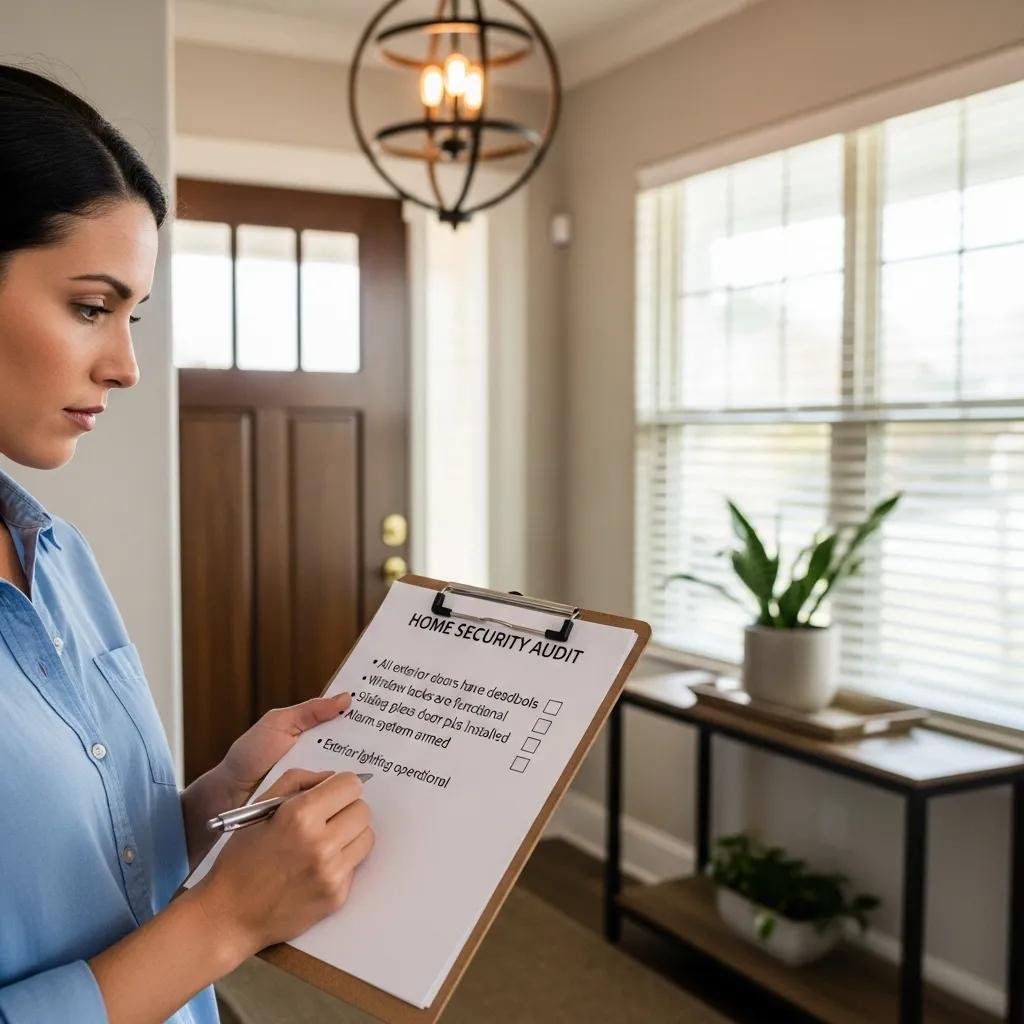
A home security checklist is a vital tool for identifying and addressing potential vulnerabilities in your home. It typically includes evaluating entry points, assessing existing security measures, and documenting any vulnerabilities found. By following a structured approach, homeowners can ensure they cover all critical aspects of their security.
How Do You Assess Door Security and Lock Effectiveness?
Assessing door security involves examining the types of locks installed, their installation quality, and maintenance practices. High-quality deadbolts, for instance, provide better protection than standard locks. Ensure that all exterior doors have sturdy frames and hinges, and consider reinforcing them with additional security features like strike plates. Regular maintenance, such as lubricating locks and checking for wear, is essential to ensure they function correctly.
What Window Security Measures Should You Evaluate?
Window security is equally important, as unsecured windows can be an easy entry point for intruders. Evaluate the types of locks on your windows and consider adding security films or window bars for added protection. Reinforcing windows with shatter-resistant glass can also deter break-ins. Document any vulnerabilities, such as windows that are easy to open or lack proper locks, to address them effectively.
How Can You Conduct a Comprehensive Residential Security Audit?
Conducting a thorough residential security audit involves a systematic walkthrough of your property to identify weak points. This process includes examining the exterior perimeter, garage, and secondary access points to ensure all potential vulnerabilities are addressed.
Which Exterior Perimeter Vulnerabilities Should You Identify?
Identifying vulnerabilities in the exterior perimeter is crucial for enhancing your home’s security. Common issues include inadequate lighting, overgrown landscaping that obscures visibility, and weak fencing. Ensure that all entry points are well-lit and that landscaping does not provide cover for potential intruders. Installing motion-sensor lights can significantly improve visibility and deter unwanted visitors.
How Do You Evaluate Garage and Secondary Access Points?
The garage and secondary access points often present unique security challenges. Evaluate the types of garage doors and their locking mechanisms. Ensure that garage doors are equipped with secure locks and consider installing additional security measures, such as smart locks or alarms. Secondary access points, like side doors or basement windows, should also be assessed for vulnerabilities and reinforced as necessary.
What Are Common Home Vulnerabilities in Smart Home and Digital Security?
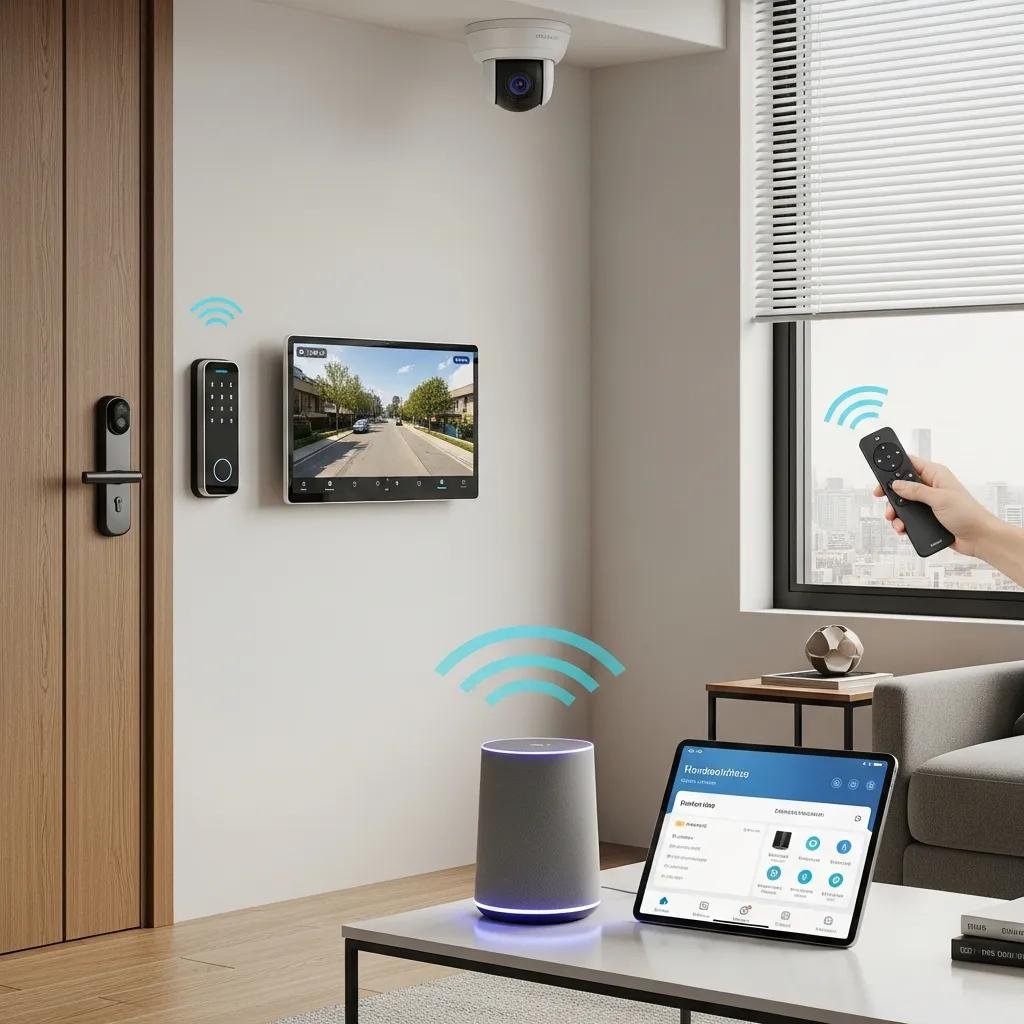
As technology advances, smart home devices have become increasingly popular, but they also introduce new vulnerabilities. Understanding these risks is essential for maintaining a secure home environment.
How Do You Check Smart Lock Vulnerabilities and Firmware Updates?
Smart locks offer convenience but can be susceptible to hacking if not properly secured. Regularly check for firmware updates to ensure your devices have the latest security features. Additionally, use strong, unique passwords for your smart devices and enable two-factor authentication whenever possible. This proactive approach can help mitigate potential risks associated with smart lock vulnerabilities.
What Are Best Practices for Wi-Fi Network Security in Home Audits?
Wi-Fi network security is critical in protecting your smart home devices from unauthorized access. Implement best practices such as using strong passwords, enabling network encryption (WPA3 if available), and regularly updating your router’s firmware. Consider segmenting your network to separate smart devices from personal devices, reducing the risk of a security breach. Regularly monitoring your network for unfamiliar devices can also help maintain security.
When Should You Call a Professional Locksmith for Security Upgrades?
While many homeowners can perform a DIY security audit, there are times when professional assistance is necessary. Recognizing the signs of vulnerability and understanding the types of upgrades needed can help you determine when to seek expert help.
What Residential Locksmith Services Enhance Home Security?
Residential locksmith services can significantly enhance your home’s security. Services such as lock installation, rekeying, and smart lock installation are essential for maintaining a secure environment. A professional locksmith can assess your current security measures and recommend upgrades tailored to your specific needs.
How Does My Locksmith Express Support Charlotte and Lake Norman Homeowners?
My Locksmith Express is a 24/7 mobile locksmith service based in the Charlotte, NC area, including Cornelius, Huntersville, and Davidson. They specialize in emergency car lockouts, residential lock services, and commercial security solutions. Known for fast, reliable, and professional service, My Locksmith Express offers transparent pricing and is licensed and insured, ensuring peace of mind for homeowners in the region.
How Do You Create an Effective Home Security Improvement Plan After an Audit?
Creating a home security improvement plan is essential for addressing identified vulnerabilities. This plan should prioritize vulnerabilities, budget for upgrades, and establish an implementation timeline.
What Prioritization and Budgeting Strategies Should Homeowners Use?
When prioritizing vulnerabilities, consider the potential impact of each issue on your overall security. Focus on high-risk areas first, such as weak locks or poorly lit entry points. Budgeting for upgrades can involve researching costs for materials and services, allowing you to allocate funds effectively. Consider implementing changes gradually to manage expenses while enhancing security.
How Can Emergency Preparedness Complement Your Security Audit?
Emergency preparedness is an integral part of a comprehensive security strategy. Creating an emergency plan that includes communication protocols, evacuation routes, and contact information for local emergency services can enhance your overall safety. Integrating security measures, such as installing alarms and surveillance cameras, can further protect your home and provide peace of mind.
Different security improvement strategies deliver distinct benefits through specific mechanisms.
| Strategy | Mechanism | Benefit |
|---|---|---|
| Enhanced Locks | Improved materials | Increased resistance to forced entry |
| Security Cameras | Surveillance | Deterrence of criminal activity |
| Alarm Systems | Immediate alerts | Quick response to potential threats |
This comparison demonstrates how various security measures can work together to create a comprehensive home security strategy. By understanding the benefits of each approach, homeowners can make informed decisions about their security upgrades.
Homeowners can take proactive steps to enhance their security by conducting a thorough DIY home security audit. By identifying vulnerabilities and implementing effective measures, you can create a safer environment for yourself and your family.