
Table of Contents
ToggleComprehensive Locksmith & Security Terminology Glossary for Charlotte and Lake Norman
Understanding locksmith and security terminology is essential for residents of Charlotte and the Lake Norman area. This comprehensive glossary aims to clarify key terms and concepts that are vital for anyone seeking locksmith services or looking to enhance their security knowledge. With the increasing importance of security in our daily lives, being informed about the terminology can help individuals make better decisions regarding their safety and the safety of their property. This article will cover essential locksmith terms, the workings of master key systems, various types of door locks, automotive locksmith terms, access control systems, and the significance of rekeying and lock installation. By the end of this guide, readers will have a solid foundation in locksmith terminology and its practical applications.
What Are the Essential Locksmith Terms Every Charlotte Resident Should Know?
In the realm of locksmithing, understanding key terms is crucial for effective communication and informed decision-making. Essential locksmith terms include definitions that clarify the services offered and the mechanisms involved. This section will provide a foundational understanding of these terms, which are particularly relevant for residents in Charlotte and the surrounding areas.
How Do Common Lock Types Differ and What Are Their Uses?
Lock types vary significantly in design and function, each serving specific purposes. The most common types include:
- Deadbolts: These locks provide enhanced security by requiring a key or thumb turn to open, making them more resistant to forced entry.
- Mortise Locks: Often used in commercial settings, these locks are installed within the door itself, offering robust security and durability.
- Smart Locks: These modern locks can be controlled via smartphones, keypads, or biometric sensors, providing convenience and advanced security features.
Understanding these differences helps residents choose the right lock for their needs, ensuring optimal security for their homes or businesses.
What Key Definitions Are Crucial for Understanding Locksmith Services?
Several key definitions are essential for grasping the full scope of locksmith services:
- Rekeying: This process involves changing the internal components of a lock so that it can be operated by a new key, enhancing security without replacing the entire lock.
- Master Key: A master key system allows one key to open multiple locks, providing convenience for property managers and business owners.
- Transponder Key: Commonly used in modern vehicles, this key contains a chip that communicates with the car’s immobilizer system, enhancing anti-theft measures.
Familiarity with these terms empowers residents to engage more effectively with locksmith services and understand the options available to them.
How Does a Master Key System Work and Why Is It Important?
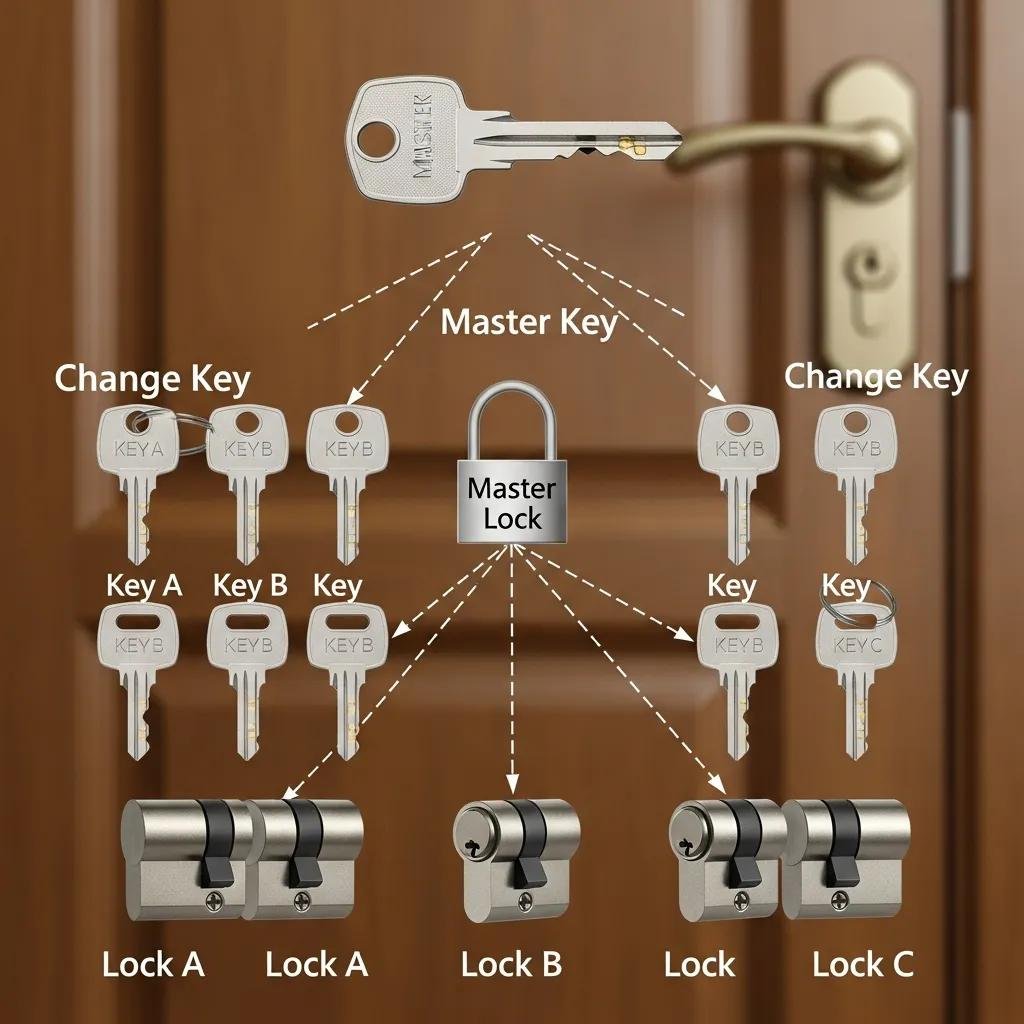
A master key system is a sophisticated locking mechanism that allows a single key to operate multiple locks while maintaining individual keys for each lock. This system is particularly beneficial for businesses and residential complexes, providing convenience and enhanced security.
What Are the Components and Benefits of a Master Key System?
The primary components of a master key system include:
- Master Keys: These keys can open all locks within the system.
- Change Keys: Individual keys that open specific locks.
- Locks: Each lock is designed to work with its corresponding change key and the master key.
The benefits of a master key system include simplified access for authorized personnel, improved security management, and reduced key duplication risks.
How Does a Grand Master Key Differ from a Change Key?
A grand master key is a higher-level key that can open multiple master key systems, while a change key is specific to a single lock. This distinction is crucial for understanding the hierarchy and functionality of key systems in larger properties, such as hotels or office buildings.
What Are the Different Types of Door Locks and Their Security Features?
Door locks come in various types, each with unique security features that cater to different needs. Understanding these types can help individuals make informed choices about their security.
How Do Deadbolts, Mortise, and Smart Locks Compare?
| Lock Type | Security Level | Common Use Cases |
|---|---|---|
| Deadbolt | High | Residential front doors |
| Mortise Lock | Very High | Commercial buildings |
| Smart Lock | Variable | Homes with smart technology |
Deadbolts are widely regarded for their strength, while mortise locks offer superior durability. Smart locks provide convenience but vary in security based on technology, installation, and manufacturer quality.
What Are High-Security Locks and Their Applications?
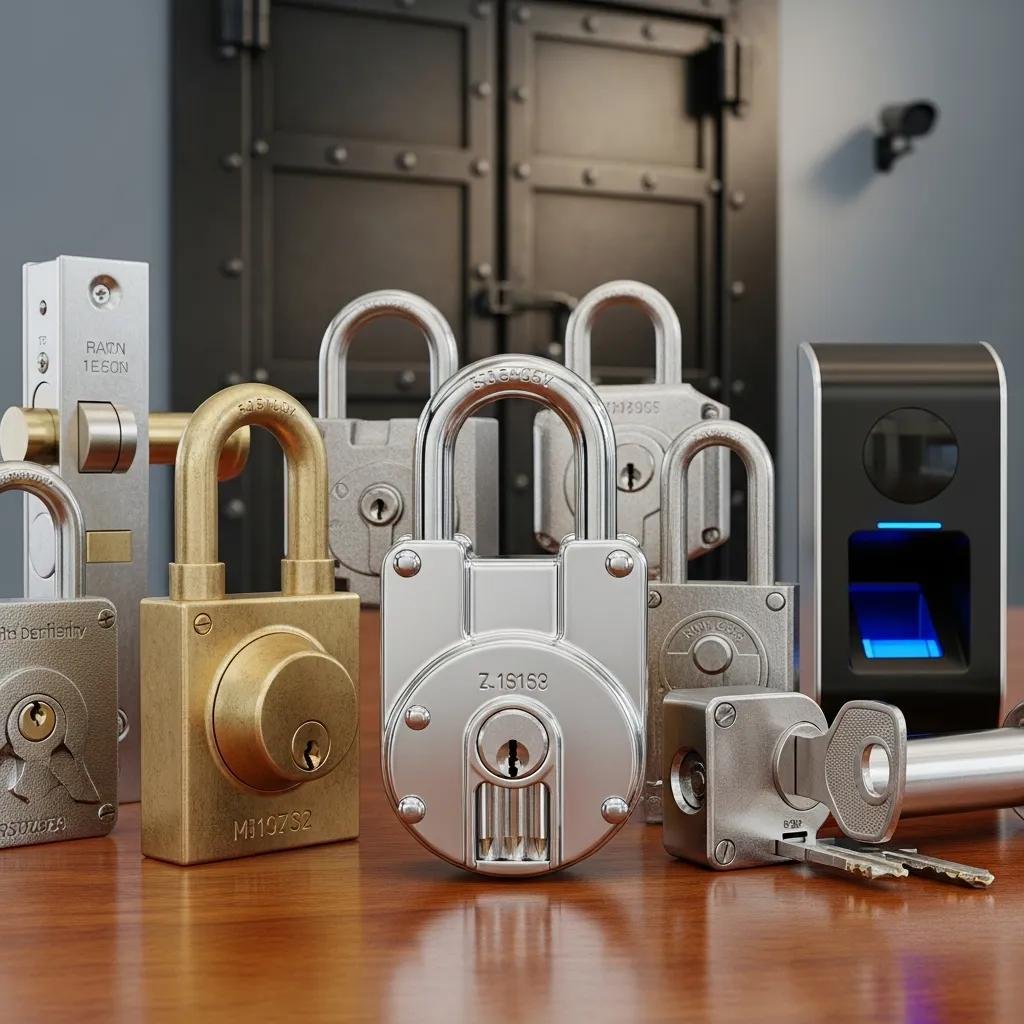
High-security locks are designed with advanced features that resist picking, drilling, bumping, and unauthorized duplication. These locks are ideal for commercial properties, government buildings, and high-value residential areas, providing an extra layer of security that standard locks cannot offer.
What Automotive Locksmith Terms Should Vehicle Owners Understand?
Automotive locksmithing involves specialized terms that vehicle owners should be familiar with to address common issues effectively.
How Does Transponder Key Programming Work?
Transponder key programming involves encoding a chip within the key to communicate with the vehicle’s immobilizer system. This process ensures that only the correct key can start the vehicle, significantly reducing the risk of theft. Vehicle owners should consult a professional locksmith or dealership for programming services to ensure proper functionality.
What Is Ignition Repair and When Is It Needed?
Ignition repair is necessary when a vehicle experiences issues starting, often due to a malfunctioning ignition switch, worn-out key, or damaged ignition cylinder. Signs that ignition repair is needed include difficulty turning the key, unusual noises, or the engine not starting. Prompt attention to these issues can prevent further damage and ensure reliable vehicle operation.
How Do Access Control and Security Systems Enhance Commercial Property Safety?
Access control systems are essential for managing entry to commercial properties, providing a secure environment for employees and assets. These systems can include keycard access, biometric scanners, and remote monitoring.
What Are the Key Features of Access Control Systems?
Key features of access control systems include:
- Remote Access: Allows authorized personnel to enter buildings from designated remote locations or via mobile credentials.
- Monitoring: Tracks who enters and exits, providing valuable data for security audits.
- Reporting: Generates reports on access patterns, enhancing security management.
These features collectively enhance the safety and security of commercial properties, making them indispensable for modern businesses.
How Do Audit Trails and Biometric Access Improve Security?
Audit trails provide a record of access events, allowing property managers to review who accessed specific areas and when. Biometric access, such as fingerprint or facial recognition, adds an additional layer of security by ensuring that only authorized individuals can enter sensitive areas. Together, these features significantly enhance overall security measures.
How Can Understanding Rekeying and Lock Installation Improve Residential Security?
Rekeying and professional lock installation are critical components of residential security. Understanding these processes can empower homeowners to take proactive steps in safeguarding their properties.
What Is Rekeying and When Should It Be Done?
Rekeying should be considered when moving into a new home, after losing a key, or when there is a change in household members. This process ensures that previous keys no longer operate the locks, enhancing security and peace of mind for homeowners.
How Does Professional Lock Installation Enhance Home Safety?
Professional lock installation is crucial for ensuring that locks function correctly and provide the intended level of security. Poorly installed locks can compromise safety, making it easier for intruders to gain access. Engaging a qualified locksmith ensures that locks are installed to industry standards, providing reliable protection for homes.
| Lock Type | Security Level | Common Use Cases |
|---|---|---|
| Deadbolt | High | Residential front doors |
| Mortise Lock | Very High | Commercial buildings |
| Smart Lock | Variable | Homes with smart technology |
This comparison highlights the importance of selecting the right lock type based on security needs and application. Understanding these distinctions can guide homeowners in making informed decisions about their security measures.