
Table of Contents
ToggleComplete Guide to Lock Types: Mechanisms & Security SolutionsComplete Guide to Different Types of Locks Explained: Understanding Lock Mechanisms and Security Solutions
Locks are essential devices that provide security and peace of mind in various settings, from homes to businesses and vehicles. This comprehensive guide explores the different types of locks, their mechanisms, and the security solutions they offer. Readers will learn about the various lock types, how they function, and the best applications for each. Many individuals face challenges in selecting the right lock for their needs, whether for enhanced security or convenience. Understanding the intricacies of lock mechanisms can help in making informed decisions. This article will cover common door locks, mechanical locks, electronic and smart locks, choosing the right lock, locksmith services, and advanced security measures.
What Are the Most Common Types of Door Locks and Their Mechanisms?
Door locks are crucial for securing entrances and providing safety. The most common types include deadbolt locks, mortise locks, and knob locks, each with unique mechanisms and security features. Understanding these types helps in selecting the right lock for specific needs.
How Do Deadbolt Locks Provide Enhanced Security for Residential and Commercial Doors?
Deadbolt locks are known for their robust security features, making them a popular choice for both residential and commercial properties. Unlike spring bolt locks, which can be easily manipulated, deadbolts require a key or thumb turn to operate. This mechanism provides a higher level of security, as the bolt extends deep into the door frame, making it difficult to force open. There are various types of deadbolts, including single-cylinder, double-cylinder, and lockable thumb turn, each suited for different applications. For instance, single-cylinder deadbolts are ideal for residential use, while double-cylinder versions are often used in commercial settings or where windows near the door pose a security risk.
What Are Mortise Locks and Where Are They Best Used?
Mortise locks are another common type of lock, characterized by their installation within a pocket or mortise in the door. This design allows for a more secure fit and is often found in commercial buildings and high-end residential properties. Mortise locks typically offer a single deadbolt or latch mechanism rather than multiple locking points, though some advanced mortise locks can have additional features. They are available in various styles, including deadlock and latch configurations, making them versatile for different applications. Their robust construction and ability to accommodate various locking mechanisms make mortise locks a preferred choice for those seeking enhanced security.
How Do Mechanical Locks Work and What Are Their Key Variants?
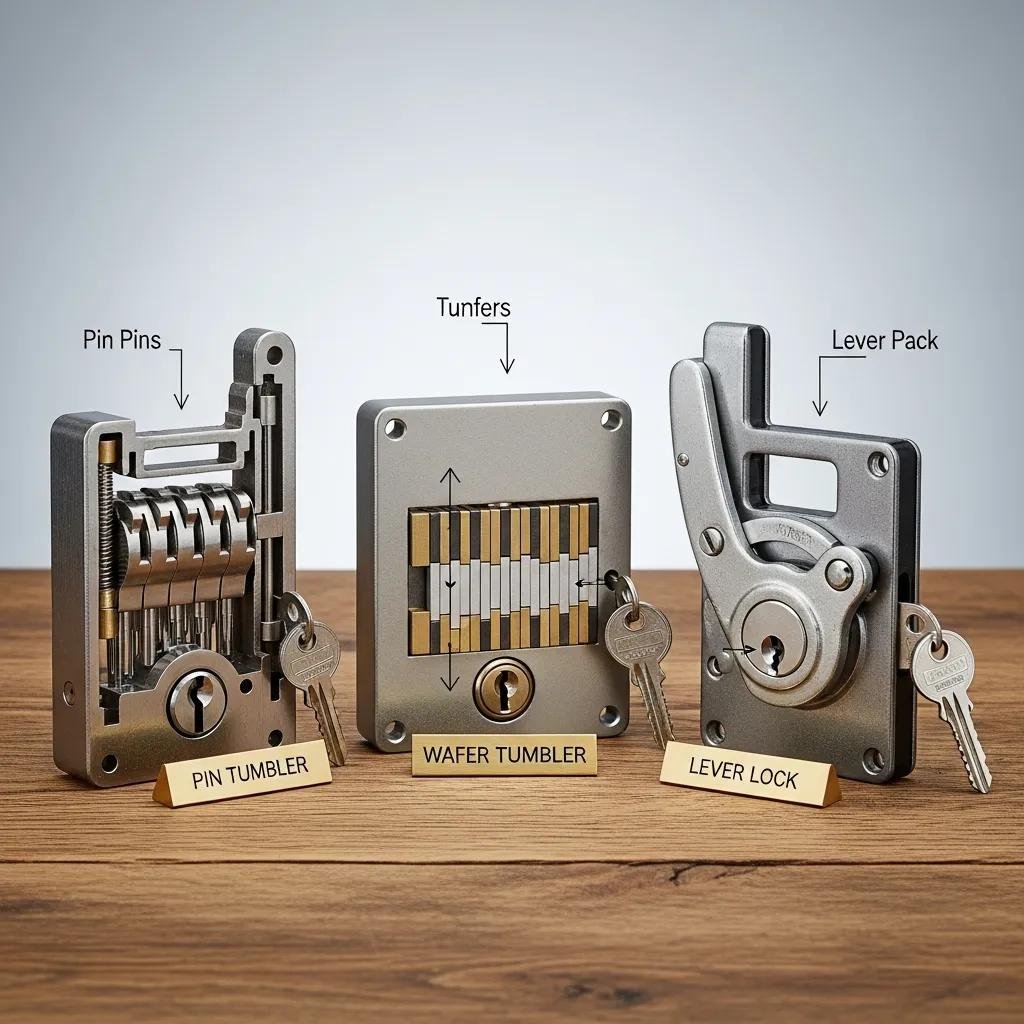
Mechanical locks operate using physical components rather than electronic systems. They rely on various mechanisms, including pin tumbler, wafer tumbler, and lever locks, each offering different levels of security and functionality.
What Is the Pin Tumbler Mechanism and How Does It Secure Doors?
The pin tumbler mechanism is one of the most widely used locking systems. It consists of a cylinder with pins of varying lengths that align with a specific key. When the correct key is inserted, the pins align, allowing the cylinder to turn and unlock the door. This mechanism is popular due to its simplicity and effectiveness, providing a reliable level of security for residential and commercial applications. The pin tumbler lock can be rekeyed by a locksmith, making it a practical choice for property owners who may need to change their locks frequently.
How Do Wafer Tumbler and Lever Locks Differ in Security and Application?
Wafer tumbler locks and lever locks are two other types of mechanical locks. Wafer tumbler locks use flat wafers instead of pins, making them easier to manufacture and install. However, they generally offer lower security compared to pin tumbler locks. Lever locks, on the other hand, utilize a series of levers that must be lifted to a specific height to unlock the mechanism. These locks are often found in commercial settings due to their durability and resistance to picking. Understanding the differences between these lock types helps in selecting the appropriate lock for specific security needs.
What Are Electronic and Smart Lock Technologies and Their Benefits?
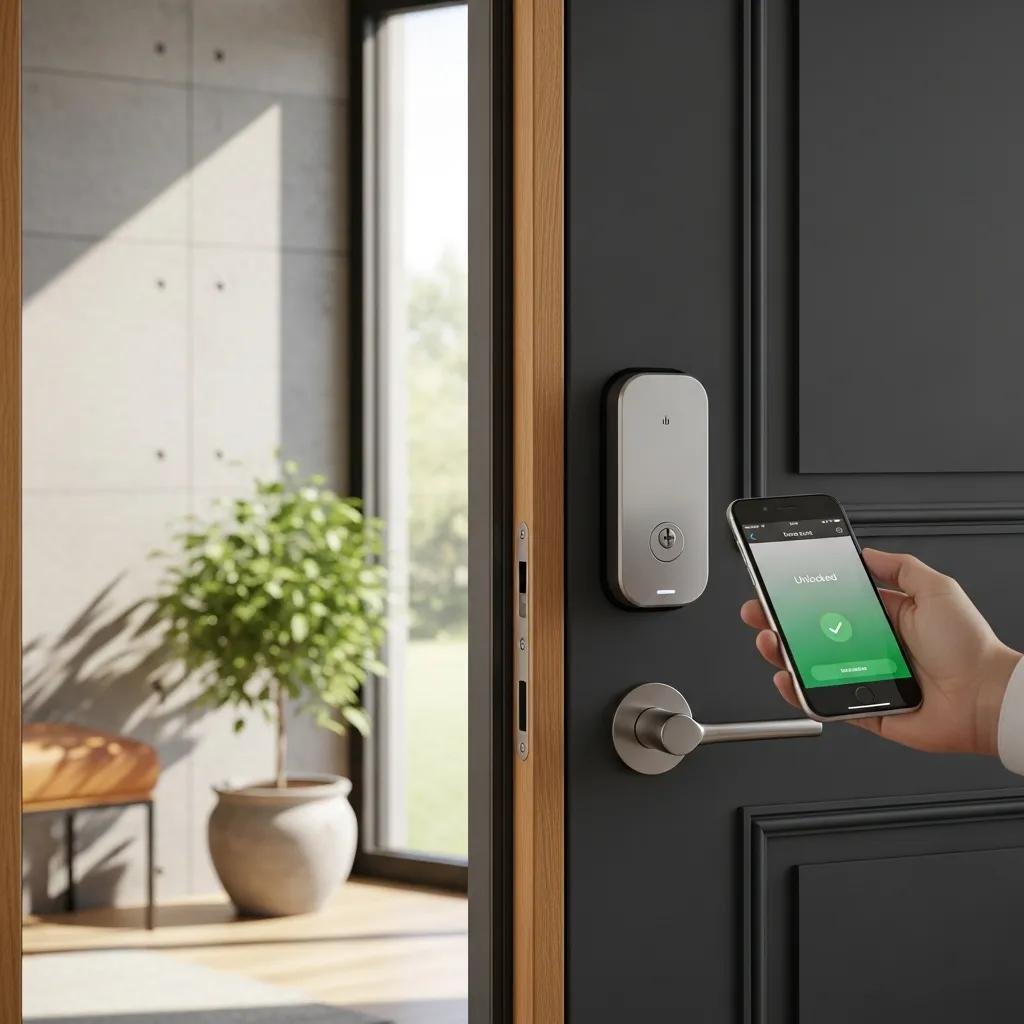
Electronic and smart locks represent the evolution of traditional locking mechanisms, offering enhanced convenience and security features. These locks can be controlled remotely and often integrate with home automation systems.
How Do Keyless Entry Systems and Smart Locks Enhance Convenience and Security?
Keyless entry systems allow users to unlock doors without traditional keys, using codes, smartphones, or biometric data. This technology enhances convenience, especially for those who frequently misplace keys. Smart locks can be programmed to grant access to specific individuals at designated times, making them ideal for rental properties or shared spaces. Additionally, many smart locks provide alerts and activity logs, allowing homeowners to monitor access to their property. This combination of convenience and security makes electronic locks a popular choice for modern homes and businesses.
What Are Biometric Locks and How Are They Integrated into Modern Access Control?
Biometric locks utilize unique biological traits, such as fingerprints or facial recognition, to grant access. This technology offers a high level of security, as it is difficult to replicate an individual’s biometric data. Biometric locks are often integrated into advanced access control systems, providing seamless entry for authorized users while preventing unauthorized access. Their growing popularity in both residential and commercial settings highlights the shift towards more secure locking solutions.
How to Choose the Right Lock for Residential, Commercial, and Automotive Needs?
Selecting the appropriate lock involves considering various factors, including security needs, budget, and specific applications. Understanding lock grades and features is essential for making informed decisions.
What Lock Grades and Security Features Should Charlotte Homeowners Consider?
Homeowners in Charlotte should consider the ANSI/BHMA grading system when selecting locks. This system categorizes locks based on their durability and security features. Grade 1 locks offer the highest level of security, suitable for exterior doors, while Grade 2 locks are suitable for residential and light commercial use. Grade 3 locks are typically used for interior residential doors. Additionally, features such as pick resistance, drill resistance, and material quality should be evaluated to ensure optimal security. Investing in high-quality locks can significantly enhance home security and provide peace of mind.
Which Commercial Lock Systems Are Ideal for Lake Norman Businesses?
For businesses in the Lake Norman area, selecting the right commercial lock system is crucial for protecting assets and ensuring employee safety. High-security locks, such as those with restricted keyways or master key systems, provide enhanced protection against unauthorized access. Additionally, electronic access control systems can streamline entry for employees while maintaining security. Businesses should assess their specific security needs and consult with professionals to determine the best lock systems for their operations.
What Locksmith Services Support Lock Installation, Repair, and Emergency Needs?
Locksmith services play a vital role in ensuring the proper installation, maintenance, and repair of locks. These services are essential for both residential and commercial properties, providing peace of mind and security.
How Does My Locksmith Express Provide 24/7 Emergency Lockout and Repair Services?
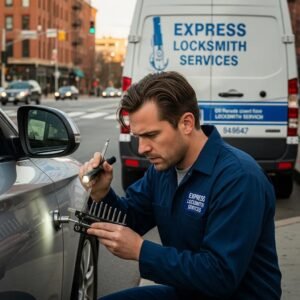
My Locksmith Express offers 24/7 emergency lockout services, ensuring that clients can access their properties at any time. With a team of licensed and insured professionals, the company provides fast and reliable assistance for lockouts, repairs, and installations. Their commitment to customer satisfaction and quick response times makes them a trusted choice for residents and businesses in the Charlotte area.
What Are the Options for Key Duplication and Smart Key Programming?
Key duplication services are essential for homeowners and businesses needing spare keys. My Locksmith Express offers professional key duplication, ensuring precision and quality. Additionally, they provide smart key programming services, allowing clients to create and manage digital keys for smart locks. This combination of traditional and modern key services ensures that clients have access to the solutions they need for their security systems.
How Can Security Be Enhanced Beyond Basic Locks?
While locks are fundamental to security, additional measures can further enhance protection. Understanding when to rekey or replace locks and exploring advanced security options is crucial for comprehensive safety.
When Should You Rekey Versus Replace Your Locks?
Rekeying is a cost-effective solution when a key is lost or when moving into a new property. This process involves changing the internal pins of the lock, rendering old keys useless. However, if a lock is damaged, outdated, or has compromised security features, replacement may be necessary to ensure optimal security. Homeowners should assess the condition of their locks and consider rekeying or replacing them based on their specific security needs.
What Are Master Key Systems and Advanced Security Upgrades Offered Locally?
Master key systems provide a convenient solution for businesses and properties with multiple locks. This system allows a single key to operate multiple locks, simplifying access for authorized personnel. Additionally, advanced security upgrades, such as surveillance systems and alarm systems, can complement traditional locks, providing a comprehensive security solution. Local locksmiths can offer guidance on implementing these systems to enhance overall security.
| Lock Type | Mechanism | Security Level | Best Use |
|---|---|---|---|
| Deadbolt | Keyed or thumb turn | High | Residential and commercial doors |
| Mortise | Installed in door pocket | High | Commercial buildings, high-end homes |
| Pin Tumbler | Keyed with pins | Medium | Residential and commercial applications |
| Wafer Tumbler | Flat wafers | Low | Low-security applications |
| Lever Lock | Levers lift to unlock | Medium | Commercial settings |
Lock selection is crucial for ensuring safety and security. By understanding the different types of locks and their mechanisms, individuals can choose the right solutions for their needs. Whether for residential, commercial, or automotive applications, the right lock can provide peace of mind and protection against unauthorized access.