DIY Home Security Enhancements
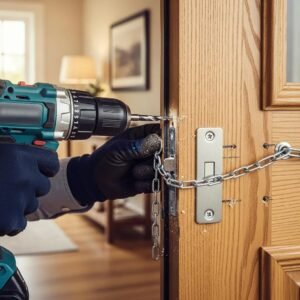
Enhancing home security through DIY methods can be both cost-effective and empowering for homeowners. Simple upgrades, such as installing deadbolts, reinforcing door frames, and adding security cameras, can significantly deter potential intruders.
For instance, homeowners can easily install motion sensor lights around their property, which not only improves visibility but also alerts them to any unusual activity. Additionally, using smart home devices, such as doorbell cameras, can provide real-time monitoring and peace of mind.
Choosing the Right Locks for Your Home
Selecting the appropriate locks for your home is crucial for maintaining security. Factors such as the type of door, the level of security needed, and personal preferences play significant roles in this decision-making process.
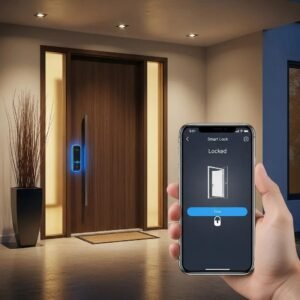
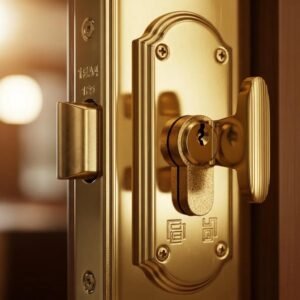
For example, deadbolts are recommended for exterior doors due to their strength and resistance to forced entry. Homeowners may also consider smart locks, which offer keyless entry and can be monitored remotely, providing an added layer of convenience and security.
Emergency Lockout Solutions for Homeowners
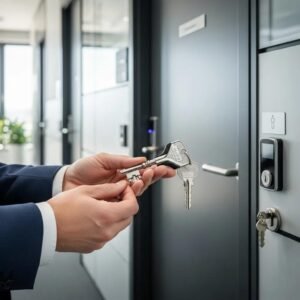
Experiencing a lockout situation can be stressful, but knowing the right emergency solutions can alleviate some of that pressure. Homeowners should have a plan in place for such occurrences, including keeping spare keys with trusted neighbors or family members.
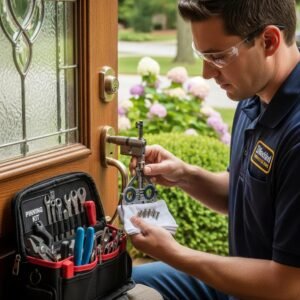
In addition, professional locksmith services are available 24/7 to assist with lockout situations. Understanding the importance of choosing a reliable locksmith can ensure that help is just a phone call away, minimizing the inconvenience of being locked out.
Understanding Lock Grades and Their Importance
Lock grades are essential to consider when selecting locks for your home or business, as they indicate the level of security provided. The American National Standards Institute (ANSI) categorizes locks into three grades based on their durability and resistance to forced entry.
Grade 1 locks, for example, are the highest-rated and are typically used in commercial settings, while Grade 2 locks are suitable for residential use. Knowing the differences between these grades can help consumers make informed decisions about the locks that best suit their security needs.