
Table of Contents
ToggleExtend Smart Lock Battery Life and Boost Energy EfficiencySmart Lock Energy Efficiency: How to Extend Battery Life and Reduce Power Consumption
Smart locks are revolutionizing home security, offering convenience and advanced features. However, understanding their energy efficiency is crucial for maximizing battery life and minimizing power consumption. This article will delve into the factors affecting smart lock battery performance, practical tips for enhancing battery longevity, and emerging technologies that improve energy efficiency. Many users face challenges with battery drain and power management, but by implementing effective strategies, you can ensure your smart lock operates optimally. We will explore various aspects, including connectivity types, usage patterns, and the importance of professional installation, to help you make informed decisions about your smart lock system.
What Factors Affect Smart Lock Battery Life and Power Consumption?
Several factors influence the battery life and power consumption of smart locks, including connectivity types, usage patterns, and environmental conditions. Understanding these elements can help users optimize their smart lock performance and extend battery longevity.
How Do Connectivity Types Impact Battery Drain?
Connectivity plays a significant role in how much energy a smart lock consumes. Smart locks typically use Wi-Fi, Bluetooth, or Z-Wave for communication.
- Wi-Fi: While it offers a strong connection, it tends to drain the battery faster due to constant data transmission and higher power requirements.
- Bluetooth: Generally consumes less power, making it a more energy-efficient option for smart locks that do not require constant connectivity.
- Z-Wave: This protocol is designed for low-power devices, allowing smart locks to maintain a connection without excessive battery drain.
Choosing the right connectivity type based on your usage needs can significantly impact battery life.
What Role Do Usage Patterns and Motor Activity Play in Battery Life?
Usage patterns and the frequency of motor activity also affect battery performance.
- Frequency of Use: The more often a smart lock is engaged, the more energy it consumes. For instance, locks that are frequently accessed will deplete their batteries faster than those used less often.
- Motor Activity: The internal mechanisms that control locking and unlocking require power. Locks with more complex motor functions or heavier internal components may experience quicker battery drain.
By understanding your usage patterns, you can adjust how often you engage the lock, potentially extending battery life.
How Can You Maximize Your Smart Lock's Battery Performance?
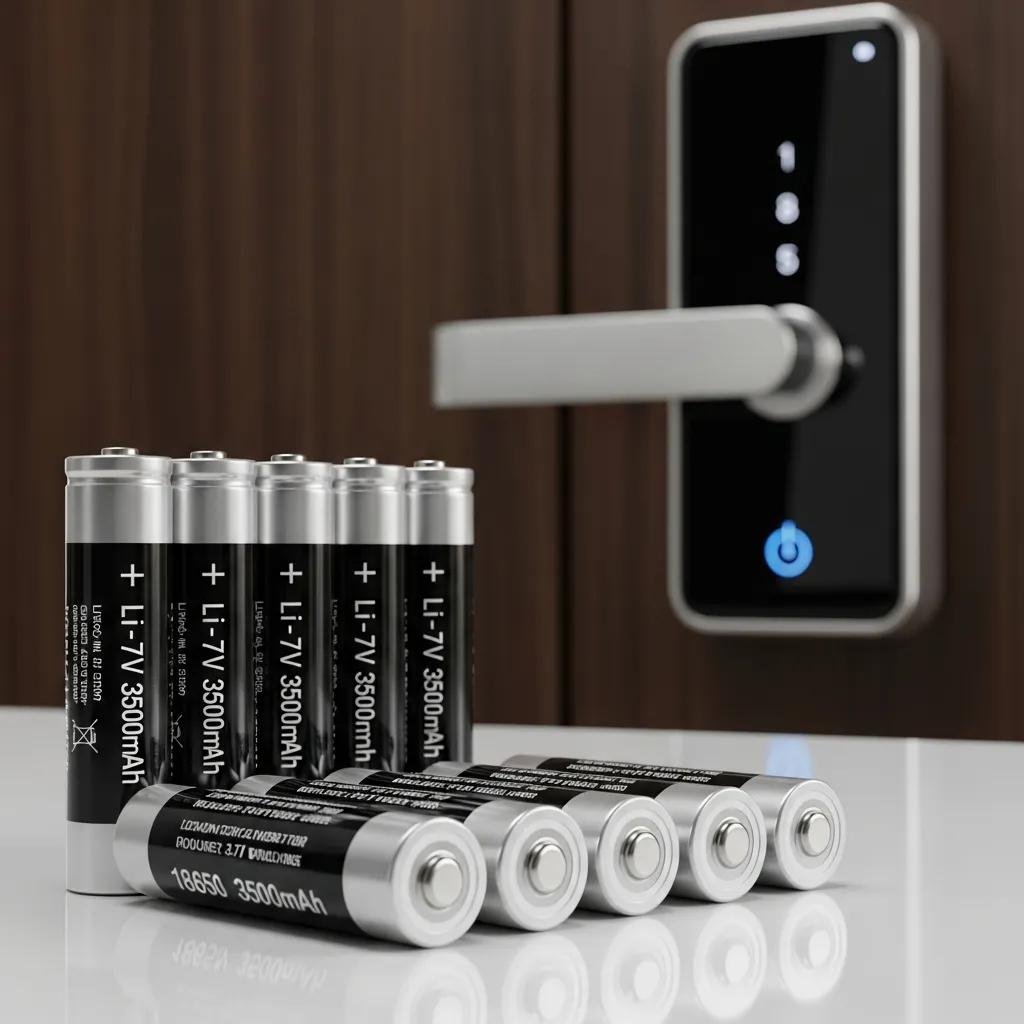
Maximizing your smart lock’s battery performance involves selecting the right batteries, utilizing energy-saving features, and maintaining the device properly. Implementing these strategies can lead to significant improvements in battery longevity.
Which Batteries Are Best for Longevity?
Choosing the right battery type is crucial for ensuring your smart lock operates efficiently.
- Alkaline Batteries: Commonly used, but they may not last as long under heavy use or in extreme temperatures.
- Lithium Batteries: These are often recommended for smart locks due to their longer lifespan, lighter weight, and better performance in extreme temperatures.
Investing in high-quality batteries can reduce the frequency of replacements and enhance overall performance.
What Energy-Saving Features and Settings Should You Use?
Many smart locks come equipped with energy-saving features that can help extend battery life.
- Sleep Mode: Activating sleep mode or low-power mode when the lock is not in use can significantly reduce power consumption.
- Adjustable Settings: Some locks allow users to adjust the frequency of updates, notifications, or auto-lock timing, which can help conserve battery life.
Utilizing these features can lead to a more efficient smart lock system.
What Emerging Technologies Improve Smart Lock Energy Efficiency?
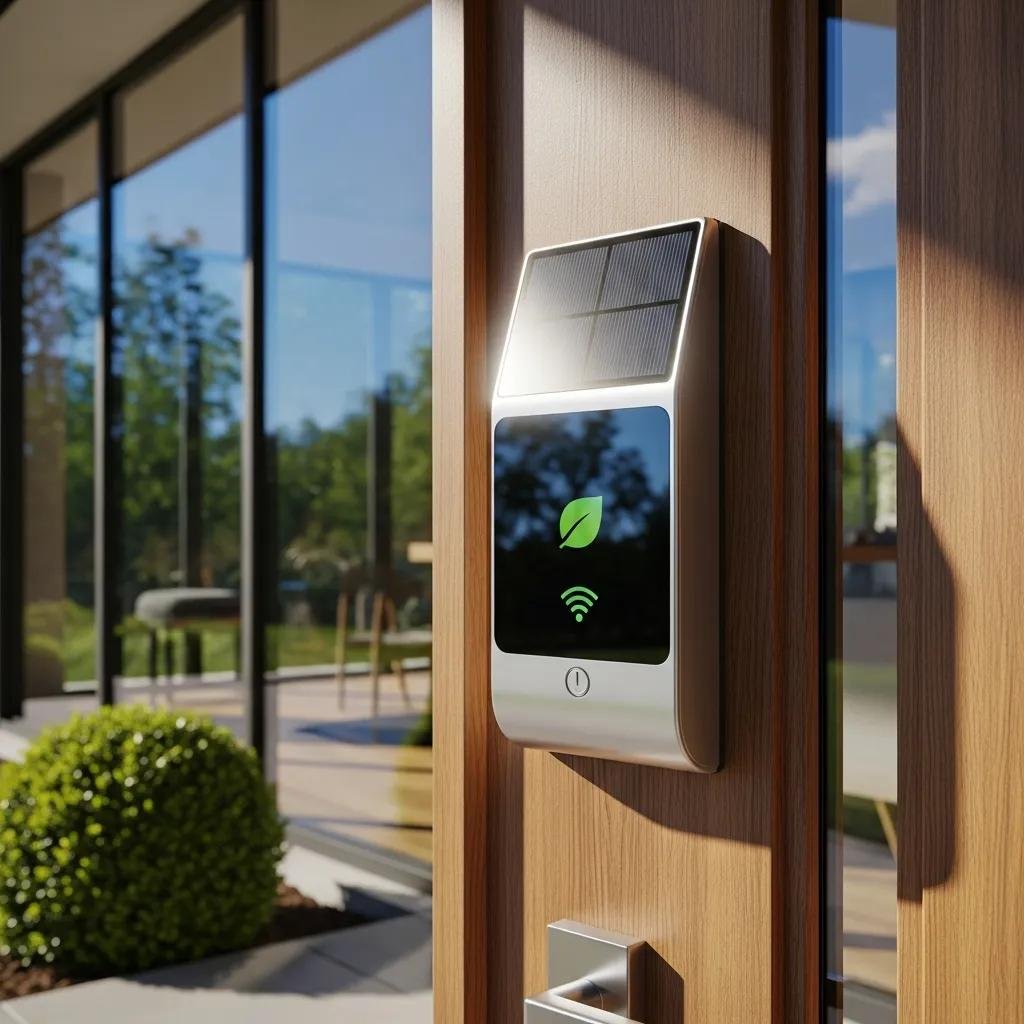
Emerging technologies are continually enhancing the energy efficiency of smart locks. Innovations such as Matter over Thread and wireless charging solutions are paving the way for more sustainable smart home devices.
How Does Matter over Thread Reduce Power Consumption?
Matter over Thread is a new connectivity standard that enhances interoperability between smart devices.
- Interoperability: This technology allows devices to communicate more efficiently, reducing the need for constant data transmission.
- Energy Savings: By optimizing communication and using the low-power Thread protocol, Matter over Thread can significantly lower power consumption, extending battery life for smart locks.
This advancement represents a significant step forward in smart home technology.
What Are the Advantages of Wireless Optical Charging and Solar Power?
Wireless optical charging and solar power are innovative solutions that can further improve smart lock energy efficiency.
- Wireless Optical Charging: This technology allows smart locks to charge without direct contact, reducing wear and tear on charging ports and connectors.
- Solar Power Integration: Some smart locks are now designed to harness solar energy, providing a sustainable power source that can supplement battery life but typically do not eliminate the need for battery replacements entirely.
These technologies not only enhance convenience but also contribute to a more eco-friendly approach to home security.
When Should You Call a Professional Locksmith for Battery and Power Issues?
While many battery issues can be resolved independently, there are times when professional assistance is necessary. Understanding when to seek help can save time and prevent further complications.
Why Is Professional Installation Crucial for Battery Longevity?
Professional installation ensures that your smart lock is set up correctly, which can significantly impact battery life.
- Correct Alignment: A properly aligned lock reduces strain on the motor, leading to less battery consumption and fewer mechanical issues.
- Expert Knowledge: Professionals can recommend the best battery types and settings for your specific lock model and ensure optimal configuration.
Investing in professional installation can lead to long-term savings on battery replacements.
How Can Expert Troubleshooting Resolve Rapid Battery Drain?
If you experience rapid battery drain, a professional locksmith can diagnose the issue effectively.
- Common Troubleshooting Methods: Experts can identify whether the problem lies in the battery type, connectivity settings, firmware issues, or mechanical problems.
- Benefits of Expert Help: Professional troubleshooting can prevent recurring issues and ensure your smart lock operates efficiently.
Seeking expert assistance can provide peace of mind and enhance the longevity of your smart lock.
Which Smart Lock Models Offer the Best Energy Efficiency and Battery Life?
When selecting a smart lock, it’s essential to consider models known for their energy efficiency and battery longevity.
What Are the Top Energy-Efficient Smart Locks for Charlotte, NC?
In Charlotte, NC, several smart lock models stand out for their energy efficiency:
- August Smart Lock Pro: Known for its Bluetooth connectivity and long-lasting battery life.
- Schlage Encode: Offers built-in Wi-Fi, which can consume more power than Bluetooth but eliminates the need for additional hubs.
- Yale Assure Lock SL: Features a sleek design with energy-efficient technology and multiple connectivity options.
These models are popular choices among homeowners looking to enhance security without compromising on battery performance.
How Do Smart Lock Features Affect Longevity and Power Use?
The features of a smart lock can significantly impact its battery life.
- Keyless Entry: While convenient, frequent use can lead to quicker battery drain.
- Remote Access: Locks that allow remote access via Wi-Fi or cellular connectivity may consume more power due to constant or frequent connectivity.
Understanding how these features work can help users make informed decisions about their smart lock choices.
How Do Environmental and Maintenance Factors Influence Smart Lock Power Consumption?
Environmental conditions and regular maintenance play a crucial role in the power consumption of smart locks.
What Environmental Conditions Affect Battery Performance?
Various environmental factors can impact battery performance, including:
- Temperature Extremes: High or low temperatures can reduce battery efficiency and lifespan, with cold temperatures particularly affecting alkaline batteries.
- Humidity Levels: Excess moisture can lead to corrosion and battery failure if the lock is not properly sealed.
Being aware of these conditions can help users take preventive measures to protect their smart locks.
How Does Regular Maintenance Extend Battery Life?
Regular maintenance is essential for ensuring the longevity of your smart lock’s battery.
- Routine Checks: Periodically checking the lock for any signs of wear, corrosion, or malfunction can prevent issues before they arise.
- Cleaning: Keeping the lock clean and free from debris can enhance its performance and reduce battery drain.
Implementing a maintenance routine can significantly extend the life of your smart lock.
| Feature | Impact on Battery Life | Recommendation |
|---|---|---|
| Connectivity Type | Wi-Fi drains faster than Bluetooth and Z-Wave | Choose Bluetooth or Z-Wave for less frequent use |
| Usage Frequency | More use leads to quicker drain | Limit unnecessary access |
| Environmental Conditions | Extreme temperatures affect performance | Store in a climate-controlled area when possible |
This table summarizes how different features and conditions can impact the battery life of smart locks, providing users with actionable insights for optimizing performance.
Smart locks are an excellent investment for modern security, but understanding their energy efficiency is vital for maximizing battery life. By considering factors such as connectivity types, usage patterns, and environmental conditions, users can make informed decisions that enhance their smart lock’s performance. Additionally, leveraging emerging technologies and seeking professional assistance when necessary can further improve energy efficiency and battery longevity.