
Table of Contents
ToggleHow to Lubricate a Sticky Lock: Best Practices for Charlotte & Lake Norman Residents
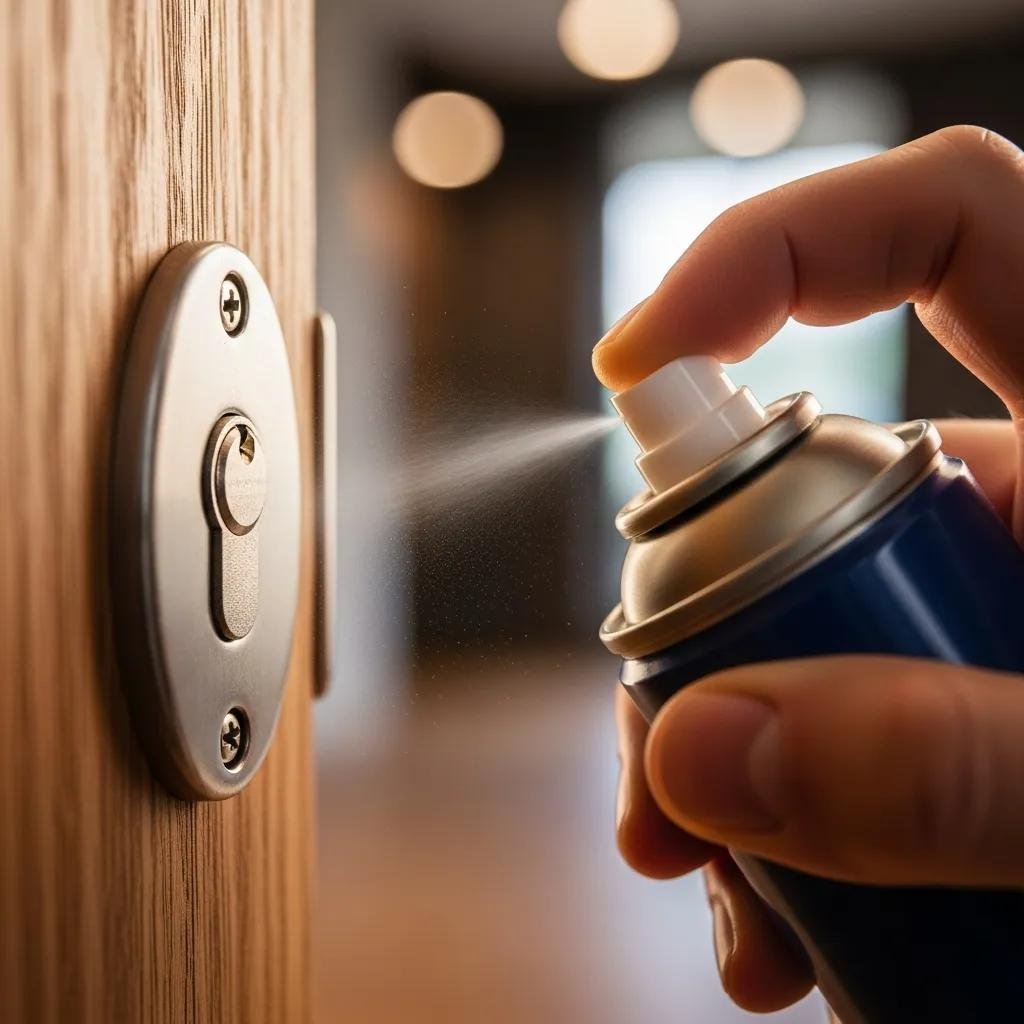
A sticky lock can be a frustrating experience, especially when you need to access your home, car, or office. Understanding how to properly lubricate a sticky lock is essential for maintaining its functionality and longevity. In this guide, we will explore the best practices for lubricating locks, specifically tailored for residents in Charlotte and the Lake Norman area. You will learn about the causes of sticky locks, the best lubricants to use, and the step-by-step process for effective lubrication. Additionally, we will discuss when it might be necessary to call a professional locksmith for assistance. By following these guidelines, you can ensure that your locks operate smoothly and efficiently.
What Causes a Lock to Become Sticky in Charlotte's Climate?
Locks can become sticky due to various environmental factors, particularly in the humid climate of Charlotte and the Lake Norman area. Understanding these causes is crucial for effective lock maintenance.
How Do Dirt, Dust, and Humidity Affect Lock Performance?
Humidity can lead to rust and corrosion within the lock mechanism, while dust and dirt accumulation can clog the internal components. These factors can significantly hinder the lock’s performance, making it difficult to turn the key or operate the lock. Regular cleaning and maintenance can help prevent these issues, ensuring that your locks function smoothly.
When Should You Lubricate Your Lock Versus Call a Locksmith?
It’s important to recognize the signs that indicate whether you should lubricate your lock or seek professional help. If the lock is simply stiff but still turns with some effort, lubrication may suffice. However, if you notice signs of wear, such as a key that won’t turn at all, a key that sticks, or a lock that feels loose or wobbly, it may be time to call a locksmith. Understanding these distinctions can save you time and money in the long run.
Which Lock Lubricants Are Best for Long-Lasting Smooth Operation?
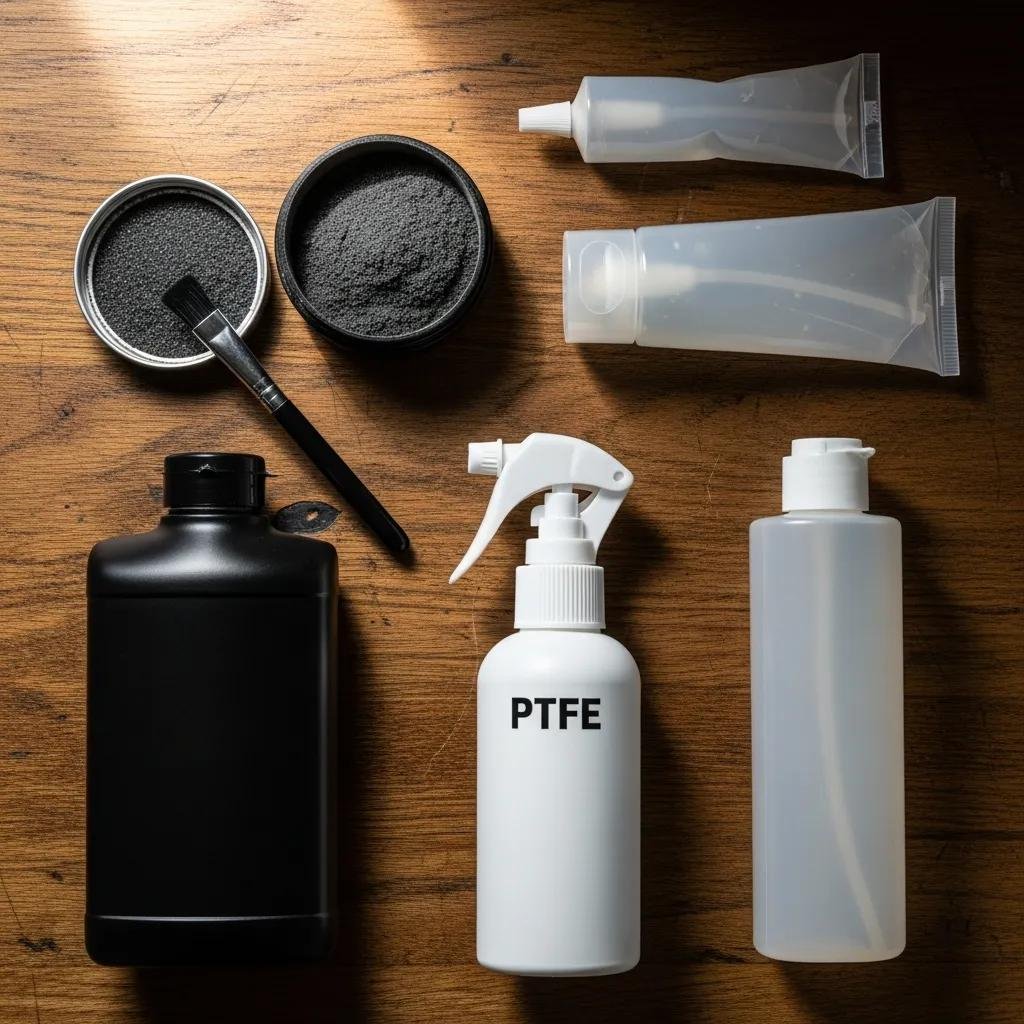
Choosing the right lubricant is essential for maintaining the functionality of your locks. Different types of lubricants offer various benefits, and knowing which to use can make a significant difference.
| Lubricant Type | Benefits | Recommended Use |
|---|---|---|
| Graphite | Repels dirt and moisture, does not gum up | Ideal for high-security locks and keyholes |
| PTFE (Teflon) | Reduces friction, long-lasting | Suitable for residential and commercial locks |
| Silicone | Water-resistant, protects against rust | Best for outdoor locks exposed to elements |
Using the right lubricant can enhance the longevity and performance of your locks, ensuring they operate smoothly for years to come.
What Are the Benefits of Dry Lubricants Like Graphite, PTFE, and Silicone?
Dry lubricants, such as graphite and PTFE, are preferred for locks because they repel dirt and moisture, preventing buildup that can cause stickiness. Unlike oil-based lubricants, they do not gum up mechanisms, providing long-lasting effects that keep locks functioning optimally. Silicone lubricants, while sometimes considered wet, are often used in spray form and provide water resistance and rust protection without attracting dirt.
Why Should You Avoid WD-40 and Oil-Based Lubricants for Locks?
While WD-40 and oil-based lubricants may seem convenient, they can attract dirt and grime, leading to more frequent maintenance needs. These lubricants can also create a sticky residue that hinders lock performance over time. WD-40 is primarily a solvent and water displacer, not a long-term lubricant, so it is not recommended for lock lubrication. For effective lock care, it’s best to stick with dry lubricants specifically designed for locks.
How to Lubricate Different Types of Locks: Step-by-Step Guide
What Are the General Lubrication Steps for Residential and Commercial Locks?
- Clean the Lock: Use a soft cloth to remove any dirt or debris from the lock surface.
- Apply Lubricant: Insert the lubricant nozzle into the keyhole and apply a small amount of lubricant.
- Work the Key: Insert the key and turn it several times to distribute the lubricant evenly throughout the mechanism.
- Wipe Excess: Remove any excess lubricant from the exterior of the lock to prevent attracting dirt.
Following these steps can help maintain the functionality of your residential and commercial locks.
How Do You Properly Lubricate Automotive Locks and Ignition Cylinders?
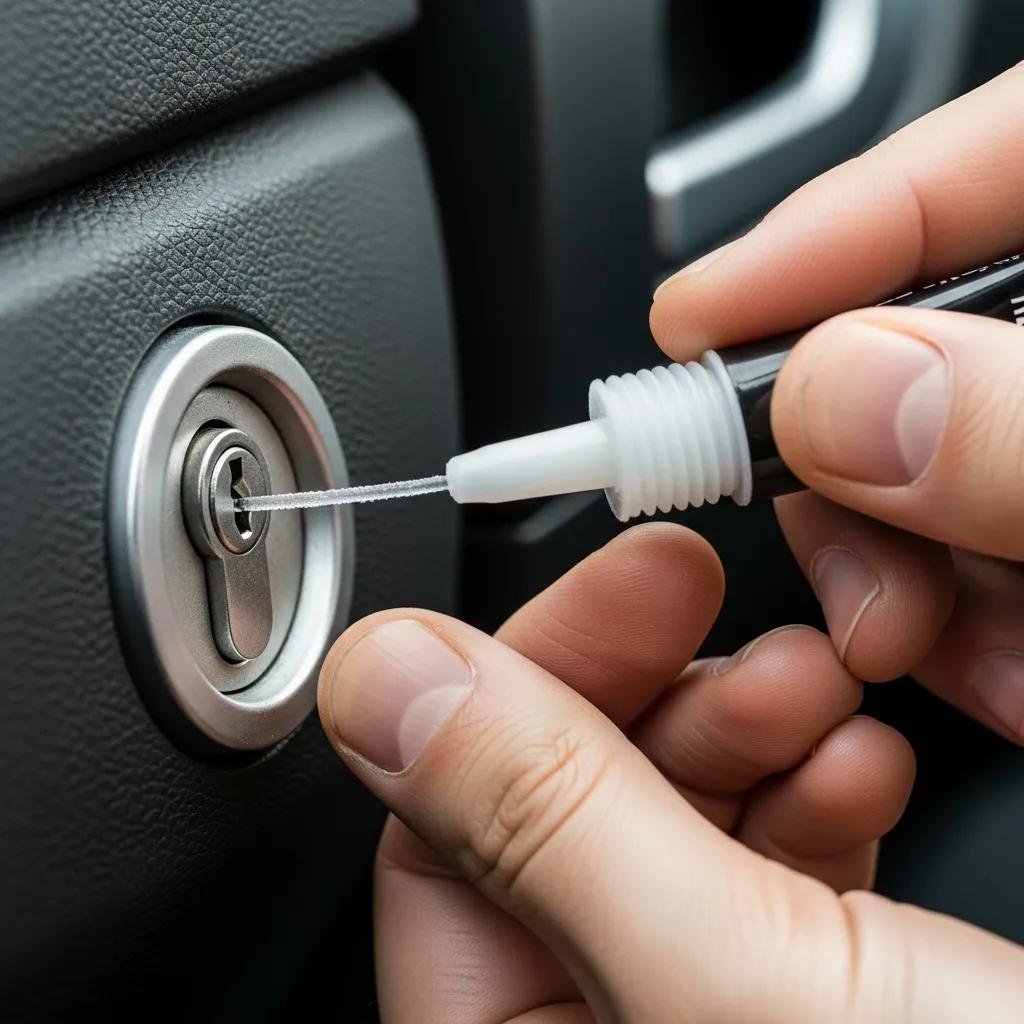
- Access the Lock: Ensure the vehicle is off and the key is removed.
- Clean the Area: Wipe the keyhole and surrounding area to remove dirt.
- Use the Right Lubricant: Apply a dry lubricant specifically designed for automotive locks, such as graphite or PTFE-based products.
- Insert the Key: Turn the key several times to ensure the lubricant reaches all internal components.
These steps will help keep your automotive locks and ignition cylinders operating smoothly.
How Often Should You Lubricate Your Locks in the Lake Norman Area?
What Is the Recommended Maintenance Schedule for Door Locks?
It is generally recommended to lubricate your door locks at least once every six months. However, if you notice any stiffness or difficulty in turning the key, it’s best to lubricate them immediately. Regular maintenance can prevent more significant issues down the line.
How Does Local Climate Influence Lubrication Frequency?
The humid climate in Charlotte and the Lake Norman area can accelerate the wear and tear on locks. Therefore, it may be beneficial to lubricate your locks more frequently during the summer months when humidity levels are higher. Keeping an eye on the performance of your locks can help you determine the best maintenance schedule.
When Is Professional Locksmith Help Needed for Sticky Locks?
What Are the Signs That Indicate Lock Repair or Replacement Is Required?
If you notice that your lock is consistently difficult to turn, if the key breaks off in the lock, or if the lock feels loose or wobbly, these are signs that professional help is needed. Additionally, if lubrication does not improve lock function, it may require repair or replacement to ensure security.
How Can My Locksmith Express Assist with Lock Repair and Emergency Services?
My Locksmith Express offers a range of services, including lock repair and emergency assistance for sticky locks. With 24/7 availability, our team can quickly address any lock issues you may encounter, ensuring your home or vehicle remains secure. Whether you need a simple lubrication or a complete lock replacement, we are here to help.