Table of Contents
ToggleDIY Troubleshooting: Steps to Fix a Sticking Door LockHow to Fix a Sticking Door Lock: DIY Troubleshooting Guide for Effective Lock Repair
A sticking door lock can be a frustrating issue, often leading to inconvenience and security concerns. Understanding how to troubleshoot and fix this problem can save you time and money, allowing you to regain access to your home or vehicle without the need for professional help. In this guide, we will explore the common causes of sticking door locks, essential tools and lubricants for repair, and step-by-step instructions for effective DIY solutions. By the end of this article, you will be equipped with the knowledge to address sticking locks confidently and efficiently.
What Causes a Door Lock to Stick and How Can You Identify These Issues?
A sticking door lock can result from various factors, including dirt accumulation, lack of lubrication, or mechanical wear. Identifying the root cause is crucial for effective troubleshooting. Common signs of a sticking lock include difficulty turning the key, a key that feels stuck, or a lock that does not engage properly. Environmental factors, such as humidity and temperature changes, can also contribute to lock issues, causing components to expand or contract.
How Do Dirt and Debris Affect Door Lock Functionality?
Dirt and debris can significantly impact the functionality of a door lock. Over time, particles can accumulate in the keyhole and lock cylinder, leading to friction and hindering smooth operation. Regular cleaning is essential to maintain lock performance. Using a can of compressed air or a small brush can help remove dirt and debris, ensuring that the lock operates smoothly.
What Role Does Lack of Lubrication Play in Lock Sticking?
Lack of lubrication is a primary cause of sticking locks. Without proper lubrication, the internal components of the lock can become dry and corroded, leading to increased friction and difficulty in operation. Regularly applying a suitable lubricant can prevent these issues. Graphite powder is a commonly recommended lubricant for locks because it does not attract dust and dirt. Silicone spray can also be used but should be applied carefully, as some silicone sprays may attract dust over time.
Which Tools and Lubricants Are Essential for DIY Door Lock Repair?
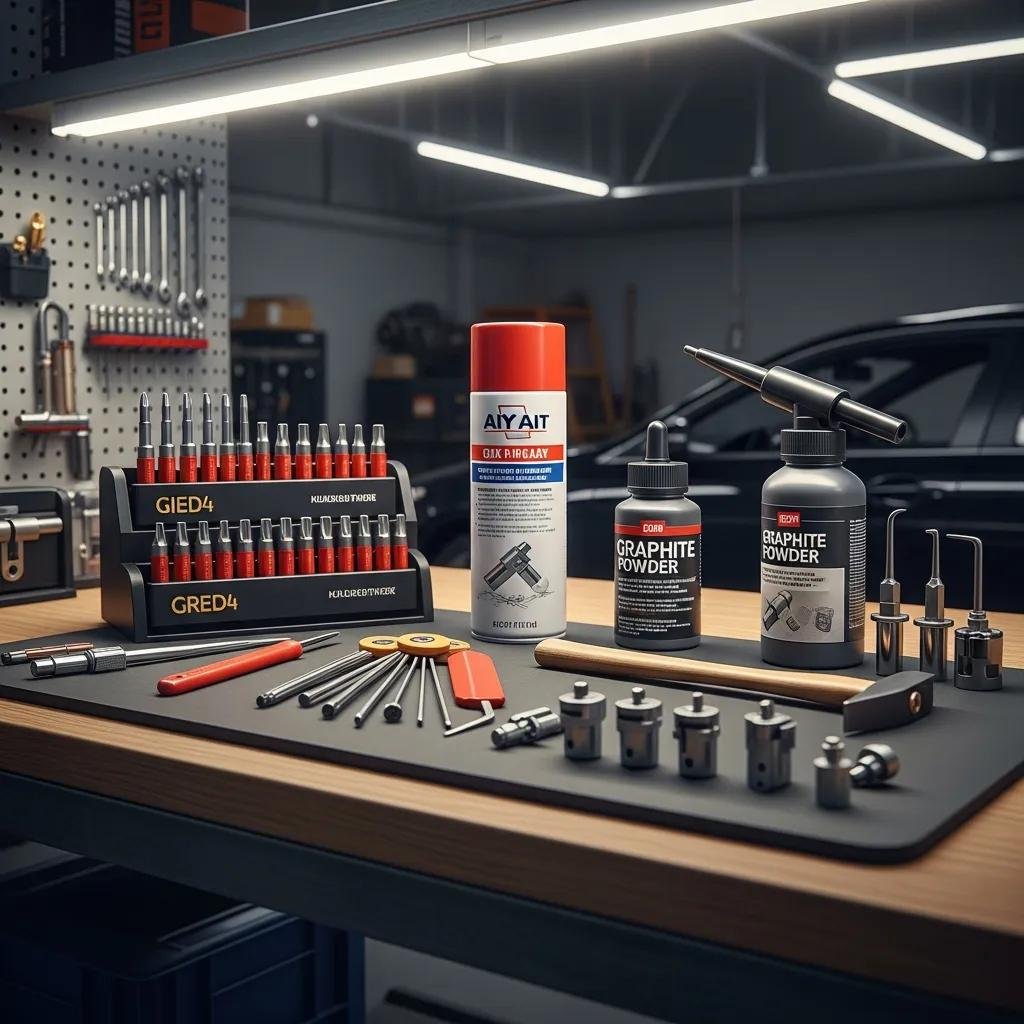
When tackling a sticking door lock, having the right tools and lubricants is essential for a successful repair. A few basic tools can make the process easier and more efficient.
- Screwdriver: Necessary for removing the lock from the door.
- Compressed Air: Useful for blowing out dirt and debris from the lock.
- Lubricants: Graphite powder is recommended for lubricating the lock; silicone spray can be used cautiously.
Why Use Graphite Powder and Silicone Spray for Lubricating Door Locks?
Graphite powder is a preferred lubricant for door locks because it does not attract dust and dirt, ensuring long-lasting performance. Silicone spray provides a moisture barrier that protects against rust and corrosion but may attract dust if overapplied. Both lubricants can help restore smooth operation to a sticking lock, making them useful for DIY repair.
What Basic Tools Do You Need for Door Lock Troubleshooting?
To effectively troubleshoot a sticking door lock, you will need the following basic tools:
- Screwdriver: For disassembling the lock if necessary.
- Compressed Air: To clean out any debris.
- Lubricant: Graphite powder is preferred; silicone spray can be used with caution.
Having these tools on hand will streamline the troubleshooting process and help you address the issue more effectively.
What Are the Step-by-Step Instructions to Fix a Sticking Door Lock Yourself?
Fixing a sticking door lock can be accomplished with a few straightforward steps. Following these instructions will help you restore functionality to your lock.
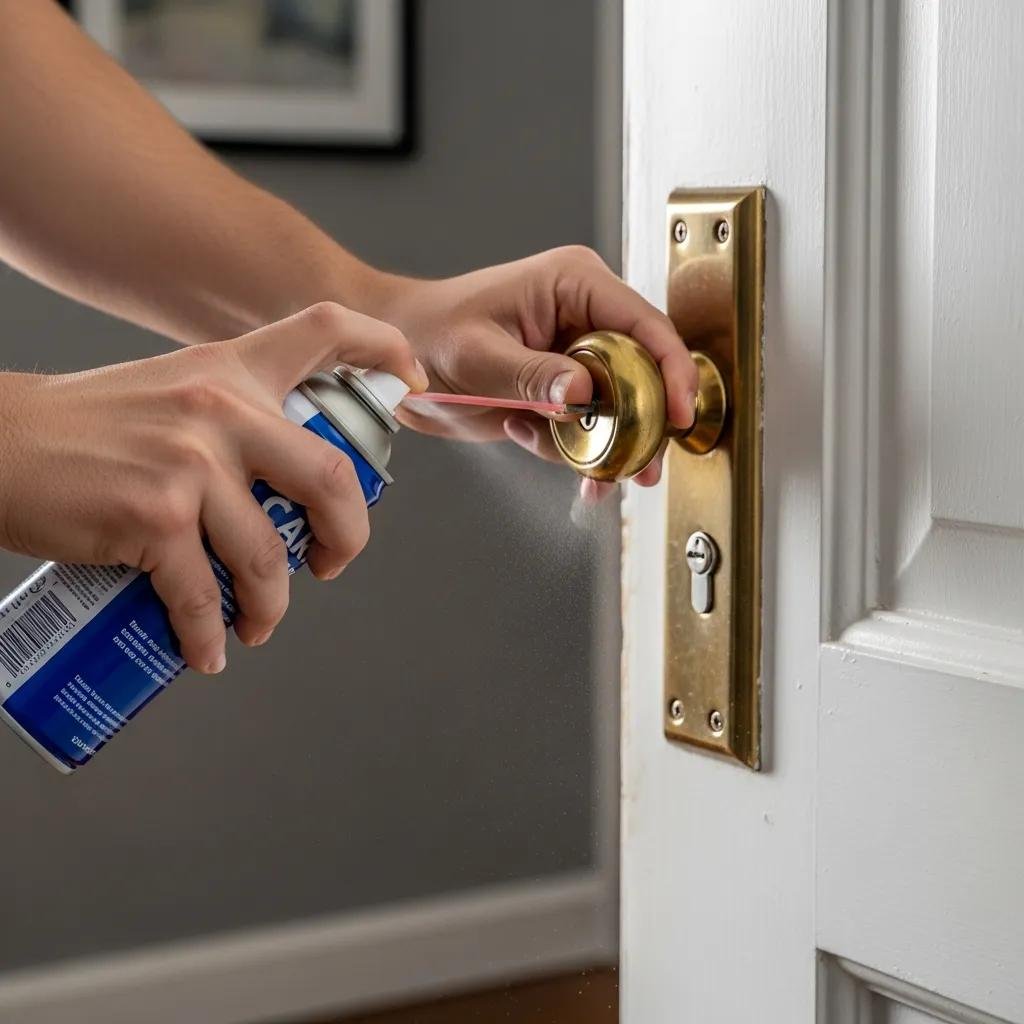
- Clean the Keyhole and Lock Cylinder: Use compressed air to blow out any dirt or debris from the keyhole. If necessary, use a small brush to remove stubborn particles.
- Lubricate the Lock: Apply a small amount of graphite powder into the keyhole and around the lock cylinder. If using silicone spray, apply sparingly. Ensure that the lubricant penetrates the internal components.
- Test the Lock: Insert the key and turn it several times to distribute the lubricant evenly. If the lock still sticks, you may need to disassemble it for a more thorough cleaning.
How to Clean the Keyhole and Lock Cylinder Effectively?
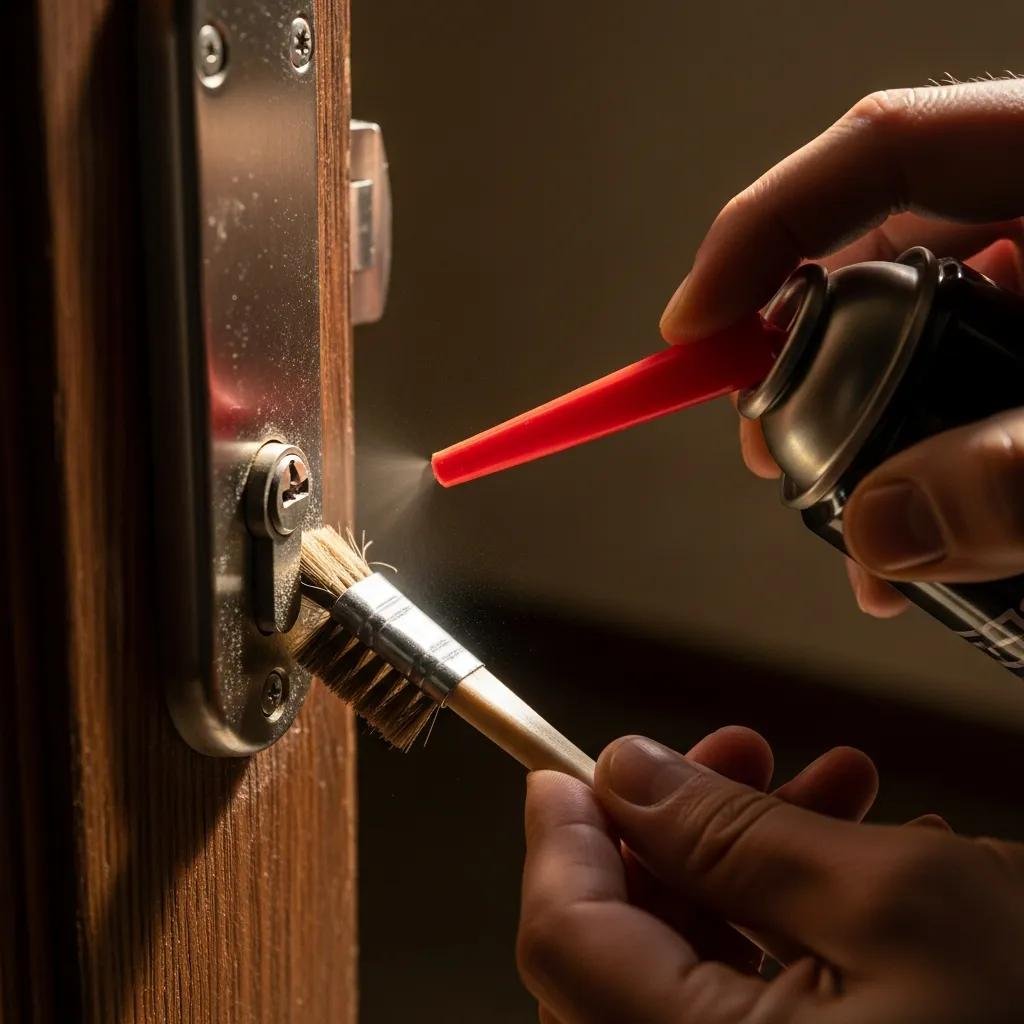
To clean the keyhole and lock cylinder effectively, follow these steps:
- Use a can of compressed air to blow out any loose dirt and debris.
- If dirt remains, gently use a small brush to scrub the area around the keyhole.
- Ensure that no debris is left inside the lock before proceeding to lubrication.
How to Lubricate the Door Lock and Inspect Key Condition?
Lubricating the door lock is a simple process:
- Apply a small amount of graphite powder into the keyhole.
- Insert the key and turn it several times to ensure the lubricant spreads throughout the lock.
- Inspect the key for any signs of wear or damage, as a damaged key can also contribute to lock sticking.
How Can You Troubleshoot Specific Door Lock Problems Like a Stuck Key or Deadbolt?
Troubleshooting specific door lock problems requires a focused approach. Common issues include a stuck key or a deadbolt that won’t engage.
What Are the Solutions for a Deadbolt That Won't Engage?
If your deadbolt won’t engage, check for the following:
- Ensure the key is fully inserted and turned correctly.
- Inspect the deadbolt for any visible obstructions or damage.
- Lubricate the deadbolt mechanism to ensure smooth operation.
How to Address a Key That Won't Turn in the Lock?
If the key won’t turn in the lock, consider these steps:
- Remove the key and clean the keyhole as described earlier.
- Apply lubricant to the keyhole and try inserting the key again.
- If the key still won’t turn, the lock may need to be disassembled for further inspection.
When Should You Call a Professional Locksmith for Door Lock Repair in Charlotte NC?
While many door lock issues can be resolved through DIY methods, some situations require professional assistance. Knowing when to call a locksmith can save you time and prevent further damage.
What Are the Signs That Indicate Professional Lock Repair Is Needed?
Signs that indicate you may need professional lock repair include:
- The lock is severely damaged or broken.
- Multiple keys are unable to turn in the lock.
- You experience repeated sticking issues despite cleaning and lubrication.
How Does My Locksmith Express Provide Fast and Reliable Lock Repair Services?
My Locksmith Express is a 24/7 mobile locksmith service operating in the Charlotte, NC area and Lake Norman region, including Cornelius, Huntersville, and Davidson. The company is licensed and insured, offering automotive, residential, and commercial locksmith services. If you encounter persistent lock issues, contacting a professional locksmith can ensure a thorough and effective repair.