
Table of Contents
ToggleHow Fingerprint & Facial Recognition Secure Biometric LocksBiometric Locks: How Fingerprint and Facial Recognition Work for Secure Access
Biometric locks are revolutionizing security by utilizing unique physical characteristics for access control. This article delves into how fingerprint and facial recognition technologies work, enhancing security for both residential and commercial properties. Readers will learn about the mechanisms behind biometric locks, their benefits, and the various types available in the market. As security concerns grow, understanding these advanced locking systems becomes essential for safeguarding homes and businesses. We will explore the intricacies of biometric technology, its installation and maintenance, and the security considerations that come with it.
What Are Biometric Locks and How Do They Enhance Security?
Biometric locks are advanced security devices that use unique biological traits, such as fingerprints or facial features, to grant access.
These locks enhance security by providing a level of authentication that traditional keys cannot match. Unlike conventional locks, which can be picked or duplicated, biometric locks rely on the distinctiveness of an individual’s physical characteristics, making unauthorized access significantly more difficult.
The key features of biometric locks include their ability to store multiple user profiles, quick access times, and integration with smart home systems. These features not only improve security but also offer convenience for users. For instance, a family can program their biometric lock to recognize each member’s fingerprint, allowing for seamless entry without the need for keys.
Incorporating biometric locks into residential and commercial settings can drastically reduce the risk of unauthorized access. By eliminating the need for physical keys, which can be lost or stolen, these locks provide a more secure and user-friendly solution. My Locksmith Express, a 24/7 mobile locksmith service based in Charlotte, NC, offers installation and maintenance services for these advanced locking systems, helping to ensure that your property remains secure.
What Is a Biometric Lock and Its Key Features?
- Unique Identification: Each lock can recognize and store multiple fingerprints or facial profiles, allowing for personalized access.
- User Convenience: Users can gain entry without the hassle of carrying keys, making it easier for families and businesses.
- Enhanced Security: The reliance on unique biological traits makes it difficult for unauthorized individuals to gain access.
These features make biometric locks an attractive option for those looking to enhance their security measures.
How Do Biometric Locks Improve Residential and Commercial Security?
Biometric locks significantly improve security in both residential and commercial settings by providing advanced access control. In residential areas, these locks can prevent unauthorized entry, reducing the risk of break-ins. For businesses, they offer a way to manage employee access to sensitive areas, ensuring that only authorized personnel can enter.
The implementation of biometric locks can lead to increased access control, as they can be programmed to allow or deny entry based on the recognized biometric data. This capability is particularly beneficial in commercial environments where different levels of access are required for various employees. Additionally, the user-friendly nature of biometric locks encourages compliance with security protocols, as individuals are less likely to forget or lose their access credentials.
How Does Fingerprint Recognition Technology Work in Biometric Locks?
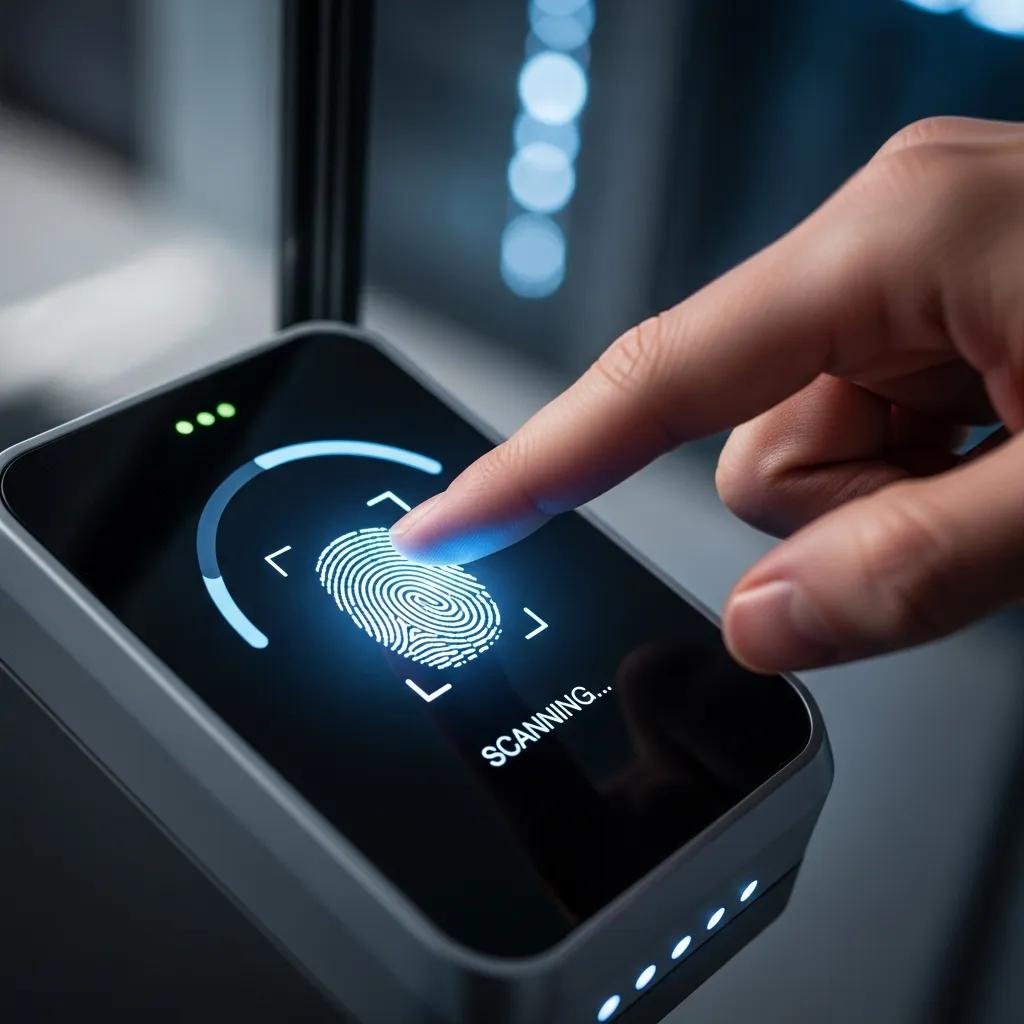
Fingerprint recognition technology is a widely used method in biometric locks, relying on the unique patterns of ridges and valleys found on an individual’s fingertips. This technology works by scanning the fingerprint and comparing it to stored data to verify identity.
What Is Fingerprint Recognition and How Is It Used in Locks?
Fingerprint recognition is a biometric technology that identifies individuals based on their unique fingerprint patterns. In biometric locks, this technology is utilized to enhance security by ensuring that only authorized users can gain access. The process involves capturing a fingerprint image, converting it into a digital format, and storing it for future reference.
This method is highly effective due to the uniqueness of each person’s fingerprints, making it a reliable form of authentication. Fingerprint recognition is commonly used in various applications, including smartphones, security systems, and access control devices.
What Are the Sensor Technologies and Data Processing Methods Behind Fingerprint Locks?
Fingerprint locks utilize various sensor technologies to capture and process fingerprint data. Common sensor types include optical sensors, capacitive sensors, and ultrasonic sensors.
- Optical Sensors: These sensors use light to capture a fingerprint image, providing a visual representation of the fingerprint pattern.
- Capacitive Sensors: These sensors measure the electrical charge differences between the ridges and valleys of a fingerprint, creating a detailed map of the fingerprint.
- Ultrasonic Sensors: These sensors use sound waves to capture a 3D image of the fingerprint, offering enhanced accuracy and security.
Once the fingerprint is captured, data processing methods convert the image into a digital template, which is then compared to stored templates for authentication. This combination of advanced sensor technology and data processing ensures that fingerprint locks provide a high level of security.
How Does Facial Recognition Technology Operate in Biometric Door Locks?
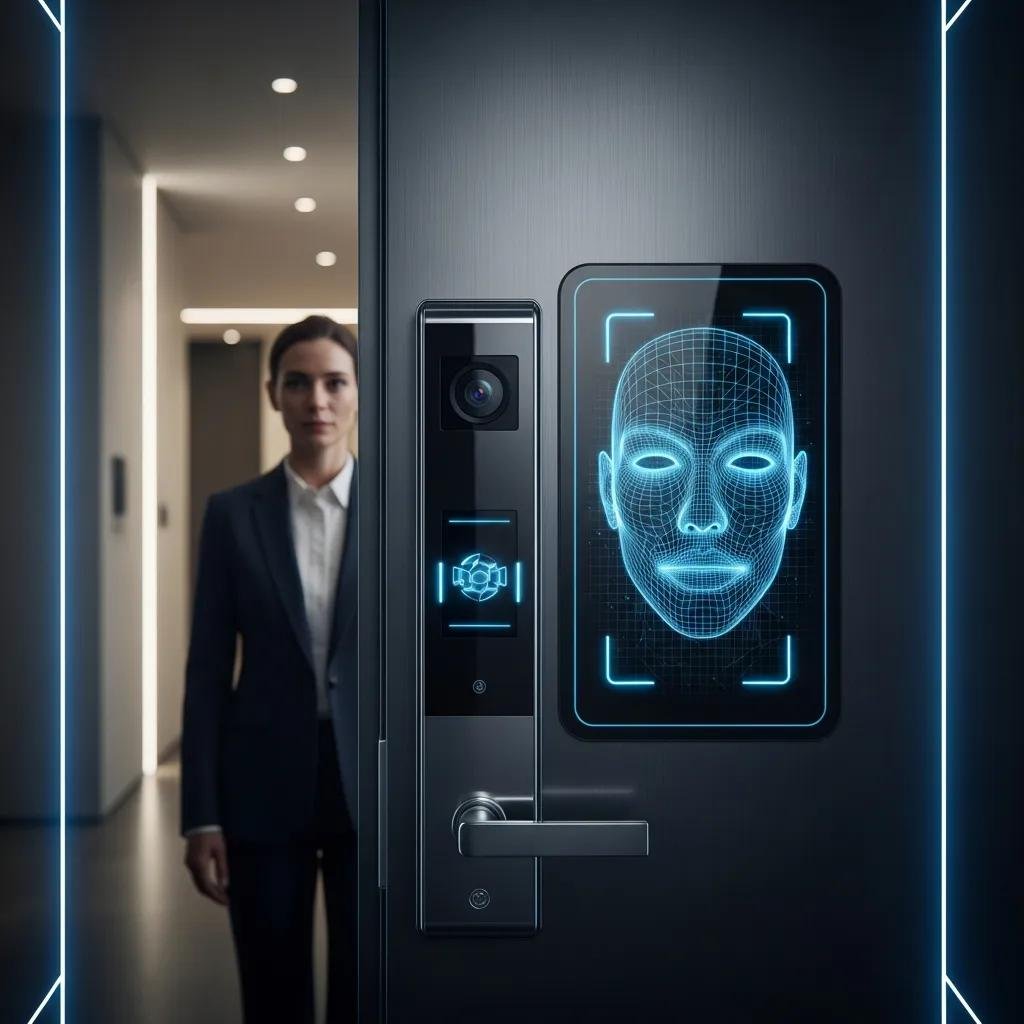
Facial recognition technology is another innovative method used in biometric locks, relying on the unique features of an individual’s face for authentication. This technology operates by analyzing facial characteristics and comparing them to stored data to verify identity.
What Is Facial Recognition and Its Role in Access Control?
Facial recognition is a biometric technology that identifies individuals based on their facial features. In access control systems, this technology enhances security by ensuring that only authorized users can gain entry. The process involves capturing a facial image, analyzing key features, and comparing them to stored templates for verification.
This method is particularly useful in high-security environments, where traditional access methods may be insufficient. Facial recognition technology provides a contactless and efficient way to authenticate users, making it an ideal choice for modern security systems.
How Do Cameras, Algorithms, and Liveness Detection Ensure Secure Facial Recognition?
Facial recognition systems rely on a combination of cameras, algorithms, and liveness detection to ensure secure authentication.
- Cameras: High-resolution cameras capture detailed images of the user’s face, providing the necessary data for analysis.
- Algorithms: Advanced algorithms analyze facial features and create a digital template for comparison. These algorithms are designed to minimize false positives and ensure accurate identification.
- Liveness Detection: This feature ensures that the system is recognizing a live person rather than a photograph or video. Techniques such as analyzing facial movements or detecting changes in lighting help verify that the user is present.
Together, these components create a robust facial recognition system that enhances security and reduces the risk of unauthorized access.
What Types of Biometric Locks Are Available for Homes and Businesses?
Which Fingerprint and Facial Recognition Locks Are Commonly Installed?
- Fingerprint Door Locks: These locks use fingerprint recognition technology to grant access, making them ideal for residential and commercial use.
- Facial Recognition Door Locks: These locks utilize facial recognition technology for authentication, providing a contactless access solution.
- Smart Lock Systems: Many biometric locks integrate with smart home systems, allowing for remote access and monitoring.
These options cater to different security needs, ensuring that users can find a solution that fits their requirements.
How Do Biometric Access Control Systems Differ for Residential and Commercial Use?
- Residential Systems: Typically focus on user convenience and ease of access, allowing family members to enter without keys. They often feature fingerprint or facial recognition technology for quick authentication.
- Commercial Systems: Designed for higher security needs, these systems may include advanced features such as multi-factor authentication, access logs, and integration with existing security systems. They often require more robust data processing capabilities to handle multiple users and access levels.
Understanding these differences is crucial for selecting the right biometric lock for your specific needs.
How Are Biometric Locks Installed and Maintained by My Locksmith Express in Charlotte, NC?
The installation and maintenance of biometric locks require professional expertise to ensure optimal performance and security. My Locksmith Express specializes in these services, providing reliable solutions for both residential and commercial clients.
What Is the Professional Installation Process for Fingerprint and Facial Recognition Locks?
- Assessment: A locksmith evaluates the property to determine the best location for the lock.
- Preparation: The area is prepared for installation, which may involve drilling or modifying the door.
- Installation: The biometric lock is installed according to the manufacturer’s specifications, ensuring proper alignment and functionality.
- Testing: The lock is tested to confirm that it operates correctly and securely.
This thorough process ensures that the lock functions as intended and provides the highest level of security.
How Does Emergency Repair and Maintenance Support Ensure Lock Reliability?
- Regular Testing: Periodic testing of the lock’s functionality to ensure it operates smoothly.
- Software Updates: Keeping the lock’s software up to date to protect against vulnerabilities.
- Emergency Repairs: Providing quick response services in case of lock malfunctions or failures.
By utilizing professional locksmith services, property owners can ensure that their biometric locks remain reliable and secure over time.
What Are the Security and Privacy Considerations of Using Biometric Locks?
While biometric locks offer enhanced security, they also raise important security and privacy considerations. Understanding these factors is crucial for users to make informed decisions about their security systems.
How Is Biometric Data Protected Through Encryption and On-Device Storage?
Biometric data protection is critical to maintaining user privacy. Most biometric locks employ encryption methods to secure stored data, ensuring that it cannot be easily accessed or compromised. Additionally, many systems utilize on-device storage, meaning that biometric data is stored locally rather than transmitted to external servers. This approach minimizes the risk of data breaches and unauthorized access.
What Are Common Myths About Biometric Lock Hacking and How Are They Addressed?
Several myths surround the security of biometric locks, particularly regarding hacking. Common misconceptions include the belief that biometric data can be easily replicated or that these systems are infallible. In reality, while no system is entirely immune to attacks, biometric locks are designed with multiple layers of security to mitigate risks.
Education about these myths is essential for users to understand the true capabilities and limitations of biometric technology. By addressing these concerns, users can make informed decisions about their security measures and feel confident in their choice of biometric locks.