Table of Contents
ToggleHow to Maintain Your Door Locks for Longevity: Essential Door Lock Maintenance Tips and Best Practices
Maintaining your door locks is crucial for ensuring their longevity and functionality. Proper lock maintenance not only enhances security but also prevents costly repairs and replacements. In this article, we will explore essential tips and best practices for maintaining your door locks, ensuring they remain in optimal condition for years to come. Many homeowners overlook the importance of regular maintenance, leading to issues such as sticking locks or complete lock failure. By following the guidelines outlined here, you can effectively care for your locks and avoid common problems. We will cover key components of door locks, cleaning methods, lubrication techniques, troubleshooting common issues, and the impact of environmental factors, particularly in the Charlotte, NC area.
What Are the Key Components of Your Door Locks to Understand for Proper Maintenance?
Understanding the components of your door locks is essential for effective maintenance. Door locks consist of several key parts, each playing a vital role in their overall functionality. Familiarizing yourself with these components allows you to identify potential issues and perform necessary maintenance tasks.
Which Types of Door Locks Require Different Maintenance Approaches?
Different types of door locks require varying maintenance approaches. For instance, deadbolts typically need less frequent maintenance compared to smart locks, which may require software updates and battery replacements. Knob locks, on the other hand, may need regular lubrication to prevent sticking. Understanding these differences helps ensure that each lock type receives the appropriate care.
What Are the Main Parts of a Door Lock and Their Functions?
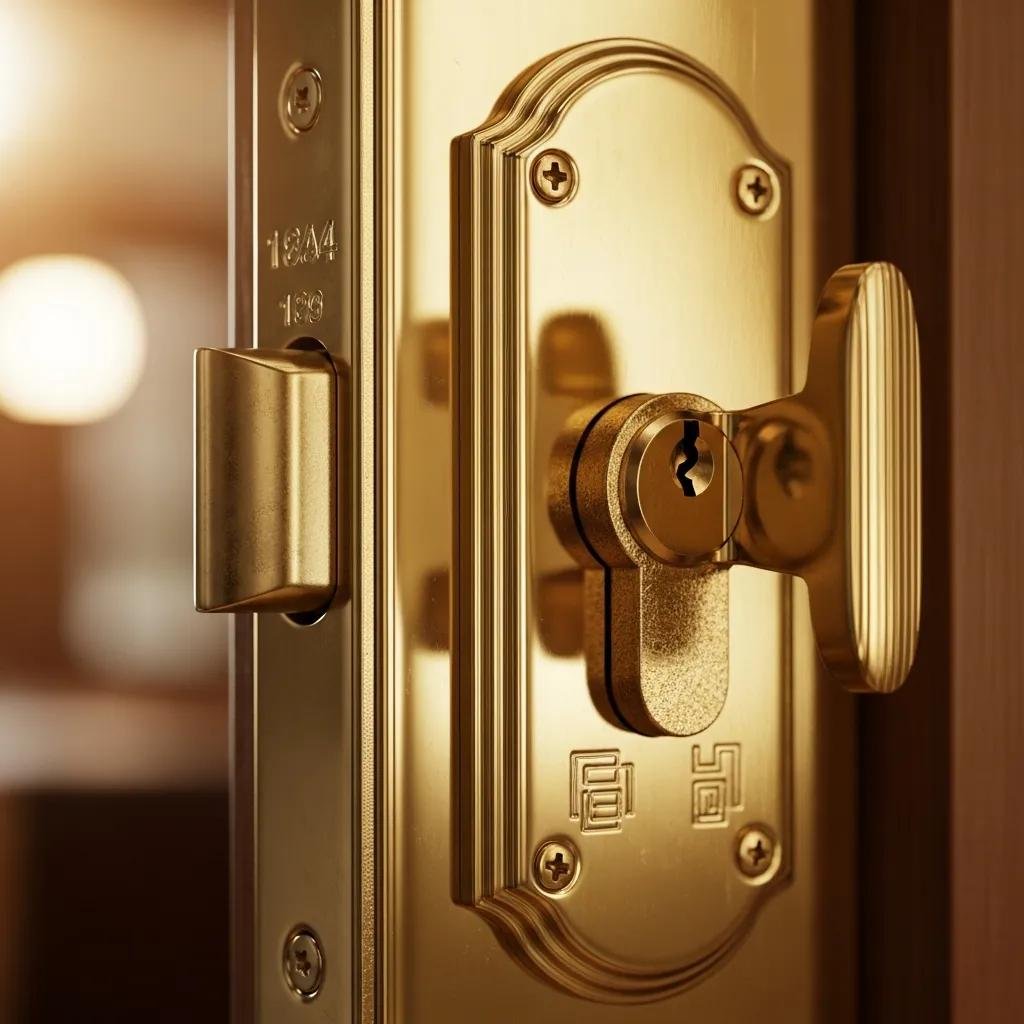
A door lock comprises several main parts, including the cylinder, keyway, and strike plate. The cylinder is the core component that houses the locking mechanism, while the keyway is the slot where the key is inserted. The strike plate is the metal plate attached to the door frame that the lock engages with when closed. Each part contributes to the lock’s overall functionality, and knowing their roles can aid in troubleshooting and maintenance.
How Do You Clean Your Door Locks Effectively to Prevent Wear and Tear?
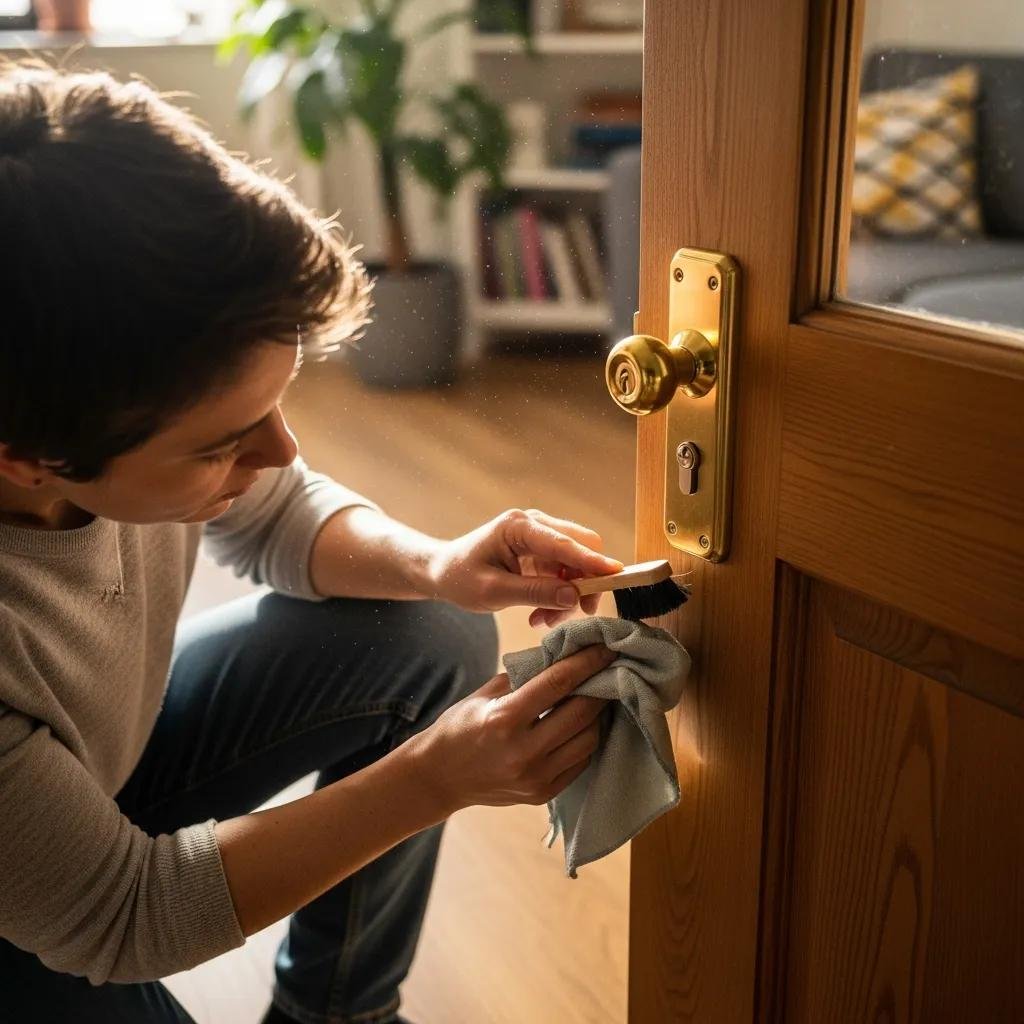
Cleaning your door locks is a vital step in preventing wear and tear. Regular cleaning helps remove dirt, dust, and debris that can hinder the lock’s operation.
What Are the Step-by-Step Methods for Cleaning Door Locks Safely?
To clean your door locks safely, follow these steps:
- Gather Supplies: You will need a soft cloth, a small brush, and a suitable cleaning solution.
- Remove Dirt: Use the brush to gently remove any dirt or debris from the keyway and surrounding areas.
- Wipe Down: Dampen the cloth with the cleaning solution and wipe down the exterior of the lock.
- Dry Thoroughly: Ensure the lock is completely dry before reassembling any parts.
Which Tools and Materials Are Best for Door Lock Cleaning?
The best tools for cleaning door locks include:
- Soft Cloth: For wiping down surfaces without scratching.
- Small Brush: To reach into tight spaces and remove debris.
- Cleaning Solution: A mild soap solution or specialized lock cleaner is ideal.
Avoid using harsh chemicals that could damage the lock’s finish or internal components.
What Is the Best Lubricant for Door Locks and How Often Should You Lubricate Them?
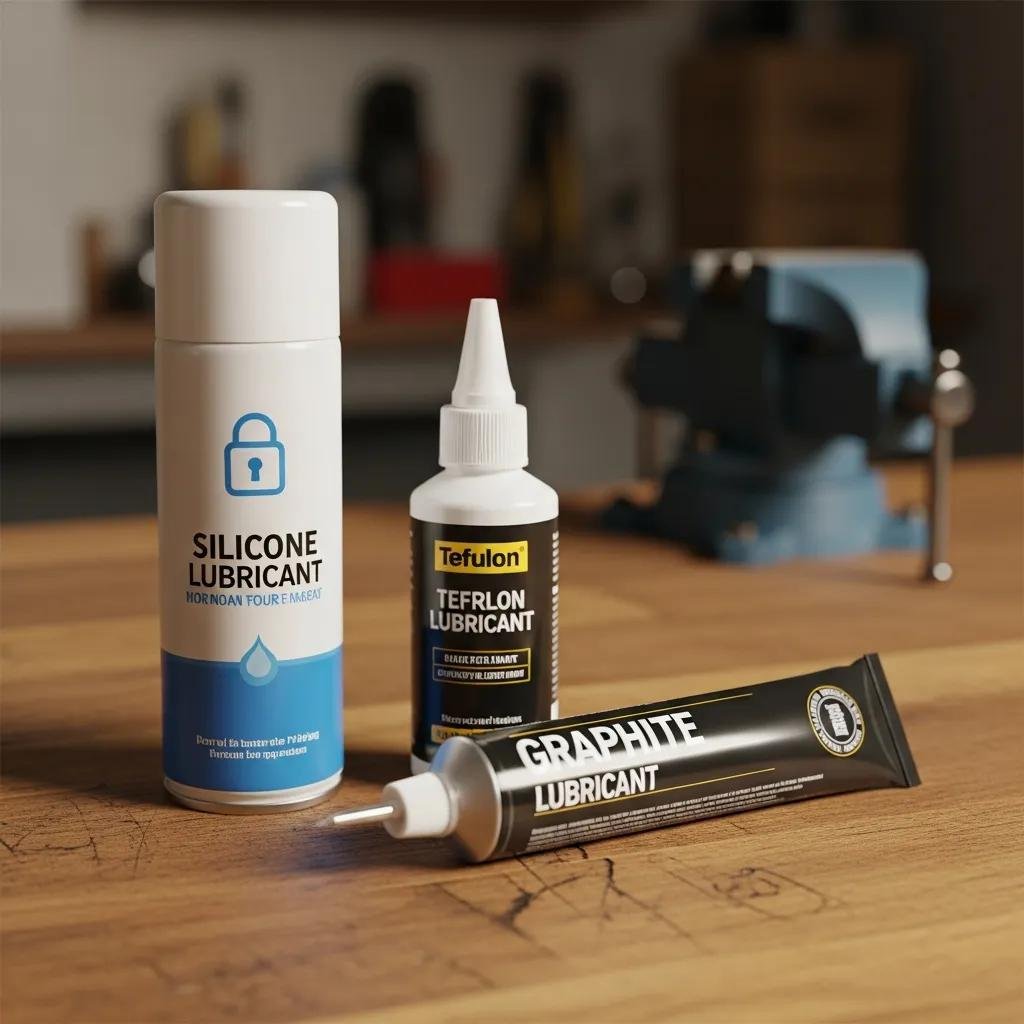
Lubrication is crucial for maintaining the smooth operation of door locks. The right lubricant can prevent sticking and ensure longevity.
How Do Graphite, Silicone, and Teflon-Based Lubricants Compare for Door Lock Care?
Different lubricants offer various benefits:
| Lubricant Type | Application Method | Frequency |
|---|---|---|
| Graphite | Apply directly into the keyway | Every 6 months |
| Silicone | Spray on exterior and keyway | Every 3-6 months |
| Teflon | Apply with a cloth to moving parts | Every 6 months |
Graphite is often recommended for its ability to lubricate without attracting dust, while silicone provides a protective barrier against dirt and moisture. Teflon-based lubricants are excellent for reducing friction.
When and How Frequently Should You Apply Lubricant to Your Door Locks?
Lubrication frequency depends on usage and environmental factors. Generally, it is advisable to lubricate your locks every three to six months. However, if you notice any sticking or difficulty in turning the key, it may be time to apply lubricant sooner.
How Can You Identify and Fix Common Door Lock Problems Like Sticking or Misalignment?
Identifying and fixing common door lock problems is essential for maintaining security and functionality.
What Causes Door Locks to Stick or Jam and How Can You Troubleshoot Them?
Sticking or jamming locks can be caused by dirt buildup, lack of lubrication, or misalignment. To troubleshoot, first, clean the lock and apply lubricant. If the problem persists, check for misalignment by ensuring the door is properly fitted in its frame.
How Do You Check and Correct Door Alignment to Improve Lock Functionality?
To check door alignment, observe the gap between the door and the frame. If the door is misaligned, adjust the hinges or strike plate to ensure a proper fit. This adjustment can significantly improve lock functionality and prevent future issues.
How Do Environmental Factors in Charlotte, NC Affect Door Lock Longevity and Maintenance?
Environmental factors play a significant role in the longevity and maintenance of door locks. In Charlotte, NC, humidity and temperature fluctuations can impact lock performance.
What Seasonal Tips Help Protect Door Locks from Humidity and Weather in Charlotte?
To protect your locks from humidity and weather, consider the following tips:
- Use Weather Stripping: Install weather stripping around doors to minimize moisture exposure.
- Regular Lubrication: Increase lubrication frequency during humid months to prevent rust and sticking.
- Inspect Regularly: Check locks for signs of wear or corrosion, especially after severe weather.
How Does Local Climate Influence the Choice of Lubricants and Cleaning Methods?
In humid climates like Charlotte, silicone-based lubricants are often preferred due to their moisture-repelling properties. Additionally, using a cleaner that prevents rust can help maintain lock integrity in such environments.
When Should You Call a Professional Locksmith for Door Lock Maintenance and Repairs?
Knowing when to call a professional locksmith is crucial for maintaining your door locks effectively.
What Are the Signs That Indicate Professional Lock Inspection Is Needed?
Signs that indicate a need for professional inspection include:
- Difficulty Turning the Key: If the key is hard to turn, it may indicate internal damage.
- Visible Wear: Look for signs of rust or corrosion on the lock.
- Frequent Jamming: If the lock frequently jams despite cleaning and lubrication, it may require professional attention.
How Does My Locksmith Express Provide Expert Lock Maintenance Services in Charlotte, NC?
My Locksmith Express offers expert lock maintenance services in Charlotte, NC, including emergency car lockouts, key replacement, and residential lock services. With a commitment to fast response and professional service, they ensure your locks are maintained to the highest standards. Their transparent, upfront pricing makes it easy to understand the costs associated with lock maintenance and repairs.