
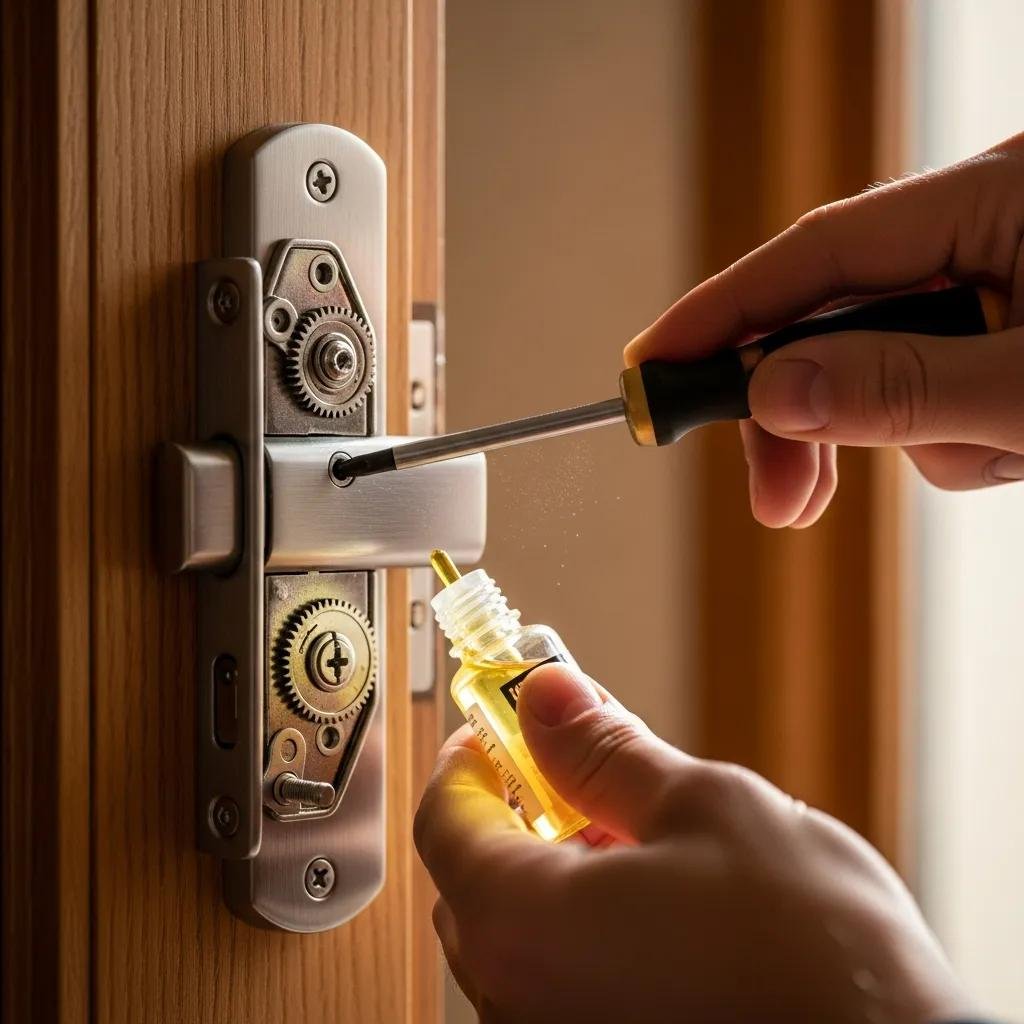
Table of Contents
ToggleHow to Adjust a Door Latch: Complete DIY Guide for Secure and Smooth Door Operation
A properly functioning door latch is essential for both security and convenience in any home. This comprehensive guide will walk you through the process of adjusting a door latch, ensuring that your doors operate smoothly and securely. Many homeowners face issues with door latches that fail to catch or engage properly, leading to frustration and potential security risks. By following the steps outlined in this guide, you can effectively troubleshoot and resolve common latch problems. We will cover various topics, including common door latch issues, necessary tools for adjustment, techniques for fixing alignment problems, and when to seek professional help.
What Are the Common Door Latch Problems and How Do They Affect Your Door?
Door latches can encounter several issues that affect their functionality and security. Understanding these problems is the first step in ensuring your door operates correctly.
Which Issues Cause a Door Latch Not to Catch or Engage Properly?
Common issues that prevent a door latch from catching include misalignment, dirt buildup, and wear and tear. Misalignment often occurs due to shifting in the door frame, changes in humidity causing wood expansion or contraction, or improper installation. Signs of misalignment include difficulty in closing the door or a latch that does not engage fully. Regular maintenance can help identify these issues early, preventing more significant problems down the line.
How Does a Loose or Stiff Door Latch Impact Security and Functionality?
A loose or stiff door latch can significantly compromise security. A loose latch may not hold the door securely, making it easier for intruders to gain access. Conversely, a stiff latch can make it difficult to operate the door, leading to frustration. Both conditions can be addressed through simple adjustments, ensuring that your door remains secure and functional.
What Tools and Materials Do You Need to Adjust a Door Latch Yourself?
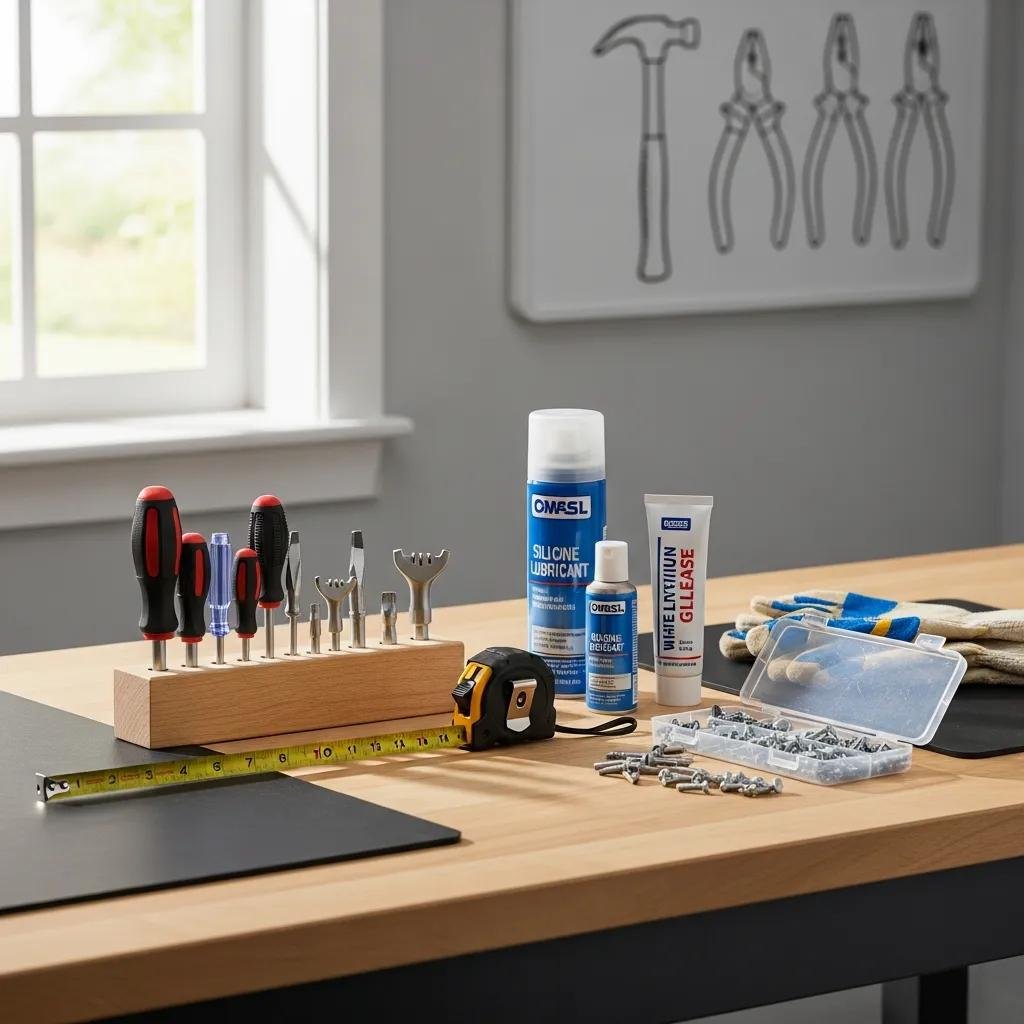
Before you begin adjusting your door latch, it’s essential to gather the right tools and materials to ensure a smooth process.
Which Screwdrivers and Lubricants Are Best for Door Latch Adjustment?
For most door latch adjustments, Phillips and flathead screwdrivers are necessary. Additionally, a high-quality lubricant, such as silicone spray or graphite powder, can help ensure smooth operation. These tools will allow you to tighten screws and apply lubricant effectively, enhancing the latch’s performance.
How to Prepare Your Workspace for Safe and Effective Door Latch Repair?
Preparing your workspace is crucial for a successful repair. Ensure you have adequate lighting and a clean area to work. Gather all necessary tools and materials beforehand to avoid interruptions. Safety precautions, such as wearing gloves and goggles, can also help protect you during the adjustment process.
How Do You Adjust a Door Strike Plate to Fix Latch Alignment Issues?
Adjusting the door strike plate is a critical step in fixing latch alignment issues. This process involves repositioning the strike plate to ensure proper engagement with the latch.
What Are the Steps to Identify and Correct a Misaligned Strike Plate?
To identify a misaligned strike plate, close the door and observe where the latch meets the plate. If the latch does not align with the hole in the strike plate, it may need to be adjusted. Use a screwdriver to loosen the screws holding the strike plate, reposition it as needed, and then tighten the screws back in place.
When Should You File or Reposition the Strike Plate for Optimal Latch Engagement?
Filing or repositioning the strike plate may be necessary if the latch still does not engage properly after adjustment. If the latch is too high or low, filing the strike plate can create a better fit. Signs of optimal engagement include a smooth closing action and a secure latch.
How Can You Fix a Loose Door Handle Latch and Tighten Door Hardware?
A loose door handle latch can lead to operational issues and security concerns. Fortunately, tightening the hardware is a straightforward process.
What Is the Process to Tighten Screws on Door Knobs and Latch Mechanisms?
To tighten screws on door knobs and latch mechanisms, first, locate the screws on the interior side of the door or on the door knob itself, depending on the hardware design. Use a screwdriver to tighten each screw until secure. Be careful not to overtighten, as this can damage the hardware.
When Is It Necessary to Replace Worn Screws or Door Hardware Components?
If screws are stripped or the latch mechanism is worn, replacement may be necessary. Signs of wear include difficulty in turning the knob or a latch that does not engage properly. Replacing worn components can restore functionality and enhance security.
How Do You Lubricate and Maintain the Door Latch Mechanism for Smooth Operation?
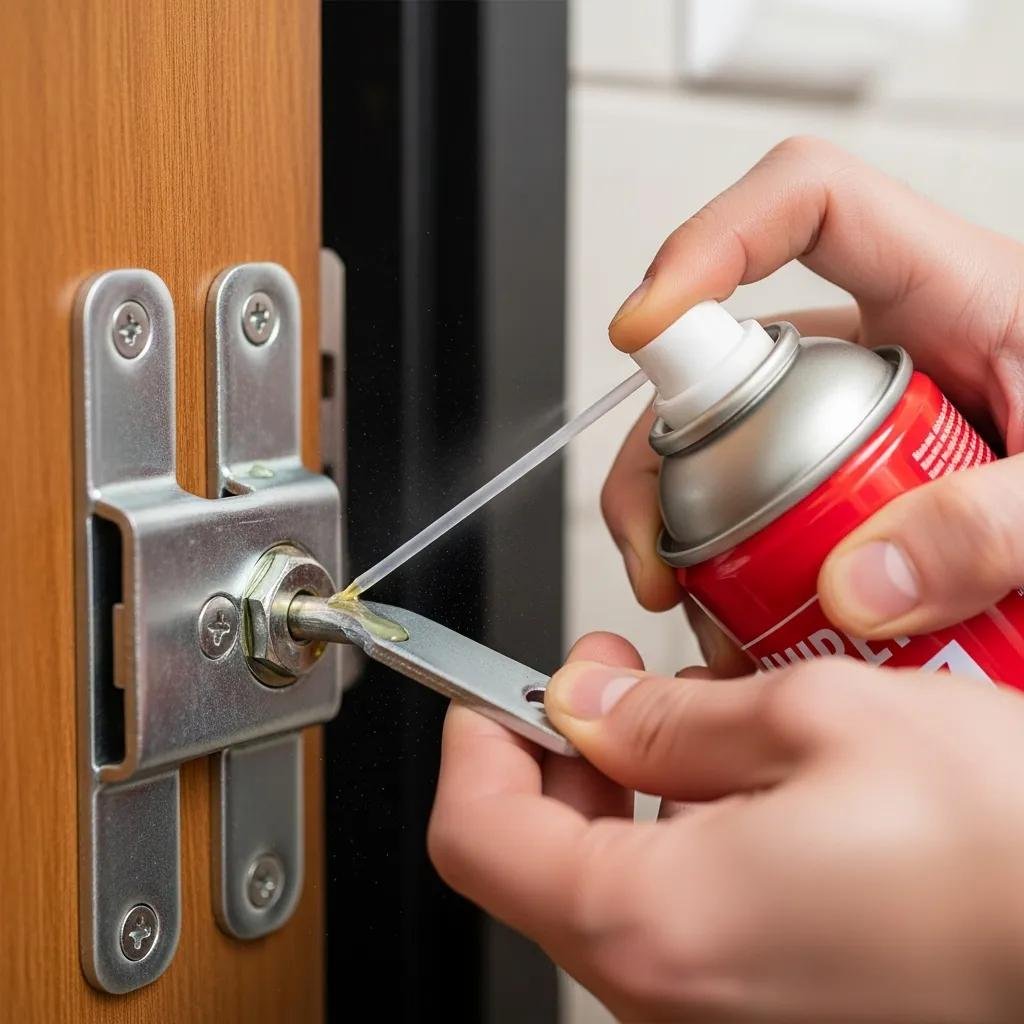
Regular lubrication and maintenance of the door latch mechanism are essential for ensuring smooth operation and longevity.
Which Lubricants Are Safe and Effective for Door Latch Mechanisms?
Safe and effective lubricants for door latch mechanisms include silicone spray and graphite powder. These lubricants reduce friction and prevent sticking, ensuring that the latch operates smoothly. Avoid using oil-based lubricants like WD-40 for long-term lubrication, as they can attract dirt and cause buildup.
What Are the Best Practices for Applying Lubricant to Prevent Jamming and Sticking?
When applying lubricant, ensure that you do so sparingly to avoid excess buildup. Apply lubricant directly to the latch mechanism and work it in by operating the latch several times. Regular maintenance every few months can help prevent jamming and sticking.
When Should You Call a Professional Locksmith for Door Latch Issues in Charlotte, NC?
While many door latch issues can be resolved through DIY methods, some situations require professional assistance.
What Door Latch Problems Require Expert Repair or Replacement?
Complex latch issues, such as those involving internal mechanisms, severe misalignment, damaged door frames, or broken components, may require expert repair or replacement. If you notice persistent problems despite your adjustments, it may be time to consult a professional.
How Can My Locksmith Express Provide Fast and Reliable Door Latch Services Locally?
My Locksmith Express offers 24/7 mobile locksmith services in the Charlotte, NC area, specializing in emergency car lockouts, residential lock services, and commercial security solutions. Their expertise in door latch adjustments and repairs ensures that your door will operate securely and smoothly. With a focus on customer satisfaction, they provide fast and reliable service to meet your needs.
| Tool | Purpose | Effectiveness |
|---|---|---|
| Phillips Screwdriver | Tightening screws | High |
| Flathead Screwdriver | Adjusting strike plates | High |
| Silicone Spray | Lubrication | High |
| Graphite Powder | Lubrication | Medium |
This table summarizes the essential tools and their effectiveness in adjusting door latches, helping you choose the right equipment for your DIY project.
Door latch adjustments are crucial for maintaining security and functionality in your home. By understanding common problems, gathering the right tools, and following the outlined steps, you can effectively address latch issues. If you encounter persistent problems, don’t hesitate to reach out to My Locksmith Express for professional assistance.