
Table of Contents
ToggleComplete Guide to Choosing Aftermarket Car Alarm SystemsChoosing the Best Aftermarket Car Alarm System: Comprehensive Guide to Vehicle Security and Features
In an era where vehicle theft remains a concern, choosing the right aftermarket car alarm system is crucial for safeguarding your investment. This comprehensive guide will help you understand the various features, benefits, and types of aftermarket car alarms available, ensuring you make an informed decision. Aftermarket car alarms not only enhance your vehicle’s security but also offer customization options that factory systems may lack. With the right system, you can deter thieves and protect your vehicle effectively. This article will cover the advantages of aftermarket systems, key features to consider, types of alarms, top brands, installation approaches, and cost considerations.
Why Choose an Aftermarket Car Alarm System for Your Vehicle?
Aftermarket car alarm systems provide several advantages over factory-installed options, making them a popular choice among vehicle owners. These systems are designed to enhance security, offer customization, and potentially lower insurance premiums.
What Are the Benefits of Aftermarket Car Alarms Compared to Factory Systems?
Aftermarket car alarms often offer features that factory systems may not include. For instance, many include advanced sensors, remote start capabilities, and smartphone integration. These features not only improve security but also provide greater user control and convenience. Additionally, many aftermarket systems can be tailored to fit specific needs, allowing for a more personalized security solution. While statistics vary, vehicles equipped with aftermarket alarms generally have a lower risk of theft, making them a cost-effective investment in vehicle protection.
How Do Aftermarket Alarms Enhance Vehicle Security in Charlotte and Lake Norman?
In areas like Charlotte and Lake Norman, where vehicle theft rates can be a concern, aftermarket alarms play a vital role in enhancing security. Local crime statistics suggest that neighborhoods with visible security measures, such as aftermarket alarms, tend to experience lower theft rates. These systems often come with features like motion sensors and GPS tracking, which can alert owners to suspicious activity and help recover stolen vehicles more efficiently. By investing in an aftermarket alarm, you contribute to community safety and protect your vehicle from potential threats.
What Key Features Should You Consider in an Aftermarket Car Alarm?
When selecting an aftermarket car alarm, it’s essential to consider several key features that can significantly impact its effectiveness and convenience.
How Do Remote Start and Smartphone Integration Improve Convenience and Security?
Remote start capabilities allow you to start your vehicle from a distance, which can be particularly useful in extreme weather conditions. This feature enhances convenience and can add a layer of security by allowing you to warm up or cool down your vehicle without being physically present. Smartphone integration takes this a step further, enabling you to monitor your vehicle’s security status, receive alerts, and even control the alarm system from your mobile device. This level of connectivity helps ensure that you are always in control of your vehicle’s security.
What Types of Sensors Are Essential in Modern Car Alarm Systems?
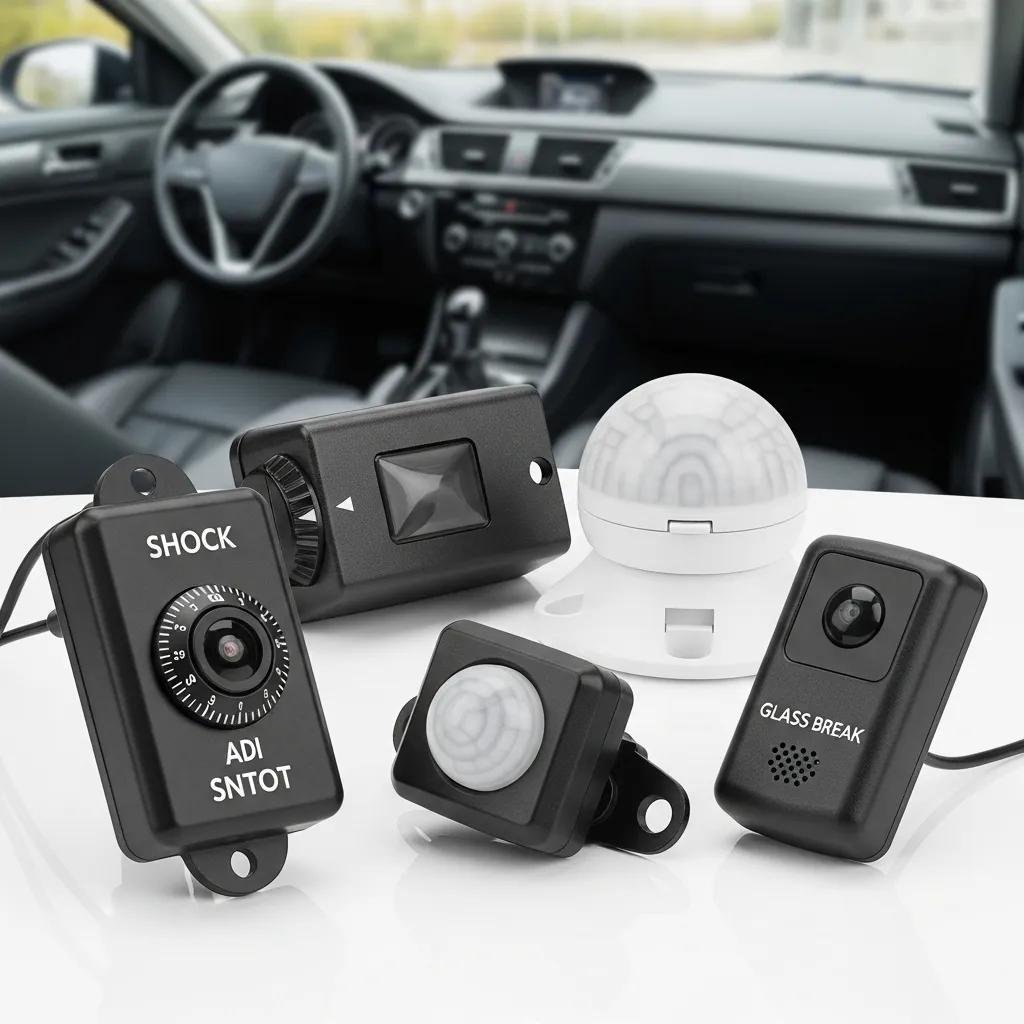
Modern car alarm systems utilize various sensors to detect unauthorized access or tampering. Essential sensors include shock sensors, which detect impacts or vibrations, and motion sensors that trigger alarms when movement is detected around the vehicle. Glass-break sensors are also important, as they can identify the sound of breaking glass, alerting you to potential break-ins. By incorporating these sensors, aftermarket alarms provide comprehensive protection against a range of threats.
Which Types of Aftermarket Car Alarm Systems Are Available?
Understanding the different types of aftermarket car alarm systems can help you choose the right one for your needs.
What Are the Differences Between Active, Passive, Two-Way, and Audible Alarms?
Active alarms require the user to manually activate the system, while passive alarms automatically engage when the vehicle is turned off or locked. Two-way alarms provide feedback to the user, such as confirming that the alarm has been triggered, while audible alarms emit loud sounds to deter thieves. Each type has its advantages, and the choice depends on your specific security needs and preferences.
How Do Vehicle Immobilizers and Kill Switches Enhance Security?
Vehicle immobilizers and kill switches are additional security features that can significantly enhance the effectiveness of an aftermarket alarm system. Immobilizers prevent the engine from starting without the correct key or fob, making it difficult for thieves to drive away with your vehicle. Kill switches, on the other hand, allow you to disable critical systems, such as the fuel pump or ignition, rendering the vehicle inoperable. These features work in conjunction with alarm systems to provide a multi-layered approach to vehicle security.
What Are the Top Aftermarket Car Alarm Brands to Consider?
When investing in an aftermarket car alarm, it’s essential to consider reputable brands known for their reliability and effectiveness.
How Do Viper and Compustar Compare in Features and Reliability?
Viper and Compustar are two of the leading brands in the aftermarket car alarm market. Viper is known for its advanced features, including smartphone integration and customizable alerts, while Compustar offers robust security options with a focus on user-friendly interfaces. Both brands have strong reputations for reliability, making them excellent choices for vehicle security.
What Other Brands Like Avital and Mengshen Offer in Vehicle Security?
In addition to Viper and Compustar, brands like Avital and Mengshen provide competitive options in the aftermarket car alarm space. Avital is recognized for its affordability and ease of installation, making it a popular choice for budget-conscious consumers. Mengshen offers features such as GPS tracking and remote start capabilities, appealing to those seeking advanced security solutions. Evaluating these brands can help you find the best fit for your vehicle’s security needs.
How Should You Approach Installation of an Aftermarket Car Alarm System?
Proper installation is crucial for the effectiveness of any aftermarket car alarm system.
What Are the Pros and Cons of DIY Versus Professional Installation?
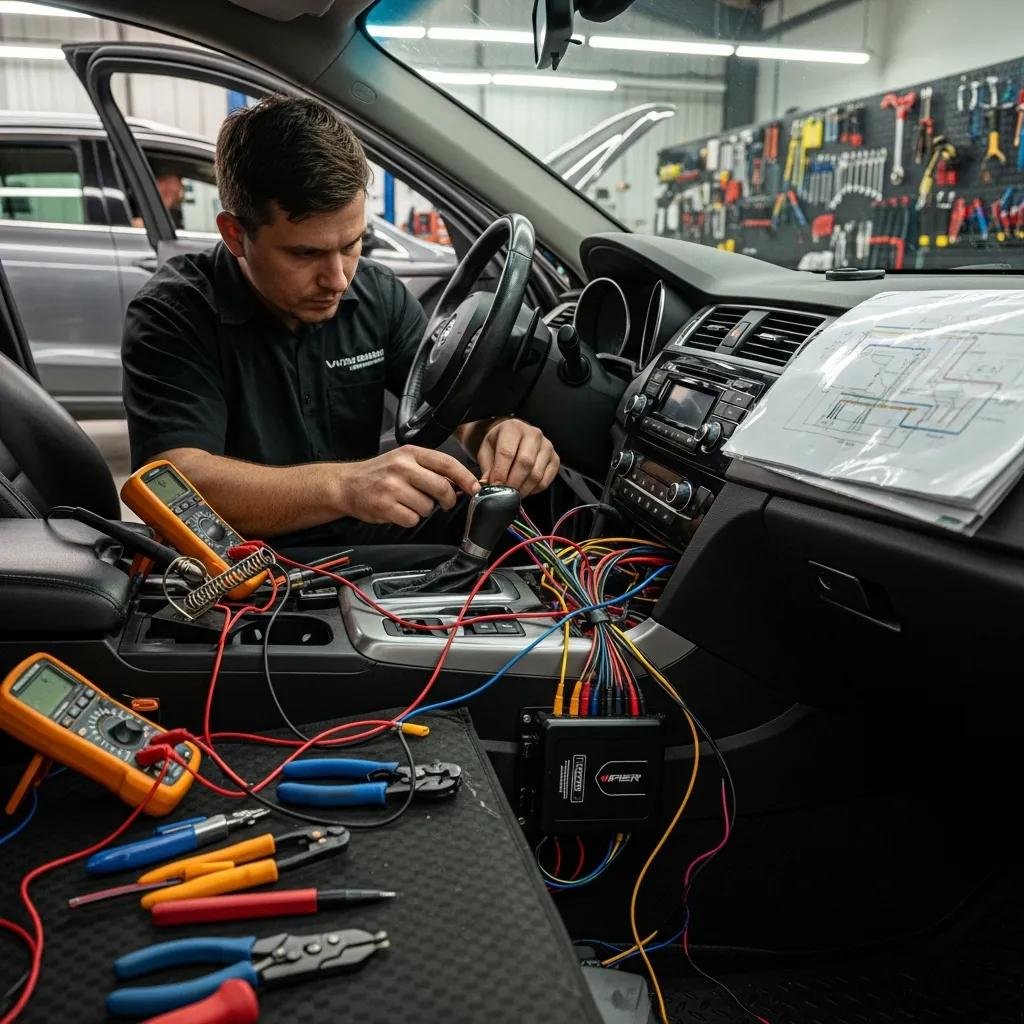
DIY installation can save you money but requires a certain level of technical skill and knowledge about your vehicle’s electrical system. Professional installation ensures that the system is set up correctly and functions as intended but may come at a higher cost. Weighing the pros and cons of each approach can help you decide the best method for your situation.
How Does Proper Integration with Key Fobs and Transponder Keys Affect Security?
Integrating your aftermarket alarm system with existing key fobs and transponder keys is essential for maximizing security. Proper integration ensures that the alarm system works seamlessly with your vehicle’s locking mechanisms, preventing unauthorized access. Additionally, using a system that is compatible with your vehicle’s technology can enhance overall functionality and user experience.
What Is the Cost and Value of Aftermarket Car Alarm Systems?
Understanding the cost and value of aftermarket car alarm systems is vital for making an informed decision.
How Do Price and Features Influence Your Choice of Car Alarm?
The price of aftermarket car alarms can vary significantly based on features and brand reputation. Basic systems may start around $100, while more advanced options with features like GPS tracking and smartphone integration can exceed $500. It’s essential to evaluate the features that matter most to you and consider how they align with your budget. Investing in a quality alarm system can provide peace of mind and potentially lower your insurance premiums.
What Are Common FAQs About Aftermarket Car Alarm Systems?
When considering an aftermarket car alarm, potential buyers often have several questions. Common inquiries include the effectiveness of these systems, installation requirements, and warranty coverage. Understanding these aspects can help you make a more informed decision and ensure that you choose a system that meets your security needs.
| Alarm Type | Key Features | Price Range |
|---|---|---|
| Basic Alarm | Sound alarm, basic sensors | $100 – $200 |
| Mid-Range Alarm | Remote start, smartphone integration | $200 – $400 |
| Advanced Alarm | GPS tracking, two-way communication | $400 – $600 |
This table illustrates the various types of aftermarket car alarms available, highlighting their key features and price ranges. By understanding these options, you can better assess which system aligns with your security needs and budget.
In conclusion, selecting the best aftermarket car alarm system involves understanding the various features, types, and brands available. By considering your specific needs and the security landscape in your area, you can make an informed decision that enhances your vehicle’s protection.