

Table of Contents
ToggleANSI/BHMA Lock Grades: Residential & Commercial Security GuideANSI/BHMA Lock Grades Explained: Understanding Security Ratings for Residential and Commercial Locks
Understanding the security ratings of locks is crucial for both homeowners and business owners. ANSI/BHMA lock grades provide a standardized way to assess the quality and security of locks, ensuring that you make informed decisions when it comes to protecting your property. This article will delve into the ANSI/BHMA lock grading system, explaining what these grades mean and how they can impact your security choices. Many individuals struggle with selecting the right locks that balance security, durability, and cost. By understanding the ANSI/BHMA grading system, you can choose locks that meet your specific needs. We will explore the differences between lock grades, how they are tested for durability, and how to select the best lock for your home or business in the Charlotte and Lake Norman areas.
What Are ANSI and BHMA Lock Grades?
ANSI (American National Standards Institute) and BHMA (Builders Hardware Manufacturers Association) are organizations that establish standards for the performance and quality of locks. The ANSI/BHMA lock grading system categorizes locks into three grades based on their durability, security features, and intended use. This grading system is essential for consumers, as it provides a clear understanding of the level of security a lock can offer. The importance of these grades cannot be overstated, as they help consumers make informed choices about the locks they install in their homes and businesses.
Who Are ANSI and BHMA and What Do They Do?
ANSI is a private non-profit organization that oversees the development of voluntary consensus standards for products, services, processes, and systems in the United States. BHMA, a division of the Associated Locksmiths of America (ALOA), focuses specifically on the hardware industry, including locks. Together, they create standards that ensure locks meet specific performance criteria, which helps consumers identify reliable products. Their work has a significant impact on lock security, as it ensures that manufacturers adhere to rigorous testing and quality assurance processes.
How Does the ANSI/BHMA Lock Grading System Work?
The ANSI/BHMA lock grading system uses a scale from Grade 1 to Grade 3, with Grade 1 being the highest level of security. Each grade is determined based on a series of tests that evaluate the lock’s durability, strength, and resistance to forced entry. Grade 1 locks are typically used in commercial settings where high security is essential, while Grade 2 locks are suitable for residential and light commercial use. Grade 3 locks are generally used in low-security applications. Understanding this grading system helps consumers select locks that meet their specific security needs.
What Are the Differences Between Grade 1, Grade 2, and Grade 3 Locks?
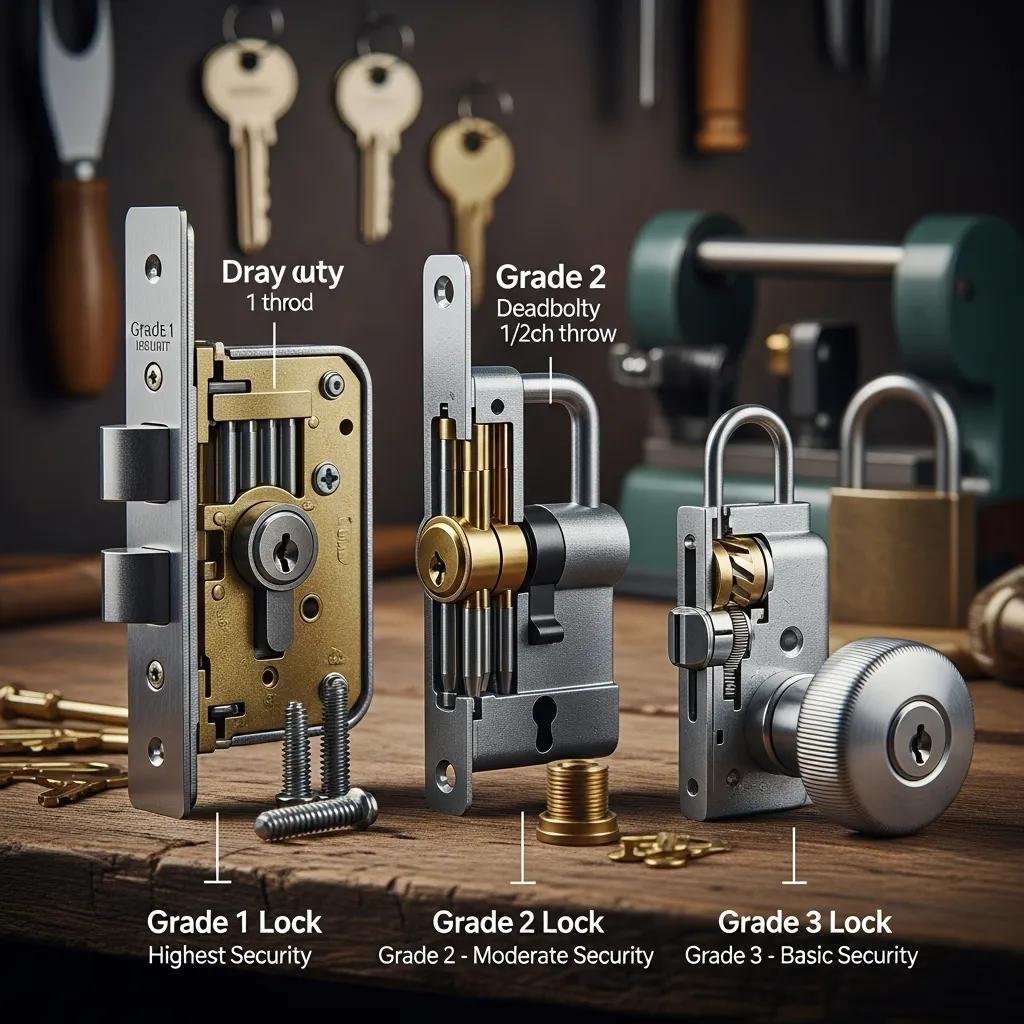
The differences between the three grades of locks are significant, particularly in terms of security features and recommended applications.
What Features Define Grade 1 Locks for Commercial and High-Security Use?
Grade 1 locks are designed for high-security applications, making them ideal for commercial properties. They typically feature robust construction, advanced locking mechanisms, and resistance to picking and drilling. These locks are tested to withstand high levels of force and are often used in areas that require maximum security, such as banks and government buildings. Their durability and reliability make them a top choice for businesses that prioritize security.
How Do Grade 2 Locks Balance Security and Value for Residential and Light Commercial Use?
Grade 2 locks offer a balance between security and affordability, making them suitable for residential and light commercial applications. They provide adequate protection against unauthorized access while being more cost-effective than Grade 1 locks. These locks are often used in homes, offices, and retail spaces where moderate security is required. Their construction typically includes solid materials and reliable locking mechanisms, ensuring a good level of security without breaking the bank.
How Are Lock Durability and Performance Tested for ANSI/BHMA Certification?
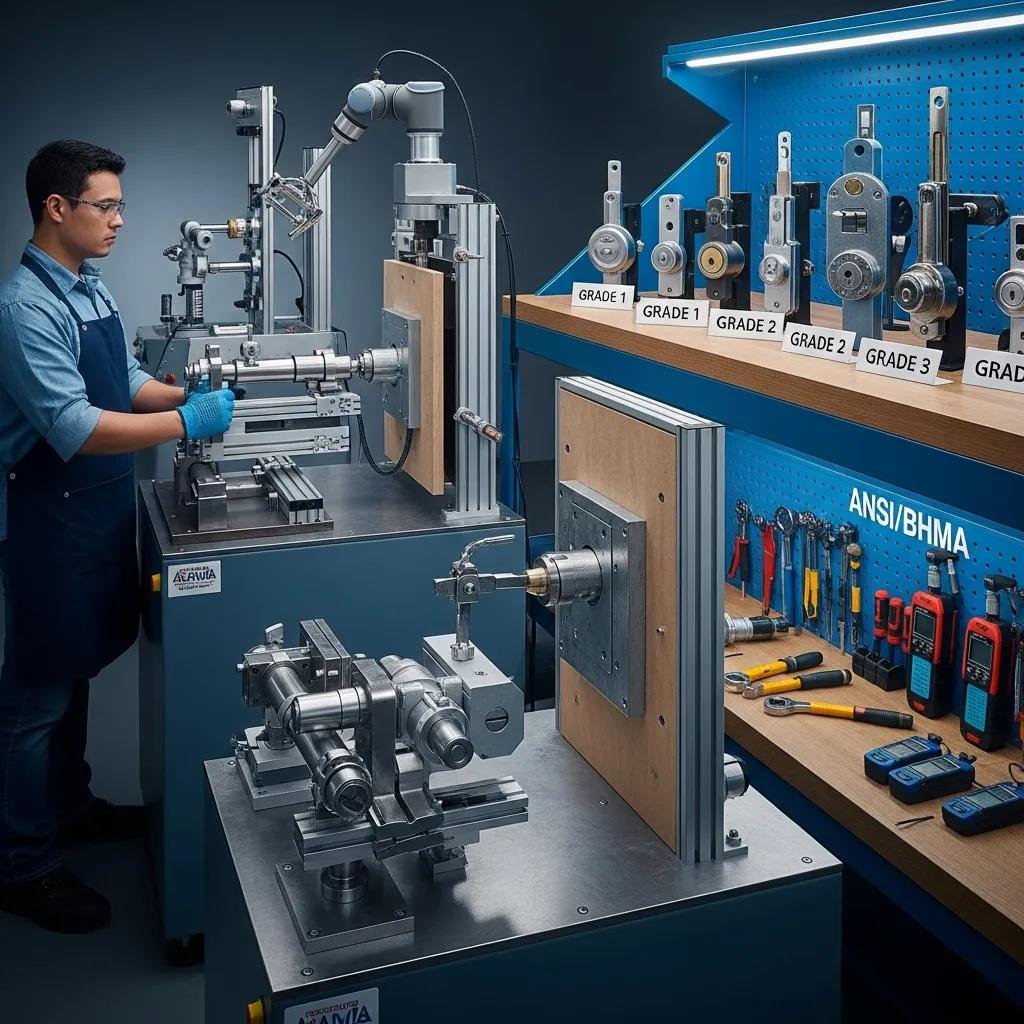
The testing process for ANSI/BHMA certification involves a series of rigorous evaluations to ensure that locks meet the established standards for durability and performance.
What Cycle and Impact Tests Determine Lock Grade Ratings?
Locks undergo various cycle tests, which simulate the wear and tear they would experience over time. These tests assess the lock’s ability to withstand repeated use without failure. Additionally, impact tests evaluate how well a lock can resist forced entry attempts. The results of these tests determine the lock’s grade rating, ensuring that only those that meet the highest standards receive certification.
Why Is Testing Important for Lock Security and Longevity?
Testing is crucial for ensuring that locks can withstand real-world conditions and provide reliable security over time. Poorly tested locks may fail when needed most, leading to security breaches and potential losses. By adhering to ANSI/BHMA standards, manufacturers can guarantee that their locks are built to last and perform effectively, giving consumers peace of mind regarding their security investments.
How to Choose the Best Lock Grade for Your Home or Business in Charlotte and Lake Norman?
Selecting the right lock grade involves considering various factors, including the level of security required, the type of property, and budget constraints.
What Lock Grades Are Recommended for Residential Security?
For residential security, Grade 2 locks are often recommended due to their balance of security and cost. They provide sufficient protection for most homes while being more affordable than Grade 1 locks. Homeowners should also consider additional security features, such as smart locks or deadbolts, to enhance their overall security.
Which Lock Grades Provide Maximum Security for Commercial Properties?
Commercial properties should prioritize Grade 1 locks to ensure maximum security. These locks are designed to withstand high levels of force and provide advanced protection against unauthorized access. Businesses in high-risk areas or those handling sensitive information should invest in Grade 1 locks to safeguard their assets effectively.
What Role Does My Locksmith Express Play in Lock Grade Consultation and Installation?
My Locksmith Express is a mobile locksmith service operating in the Charlotte, NC area and Lake Norman region, including Cornelius, Huntersville, and Davidson. They provide expert consultation on lock grades and installation services tailored to meet the specific needs of residential and commercial clients.
How Does My Locksmith Express Assess Your Security Needs?
My Locksmith Express conducts thorough assessments of your security needs, taking into account the type of property, existing security measures, and potential vulnerabilities. This personalized approach ensures that clients receive tailored recommendations for lock grades that best suit their requirements.
Why Choose My Locksmith Express for ANSI/BHMA Certified Lock Installation?
Choosing My Locksmith Express for ANSI/BHMA certified lock installation guarantees that you receive professional service and high-quality products. Their expertise in the field ensures that locks are installed correctly, maximizing their effectiveness and longevity. With a focus on customer satisfaction, My Locksmith Express aims to provide reliable locksmith services that meet the highest standards.
What Are Common Questions About ANSI/BHMA Lock Grades?
Understanding ANSI/BHMA lock grades can raise several questions for consumers looking to enhance their security.
Can Grade 2 Locks Be Used for Commercial Applications?
Yes, Grade 2 locks can be used for light commercial applications where high security is not a primary concern. They are suitable for offices and retail spaces that require moderate security measures. However, for high-security environments, Grade 1 locks are recommended.
How Do Smart Locks Relate to ANSI/BHMA Lock Grades?
Smart locks can also be rated under the ANSI/BHMA grading system, providing an additional layer of security through advanced technology. These locks often incorporate features such as remote access, keyless entry, and monitoring capabilities, making them a popular choice for both residential and commercial properties. When selecting a smart lock, it is essential to consider its ANSI/BHMA grade to ensure it meets your security needs.