
Table of Contents
ToggleUnderstanding Transponder Key Technology & Security: Comprehensive Guide to Automotive Key Programming and Protection
Transponder key technology has revolutionized vehicle security, providing enhanced protection against theft and unauthorized access. This comprehensive guide will delve into the intricacies of transponder keys, their components, and how they interact with vehicle immobilizer systems. Readers will gain insights into the various types of automotive keys, the programming and replacement processes, and common issues associated with transponder keys. Understanding these elements is crucial for vehicle owners who wish to safeguard their investments effectively. This article will cover the definition and benefits of transponder keys, the workings of immobilizer systems, the differences between key types, local programming services, troubleshooting common issues, and steps to take if a key is lost or damaged.
What is a Transponder Key and How Does It Enhance Vehicle Security?
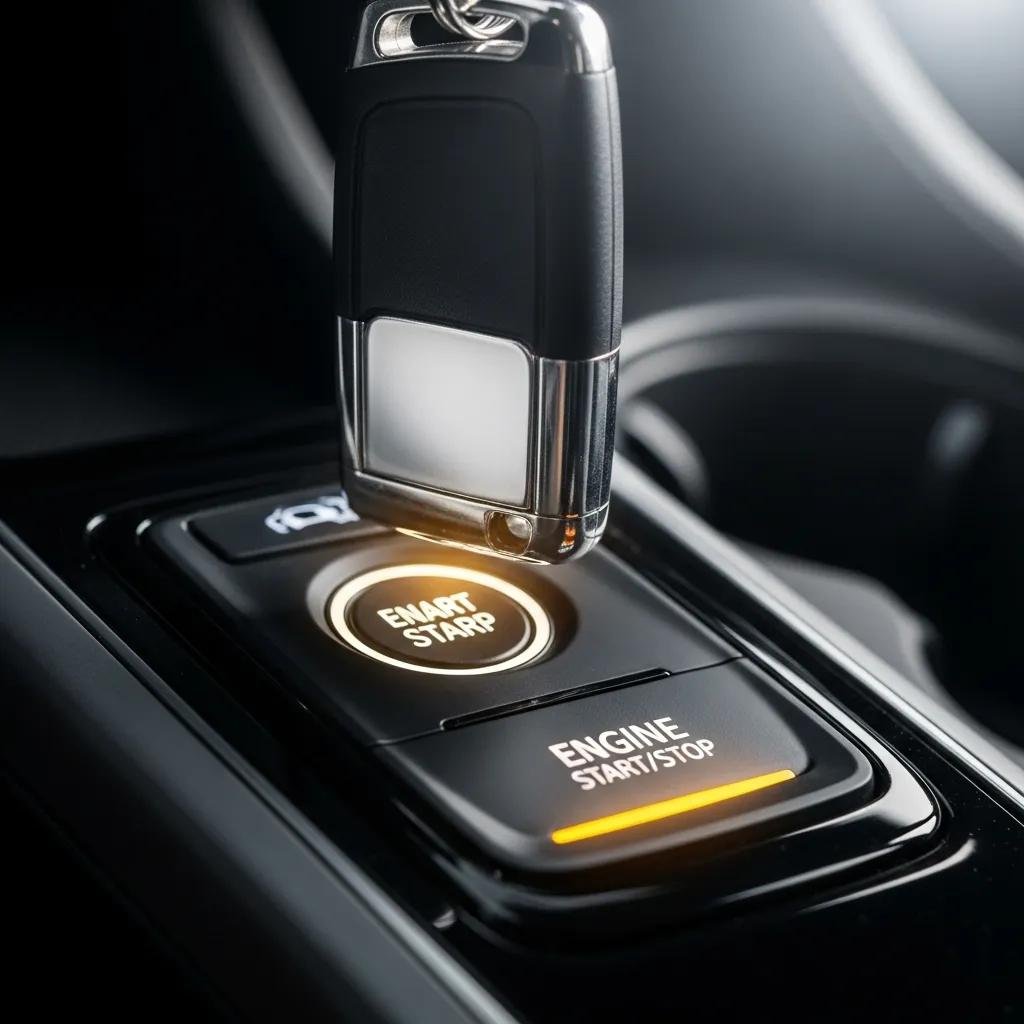
A transponder key is a specialized automotive key that contains a microchip programmed to communicate with a vehicle’s immobilizer system. This technology enhances vehicle security by ensuring that only authorized keys can start the engine, significantly reducing the risk of theft. The microchip within the key sends a unique signal to the car’s immobilizer, which verifies the key’s authenticity before allowing the engine to start. This one-way communication process is essential for modern vehicle security, as it prevents unauthorized access and enhances overall safety.
What components make up a transponder key?
Transponder keys consist of several key components that work together to provide security. The primary elements include:
- Microchip: This small chip stores the key’s unique identification code and is responsible for communicating with the vehicle’s immobilizer system.
- Antenna Coil: The antenna coil receives the signal from the vehicle’s ignition coil and powers the microchip via induction.
- Key Blade: The physical part of the key that fits into the ignition lock, allowing the driver to start the vehicle.
These components work in unison to ensure that only the correct key can start the vehicle, providing a robust defense against theft.
How does a transponder key communicate with the car's immobilizer system?
The communication between a transponder key and the car’s immobilizer system occurs through a series of steps. When the key is inserted into the ignition, the vehicle’s antenna coil emits a low-frequency signal that powers the microchip within the key via induction. The microchip then sends a unique code back to the immobilizer system. If the code matches the one stored in the vehicle’s computer, the immobilizer disengages, allowing the engine to start. This process happens in milliseconds, ensuring a seamless experience for the driver while maintaining high security.
How Do Car Immobilizer Systems Work to Prevent Theft?
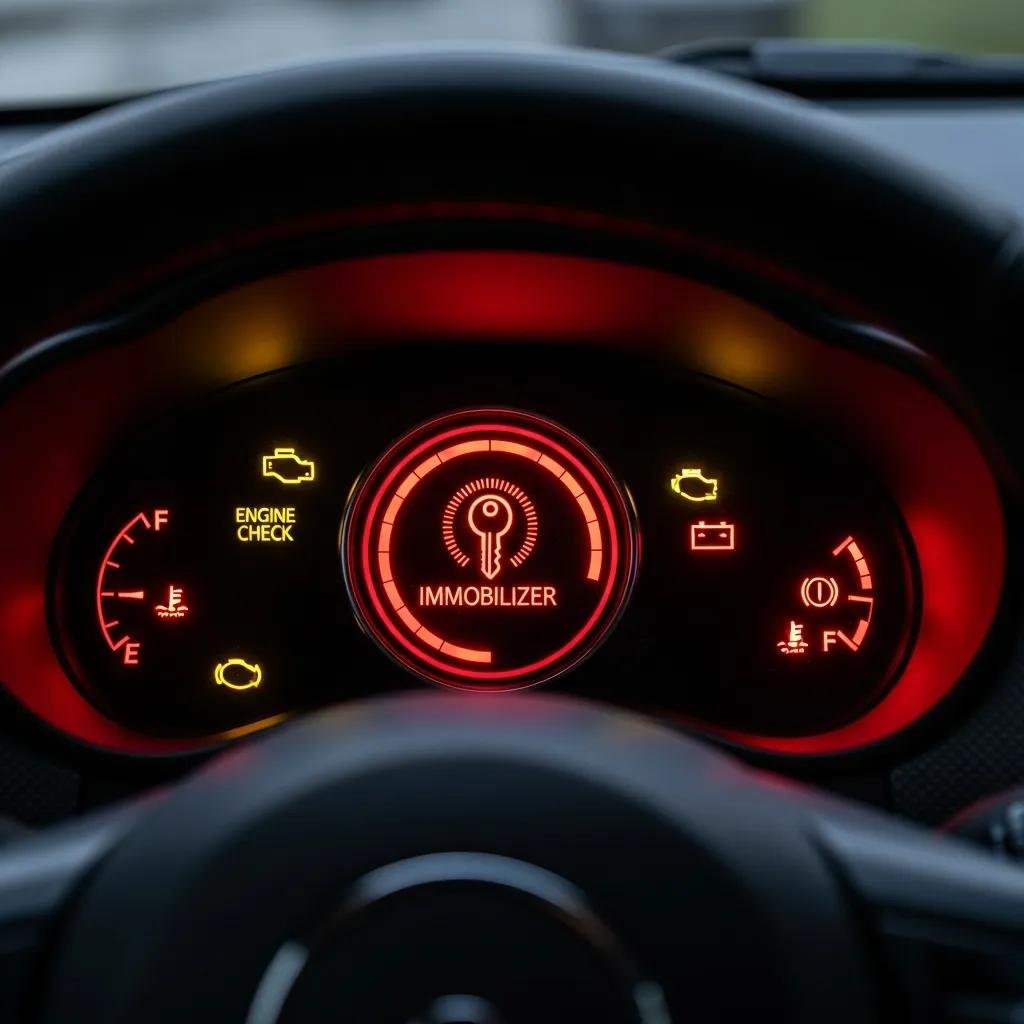
Car immobilizer systems are designed to prevent unauthorized access to vehicles by disabling the engine unless the correct key is used. These systems are a critical component of modern vehicle security, providing an additional layer of protection against theft.
What are the types of immobilizer systems: fixed code vs rolling code?
- Fixed Code Systems: These systems use a static code that does not change. While they are simpler and less expensive, they are also more vulnerable to hacking and duplication.
- Rolling Code Systems: These systems generate a new code each time the key is used, making it significantly more difficult for thieves to replicate the key. This dynamic approach enhances security by ensuring that even if a code is intercepted, it cannot be reused.
How do immobilizer systems interact with transponder keys?
Immobilizer systems interact with transponder keys through a secure communication process. When the key is inserted into the ignition, the immobilizer system sends a low-frequency signal to the transponder key, prompting it to transmit its unique code. The immobilizer then verifies this code against its database. If the codes match, the immobilizer allows the engine to start; if not, the engine remains disabled. This interaction is crucial for maintaining vehicle security and preventing unauthorized access.
What Are the Different Types of Automotive Keys: Transponder, Smart Keys, and Key Fobs?
Automotive keys have evolved significantly, with various types available to enhance convenience and security. Understanding these key types is essential for vehicle owners.
How do chip keys differ from smart keys and key fobs?
Chip keys, also known as transponder keys, contain a microchip that communicates with the vehicle’s immobilizer system. In contrast, smart keys and key fobs offer additional features, such as keyless entry and remote start capabilities.
- Smart Keys: These keys allow drivers to unlock and start their vehicles without physically inserting the key. They use proximity sensors to detect when the key is nearby.
- Key Fobs: These are remote controls that can lock and unlock doors, start the engine, and perform other functions from a distance. They may or may not include a transponder chip.
What are the benefits and limitations of each key type?
- Transponder Keys:Benefits: Enhanced security, reduced risk of theft, and compatibility with most modern vehicles.Limitations: Requires professional programming and can be more expensive to replace.
- Smart Keys:Benefits: Convenience of keyless entry and starting, often includes additional features.Limitations: Higher cost and potential for battery failure.
- Key Fobs:Benefits: Easy to use and often includes multiple functions.Limitations: May require battery replacement and can be lost easily.
How Is Transponder Key Programming and Replacement Performed Locally in Charlotte & Lake Norman?
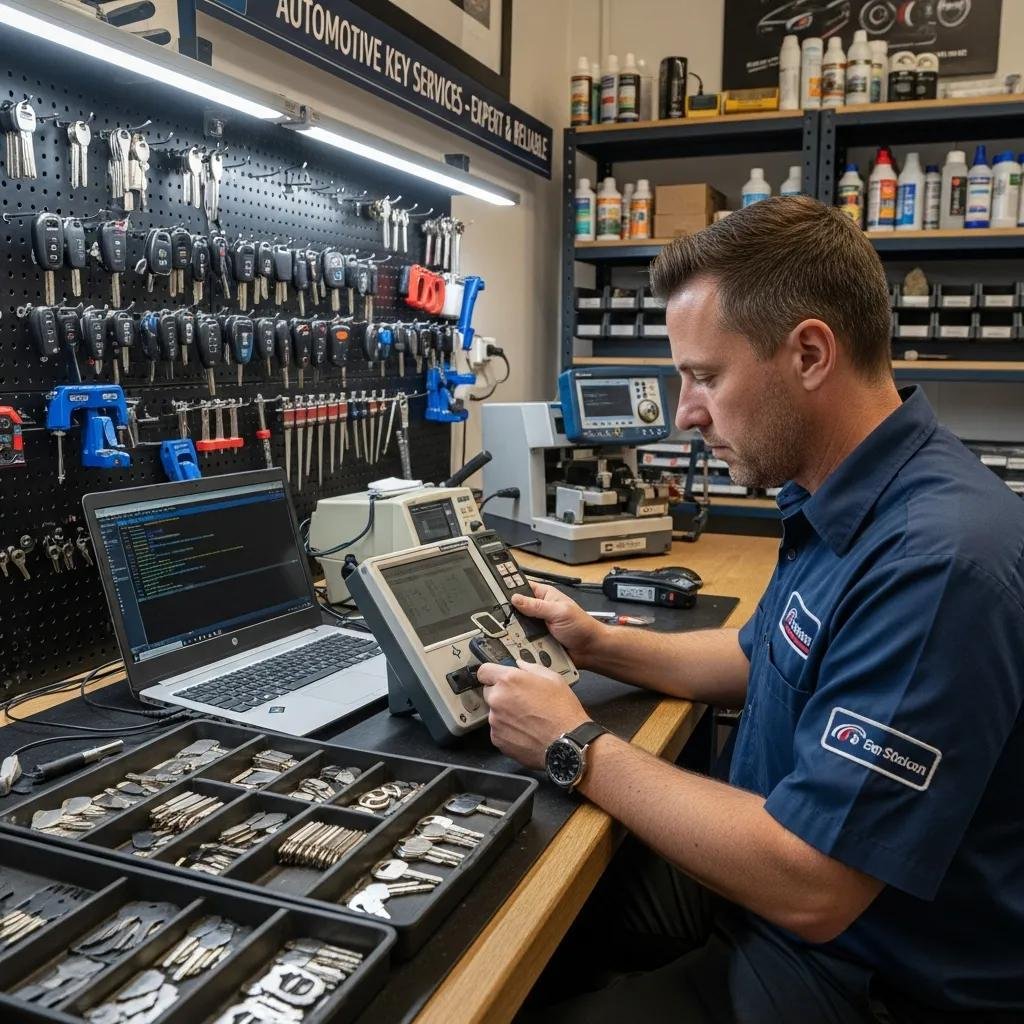
Transponder key programming and replacement are essential services for vehicle owners who have lost or damaged their keys. In the Charlotte and Lake Norman areas, professional locksmiths offer specialized services to ensure that keys are programmed correctly and efficiently.
Why is professional transponder key programming essential?
Professional transponder key programming is crucial because it ensures that the new key is correctly synchronized with the vehicle’s immobilizer system. Attempting to program a key without the proper tools and knowledge can lead to errors, resulting in a key that does not work. Professional locksmiths have the expertise and equipment necessary to program keys accurately, providing peace of mind for vehicle owners.
What factors influence the cost of key replacement and programming?
Several factors can influence the cost of transponder key replacement and programming, including:
- Key Type: The complexity of the key (e.g., transponder, smart key) can affect the price.
- Vehicle Make and Model: Some vehicles require more advanced programming techniques, which can increase costs.
- Service Provider: Different locksmiths may charge varying rates for their services.
Understanding these factors can help vehicle owners budget for key replacement and programming services.
What Are Common Transponder Key Issues and How Can They Be Troubleshooted?
Transponder keys can experience various issues that may prevent them from functioning correctly. Identifying these problems early can save vehicle owners time and money.
What symptoms indicate a failing transponder key or immobilizer problem?
Common symptoms of a failing transponder key or immobilizer system include:
- Engine Won’t Start: If the key is not recognized, the engine will not start.
- Intermittent Starting Issues: The vehicle may start sometimes but not others, indicating a potential problem with the key or immobilizer.
- Warning Lights: Dashboard warning lights related to the immobilizer system may illuminate.
Recognizing these symptoms early can help vehicle owners address issues before they escalate.
When should you call a locksmith versus attempting DIY fixes?
While some minor issues may be resolved with DIY fixes, it is advisable to call a professional locksmith in the following situations:
- Key Not Recognized: If the key is not recognized by the vehicle, professional assistance is necessary.
- Complex Programming: If the key requires advanced programming that the owner cannot perform.
- Repeated Issues: If the same problem occurs multiple times, it may indicate a deeper issue that needs expert evaluation.
Calling a locksmith ensures that the problem is diagnosed and resolved correctly.
What Steps Should You Take If You Lose or Damage Your Transponder Key?
Losing or damaging a transponder key can be stressful, but knowing the right steps to take can help secure your vehicle quickly.
What immediate actions help secure your vehicle after key loss?
If you lose your transponder key, take the following immediate actions:
- Secure the Vehicle: Ensure all doors and windows are locked to prevent unauthorized access.
- Contact a Locksmith: Reach out to a professional locksmith for assistance with key replacement.
- Consider a Spare Key: If you have a spare key, use it while arranging for a replacement.
These steps can help mitigate the risk of theft while you arrange for a new key.
How do locksmith services compare to dealerships for replacement?
When it comes to key replacement, locksmith services often provide several advantages over dealerships:
- Cost: Locksmiths typically offer more competitive pricing for key replacement and programming.
- Convenience: Mobile locksmiths can come to your location, saving you time and hassle.
- Speed: Locksmiths can often provide faster service than dealerships, which may require longer wait times.
Choosing a locksmith for transponder key replacement can be a more efficient and cost-effective option.
| Service | Description | Cost |
|---|---|---|
| Transponder Key Programming | Professional programming of a new transponder key to match the vehicle’s immobilizer system. | $150 – $300 |
| Key Replacement | Replacement of a lost or damaged transponder key, including programming. | $200 – $400 |
| Emergency Lockout Service | Assistance for locked-out vehicles, including key retrieval and programming. | $75 – $150 |
This table outlines the various locksmith services available for transponder key programming and replacement, highlighting the importance of professional assistance in maintaining vehicle security.
In summary, understanding transponder key technology and its associated systems is essential for vehicle owners. By recognizing the components, functions, and potential issues related to transponder keys, individuals can take proactive steps to enhance their vehicle’s security and ensure they are prepared in case of key loss or damage.