Table of Contents
ToggleWhich Smart Lock Features Matter When Comparing Keyless Entry Systems?Comparing Smart Lock Features: What to Look For to Choose the Best Keyless Entry System
Smart locks are revolutionizing home security by offering convenience and advanced features that traditional locks cannot match. This comprehensive guide will help you understand the various smart lock features available, enabling you to make an informed decision when selecting the best keyless entry system for your needs. As more homeowners and businesses seek to enhance their security, understanding the nuances of smart locks becomes essential. This article will explore the main types of smart locks, their connectivity options, authentication methods, security features, usability, practical considerations, and how to choose the best smart lock for your residential or commercial needs in Charlotte, NC.
What Are the Main Types of Smart Locks and Their Connectivity Options?
Smart locks come in various types, each with unique connectivity options that cater to different user preferences and needs. Understanding these types can help you choose the right lock for your home or business.
How Do Bluetooth and Wi-Fi Smart Locks Differ in Features and Benefits?
Bluetooth smart locks connect directly to your smartphone via Bluetooth technology, allowing for easy access without the need for an internet connection. They typically offer features like temporary guest codes but generally do not support remote access without additional hubs or bridges. On the other hand, Wi-Fi smart locks connect to your home network, enabling remote access from anywhere with an internet connection. This feature allows you to monitor and control your lock from your smartphone, providing enhanced security and convenience.
What Are Z-Wave, Zigbee, and Matter Smart Locks and Their Smart Home Integration?
Z-Wave and Zigbee smart locks utilize low-energy wireless communication protocols, allowing them to integrate seamlessly with other smart home devices. These locks can be controlled through a central hub, enabling automation and remote access. Matter is a newer standard that aims to unify smart home devices across different platforms, ensuring compatibility and ease of use. Each of these technologies offers unique advantages, such as energy efficiency and enhanced security, making them popular choices for smart home integration.
Which Authentication Methods Enhance Smart Lock Security?
The security of smart locks is significantly influenced by the authentication methods they employ. Understanding these methods can help you choose a lock that meets your security needs.
How Do Biometric Smart Locks Use Fingerprint and Facial Recognition?
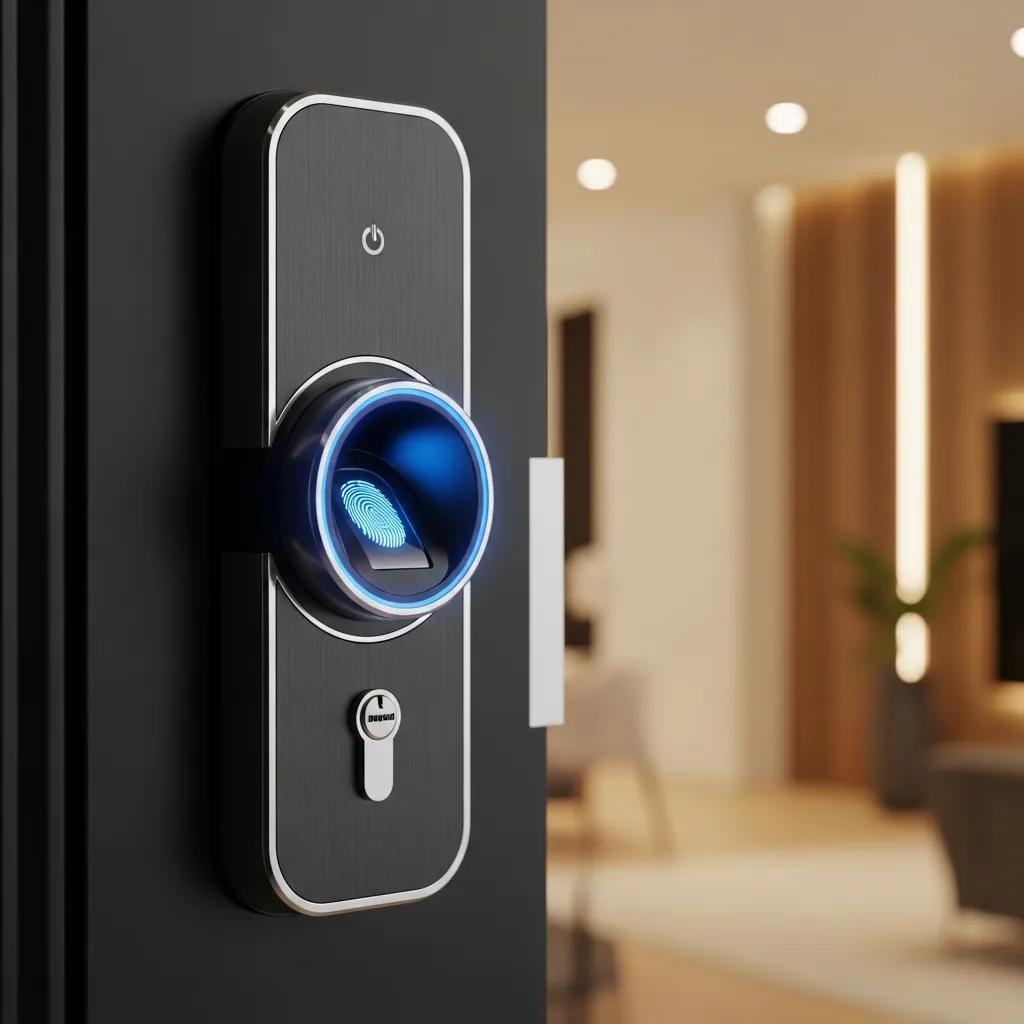
Biometric smart locks utilize advanced technology to enhance security through fingerprint recognition. While fingerprint scanning is common, facial recognition is less frequently implemented in smart locks due to hardware and privacy constraints. These locks scan and authenticate users based on their unique biological traits, providing a high level of security. The convenience of not needing keys or codes makes biometric locks an attractive option for many homeowners and businesses.
What Are the Advantages of Keypad, Smartphone App, and Physical Key Overrides?
Keypad entry systems allow users to enter a code to unlock the door, providing a simple and effective method of access. Smartphone app controls offer the convenience of managing your lock from anywhere, while physical key overrides ensure that you can still access your property in case of a power failure or technical issue. Each method has its pros and cons, and the best choice depends on your specific needs and preferences.
What Security Features Should You Prioritize in a Smart Lock?
When selecting a smart lock, certain security features should be prioritized to ensure maximum protection for your property.
How Do Encryption, Tamper Alerts, and ANSI/BHMA Ratings Protect Your Property?
Encryption is crucial for protecting the data transmitted between your smart lock and your devices. Tamper alerts notify you if someone attempts to tamper with the lock, providing an additional layer of security. ANSI/BHMA ratings indicate the quality and durability of the lock, ensuring it meets industry standards for security and performance.
What Role Do Auto-Lock, Activity Logs, and AI Theft Detection Play?
Auto-lock features automatically secure your door after a set period, reducing the risk of leaving it unlocked. Activity logs provide a record of who accessed your lock and when, allowing you to monitor usage. AI theft detection systems are emerging technologies that analyze patterns and alert you to suspicious activity, enhancing your overall security, though they are not yet widely available in most consumer smart locks.
How Do Convenience and Smart Home Integration Impact Smart Lock Usability?
Convenience features and smart home integration play a significant role in the usability of smart locks, making them more appealing to users.
What Are the Benefits of Remote Access, Temporary Guest Codes, and Voice Control?
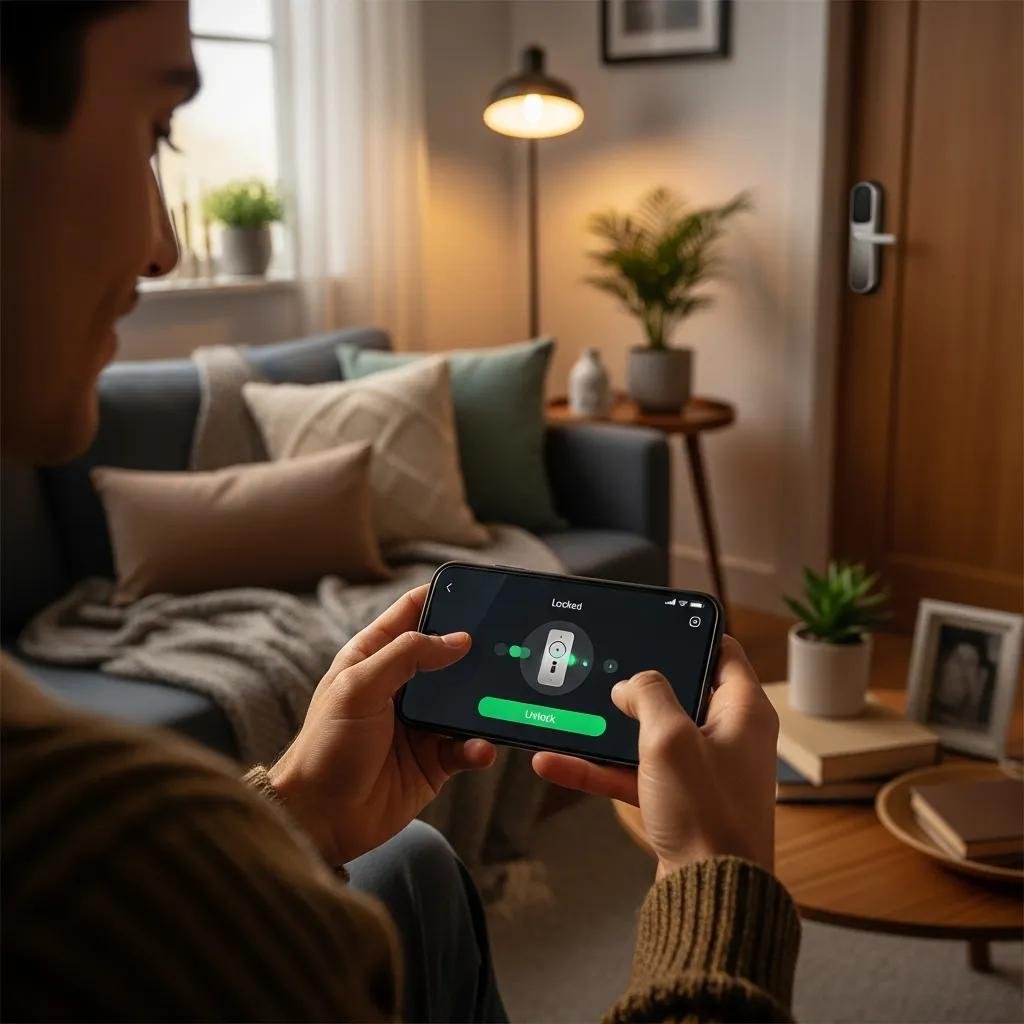
Remote access allows you to control your lock from anywhere, providing peace of mind when you’re away from home. Temporary guest codes enable you to grant access to visitors without sharing your primary code, making it ideal for short-term guests. Voice control compatibility with smart assistants like Alexa or Google Assistant adds an extra layer of convenience, allowing you to unlock your door hands-free.
How Compatible Are Smart Locks with Alexa, Google Assistant, and HomeKit?
Many smart locks are designed to work seamlessly with popular smart home platforms like Alexa, Google Assistant, and Apple HomeKit. This compatibility allows for easy integration into your existing smart home ecosystem, enabling you to control your lock through voice commands or automation routines.
What Practical Considerations Affect Smart Lock Performance and Installation?
When choosing a smart lock, several practical considerations can impact its performance and installation.
How Important Are Battery Life, Weatherproofing, and Durability?
Battery life is a critical factor, as smart locks rely on batteries for operation. Look for locks with long-lasting batteries to minimize maintenance. Weatherproofing ensures that your lock can withstand the elements, while durability is essential for long-term performance. Choosing a lock with robust construction will help protect it from wear and tear.
When Should You Choose Professional Installation Over DIY?
While many smart locks are designed for easy DIY installation, some may require professional installation for optimal performance. If you’re unsure about the installation process or want to ensure that your lock is set up correctly, hiring a professional can provide peace of mind and ensure that your lock functions as intended.
How to Choose the Best Smart Lock for Your Residential or Commercial Needs in Charlotte, NC?
Selecting the right smart lock involves considering various factors, including local conditions and specific security needs.
What Smart Lock Features Suit Lake Norman Homes and Local Weather Conditions?
In the Lake Norman area, smart locks should be weather-resistant to withstand humidity and temperature fluctuations. Features like remote access and compatibility with local smart home systems can enhance usability and security for homeowners in this region.
Which Commercial Smart Lock Solutions Offer Optimal Security and Convenience?
For commercial properties, smart locks that offer advanced security features, such as biometric authentication and activity logs, are essential. Additionally, locks that integrate with existing security systems can provide a comprehensive security solution for businesses.
My Locksmith Express is a professional, mobile locksmith service operating 24/7 in Charlotte, NC, and the Lake Norman region. Their core services include emergency car lockouts, key replacement, residential lock services, and commercial security solutions. The company explicitly offers smart lock systems and smart lock installation as part of its residential and commercial offerings, ensuring that you can find the right solution tailored to your specific needs.
| Smart Lock Type | Connectivity | Key Features |
|---|---|---|
| Bluetooth Smart Locks | Bluetooth | Easy access, no internet required |
| Wi-Fi Smart Locks | Wi-Fi | Remote access, smartphone control |
| Z-Wave Smart Locks | Z-Wave | Smart home integration, low energy |
| Zigbee Smart Locks | Zigbee | Central hub control, automation |
| Matter Smart Locks | Matter | Unified smart home compatibility |
Smart locks offer a range of features that enhance security and convenience. When selecting a smart lock, consider the following key features:
- Connectivity Options: Choose between Bluetooth, Wi-Fi, Z-Wave, Zigbee, or Matter based on your smart home setup.
- Authentication Methods: Evaluate biometric (primarily fingerprint), keypad, smartphone app, and physical key options for access.
- Security Features: Look for encryption, tamper alerts, and ANSI/BHMA ratings to ensure robust protection.
- Convenience Features: Consider remote access, temporary guest codes, and voice control for ease of use.