
Best Ways to Secure Valuables in Your Home: Expert Guide to Home Safe Installation and Security Upgrades
Securing your valuables at home is a critical concern for many homeowners. With rising burglary rates in some areas and increasing awareness of personal safety, understanding the best methods to protect your assets is essential. This comprehensive guide will explore various strategies for securing valuables, including the installation of home safes and advanced security upgrades. By implementing these measures, you can significantly reduce the risk of theft and ensure peace of mind.
Many individuals struggle with finding effective solutions to safeguard their belongings. This article will provide insights into the most effective home safe options, advanced residential security upgrades, clever hiding places for valuables, integrated home security systems, and best practices for securing specific items like jewelry and important documents. By the end of this guide, you will be equipped with the knowledge to enhance your home security effectively.
What Are the Most Effective Home Safe Options for Protecting Valuables?
Home safes are a vital component of any security strategy, providing a secure location for your most valuable items. The effectiveness of a home safe largely depends on its type, features, and installation. Various options are available, including fire-resistant and waterproof safes, which offer additional protection against environmental hazards.
Which Types of Home Safes Offer Fireproof and Waterproof Protection?
Fire-resistant and waterproof safes are designed to protect your valuables from extreme conditions. Fire-resistant safes can withstand high temperatures, ensuring that important documents and valuables remain intact during a fire. Waterproof safes, on the other hand, protect against water damage from floods or firefighting efforts.
Some popular options include:
- Fire-Resistant Safes: These safes are rated to withstand temperatures typically up to 1,400°F to 1,800°F for a specific duration, depending on the model and certification, ensuring that contents remain safe during a fire.
- Waterproof Safes: Designed to keep contents dry even when exposed to water, these safes are ideal for protecting important documents and electronics.
- Combination Safes: Offering both fire and water resistance, these safes provide comprehensive security for your valuables.
How Does Professional Safe Installation Enhance Security in Charlotte Homes?
Professional safe installation is crucial for maximizing the security of your home safe. Expert locksmiths ensure that safes are properly anchored and positioned to prevent unauthorized access. They can also provide guidance on the best locations for installation, taking into account factors such as visibility and accessibility.
In Charlotte, My Locksmith Express specializes in safe installation, ensuring that your safe is not only secure but also conveniently located for your needs. Their expertise in residential locksmith services guarantees that your valuables are well protected.
How Can Advanced Residential Security Upgrades Improve Valuables Protection?
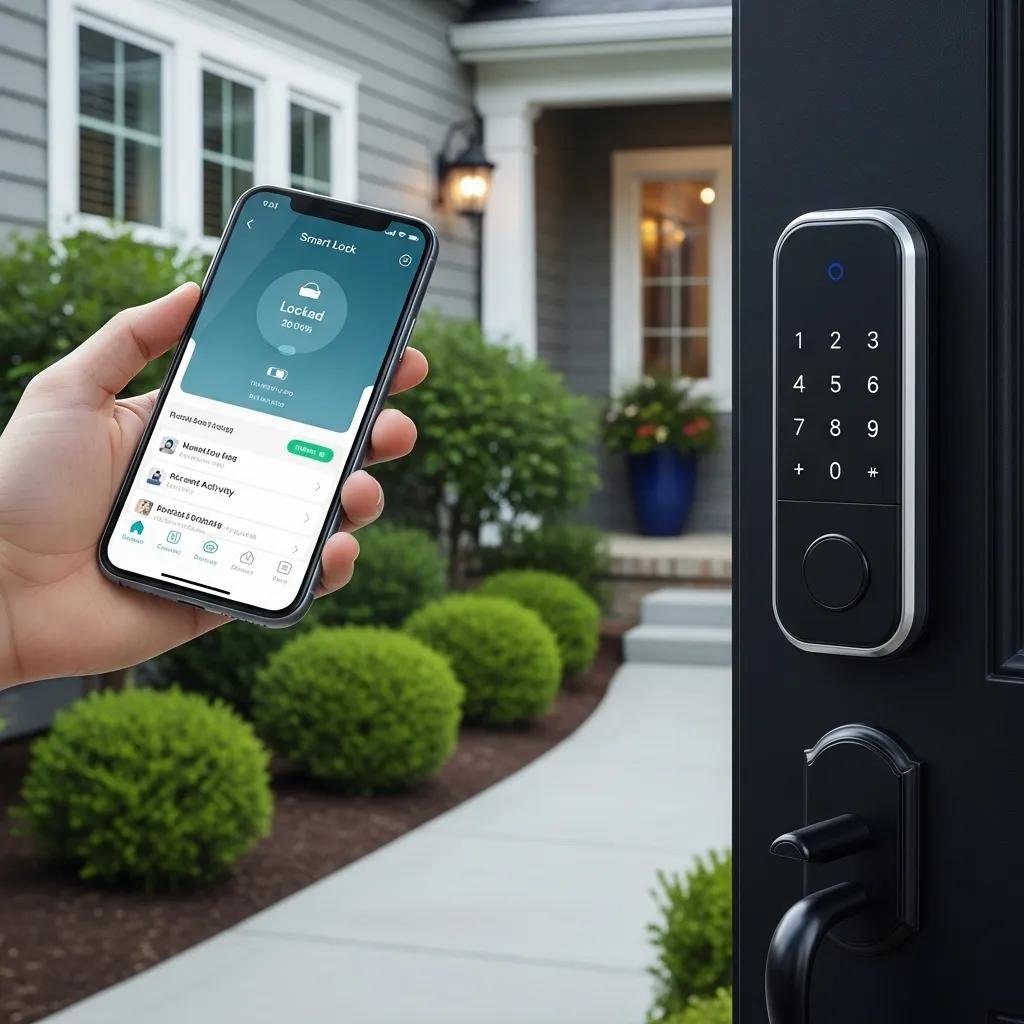
Upgrading your home security system can significantly enhance the protection of your valuables. Advanced security measures, such as smart locks and high-security deadbolts, provide an additional layer of defense against potential intruders.
What Are the Benefits of Smart Locks and High-Security Deadbolts?
Smart locks offer convenience and enhanced security features that traditional locks cannot match. They allow homeowners to control access remotely, monitor entry points, and receive alerts about suspicious activity. High-security deadbolts, on the other hand, are designed to resist picking and drilling, making them a formidable barrier against break-ins.
- Remote Access: Smart locks can be controlled via smartphone apps, allowing you to lock or unlock your door from anywhere.
- Activity Monitoring: Many smart locks provide logs of who accessed your home and when, enhancing your ability to monitor security.
- Enhanced Durability: High-security deadbolts are constructed with advanced materials that resist tampering and forced entry.
When Should You Rekey or Replace Locks for Optimal Safety?
Rekeying or replacing locks is essential when you move into a new home or if you suspect that your keys have been compromised. Rekeying involves changing the internal mechanism of the lock so that old keys no longer work, while replacing locks provides a fresh start with new hardware.
Signs that you should consider rekeying or replacing your locks include:
- Lost Keys: If you’ve lost your keys, rekeying is a cost-effective way to secure your home.
- Wear and Tear: Locks that are difficult to turn or show signs of damage should be replaced to ensure security.
- Change in Occupancy: If someone moves out or you have new tenants, rekeying is a prudent measure.
What Are Clever and Secure Hiding Places for Valuables at Home?
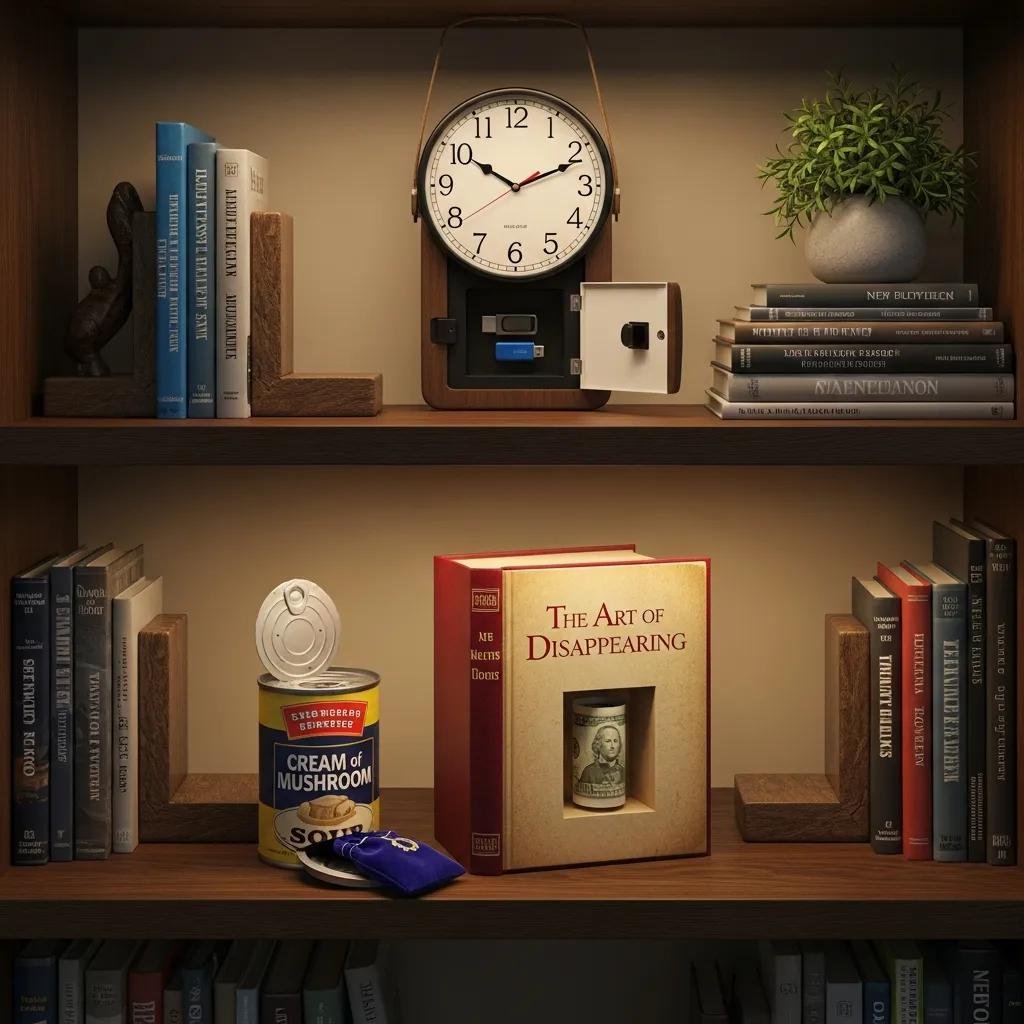
In addition to using safes, finding clever hiding places for your valuables can further enhance security. Burglars often target obvious locations, so creative concealment strategies can help protect your assets.
Which Creative Concealment Strategies Avoid Common Burglary Targets?
To effectively hide valuables, consider the following strategies:
- False Electrical Outlets: These can be installed to create a hidden compartment for small valuables.
- Hollowed-Out Books: Placing valuables inside a book on a shelf can deter thieves who typically overlook such items.
- Underfloor Storage: Concealing valuables beneath floorboards or in crawl spaces can provide an extra layer of security.
How to Use Diversion Safes and Hidden Compartments Effectively?
Diversion safes are designed to look like everyday household items, making them an excellent choice for hiding valuables. Examples include:
- Fake Cans: These look like regular food cans but have a hidden compartment for storing cash or jewelry.
- Wall Clocks: Some wall clocks are designed with hidden compartments, providing a discreet storage option.
- Books with Hidden Compartments: These can be placed on shelves, blending in with other books while securely hiding valuables.
How Do Integrated Home Security Systems Deter Burglars and Protect Assets?
Integrated home security systems combine various security measures to create a comprehensive defense against burglary. These systems often include alarm systems, security cameras, and smart home technology, working together to deter potential intruders.
What Role Do Alarm Systems and Security Cameras Play in Home Security?
Alarm systems are a critical component of home security, providing immediate alerts in the event of a break-in. Security cameras enhance this protection by allowing homeowners to monitor their property in real-time.
- Immediate Alerts: Alarm systems notify homeowners and authorities of unauthorized access, enabling a swift response.
- Deterrence: The presence of security cameras can deter burglars from attempting to break in, knowing they are being watched.
- Evidence Collection: In the event of a crime, security footage can provide valuable evidence for law enforcement.
How Can Smart Home Integration Enhance Overall Burglary Prevention?
Smart home technology allows for seamless integration of various security measures, enhancing overall protection. Homeowners can control locks, cameras, and alarms from a single app, making it easier to manage security.
- Remote Monitoring: Homeowners can check camera feeds and lock doors from anywhere, providing peace of mind.
- Automated Alerts: Smart systems can send notifications for unusual activity, allowing for quick action.
- Energy Efficiency: Many smart systems can also manage energy use, providing additional benefits beyond security.
How Should Specific Valuables Like Jewelry and Important Documents Be Secured?
Certain items, such as jewelry and important documents, require special attention when it comes to security. Implementing best practices for safeguarding these valuables can prevent loss and ensure their protection.
What Are the Best Practices for Safeguarding Jewelry Collections at Home?
To protect your jewelry, consider the following practices:
- Use a Safe: Store valuable jewelry in a fire-resistant and waterproof safe to protect against theft and environmental damage.
- Inventory Management: Keep a detailed inventory of your jewelry, including photographs and appraisals, to assist in recovery if stolen.
- Regular Checks: Periodically check your jewelry collection to ensure everything is accounted for and in good condition.
How to Protect Important Documents Using Fireproof Safes and Security Measures?
Important documents, such as passports and legal papers, should be stored securely. Fire-resistant safes are ideal for this purpose, providing protection against fire and water damage.
- Document Organization: Keep documents organized in labeled folders within the safe for easy access.
- Digital Copies: Create digital backups of important documents to ensure you have access even if the physical copies are lost.
- Secure Access: Limit access to the safe to trusted individuals to prevent unauthorized access.
| Safe Type | Protection Level | Features |
|---|---|---|
| Fire-Resistant Safe | High | Protects against fire damage up to approximately 1,400°F to 1,800°F depending on certification |
| Waterproof Safe | High | Keeps contents dry even when exposed to water |
| Combination Safe | Very High | Offers both fire and water resistance |
In conclusion, securing your valuables at home requires a multifaceted approach that includes the use of home safes, advanced security upgrades, clever hiding places, and best practices for specific items. By implementing these strategies, you can significantly enhance the protection of your assets and enjoy greater peace of mind.