Table of Contents
ToggleDesigning a Safe Room: Essential Considerations for Secure Home and Business Protection
In an increasingly unpredictable world, the importance of having a safe room cannot be overstated. A safe room serves as a secure space designed to protect individuals from various threats, including natural disasters and home invasions. This article will guide you through the essential considerations for designing a safe room, ensuring that you are well-prepared for emergencies. You will learn about the definition and significance of safe rooms, how to choose the best location and materials, key features of high-security doors, and how to integrate essential systems for safety and comfort. Additionally, we will explore FEMA and ICC 500 guidelines for compliance and how My Locksmith Express can enhance your safe room security in Charlotte and Lake Norman.
What Is a Safe Room and Why Is it Important in Charlotte, NC?
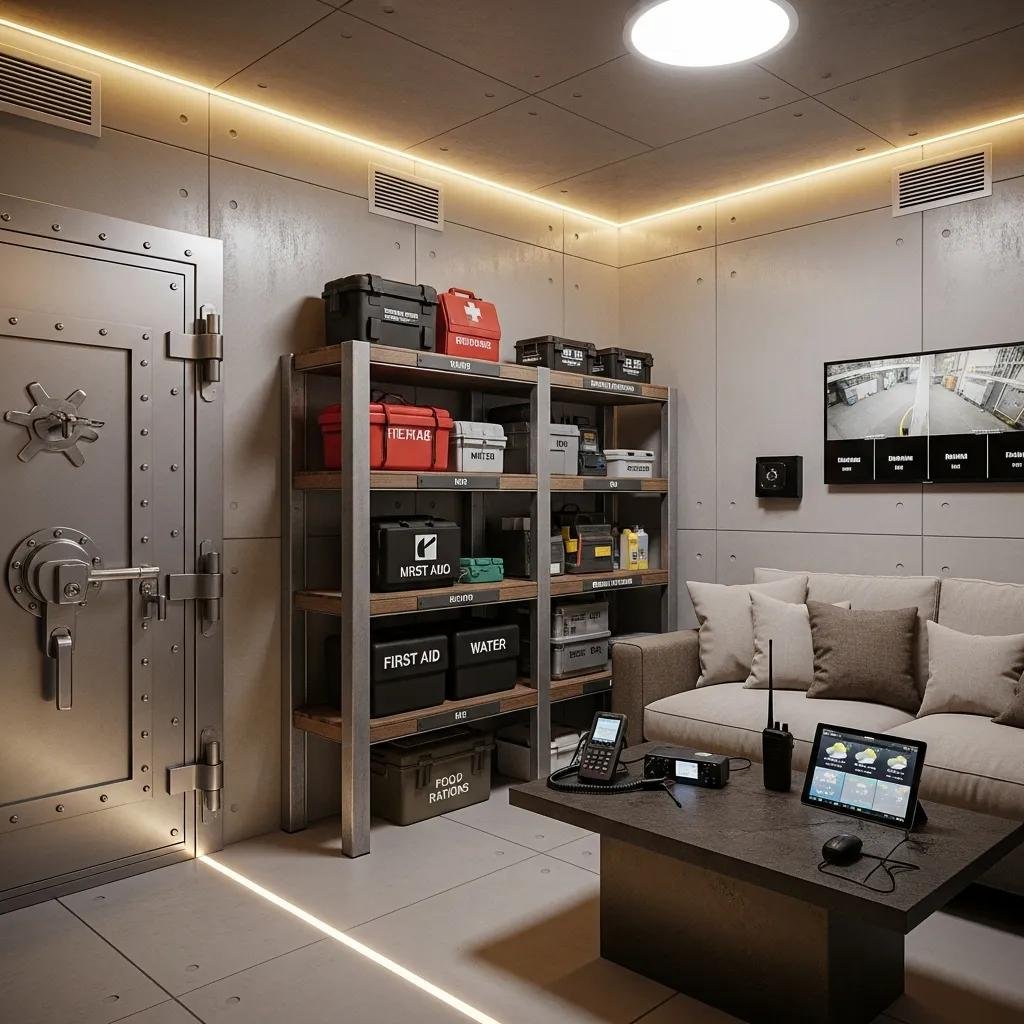
A safe room is a fortified space within a home or business designed to provide protection during emergencies. These rooms are crucial for safeguarding occupants against threats such as severe weather, home invasions, or other emergencies. In Charlotte, NC, where tornadoes and home invasions are potential risks, having a safe room can be a vital component of emergency preparedness.
Defining Safe Rooms, Panic Rooms, and Storm Shelters
Safe rooms, panic rooms, and storm shelters are often used interchangeably, but they serve different purposes. A safe room is a secure area within a building, designed to protect against intruders or severe weather. Panic rooms are similar but are often equipped with communication systems and supplies for short-term stays. Storm shelters, on the other hand, are specifically designed to withstand tornadoes and severe storms, often built underground or with reinforced materials.
Local Threats: Tornadoes, Home Invasions, and Emergency Preparedness
Charlotte faces specific threats, including tornadoes and home invasions. According to local statistics, the region experiences occasional tornado warnings each year, making it important for residents to have a plan. Additionally, home invasions can occur, emphasizing the need for a secure space. Preparing a safe room can significantly enhance your emergency preparedness, providing peace of mind during uncertain times.
How to Choose the Best Location and Structural Reinforcements for Your Safe Room
Selecting the right location for your safe room is critical to its effectiveness. The placement should consider accessibility, concealment, and structural integrity.
Optimal Safe Room Placement: Basement, Interior, or Hidden Spaces
The best placement for a safe room often depends on the layout of your home. Basements are ideal due to their natural protection from severe weather. Interior rooms, such as closets or bathrooms, can also serve as effective safe rooms, especially if they are away from windows. Hidden spaces, like behind bookcases or in attics, can provide additional security against intruders.
Materials and Construction: Reinforced Concrete, Steel Walls, and Ceilings
The materials used in constructing a safe room are crucial for its effectiveness. Reinforced concrete is a popular choice due to its strength and durability. Steel walls and ceilings can also provide significant protection against both intruders and severe weather. When designing your safe room, consider using a combination of these materials to enhance security.
What Are the Key Features of High-Security Doors and Locking Mechanisms?
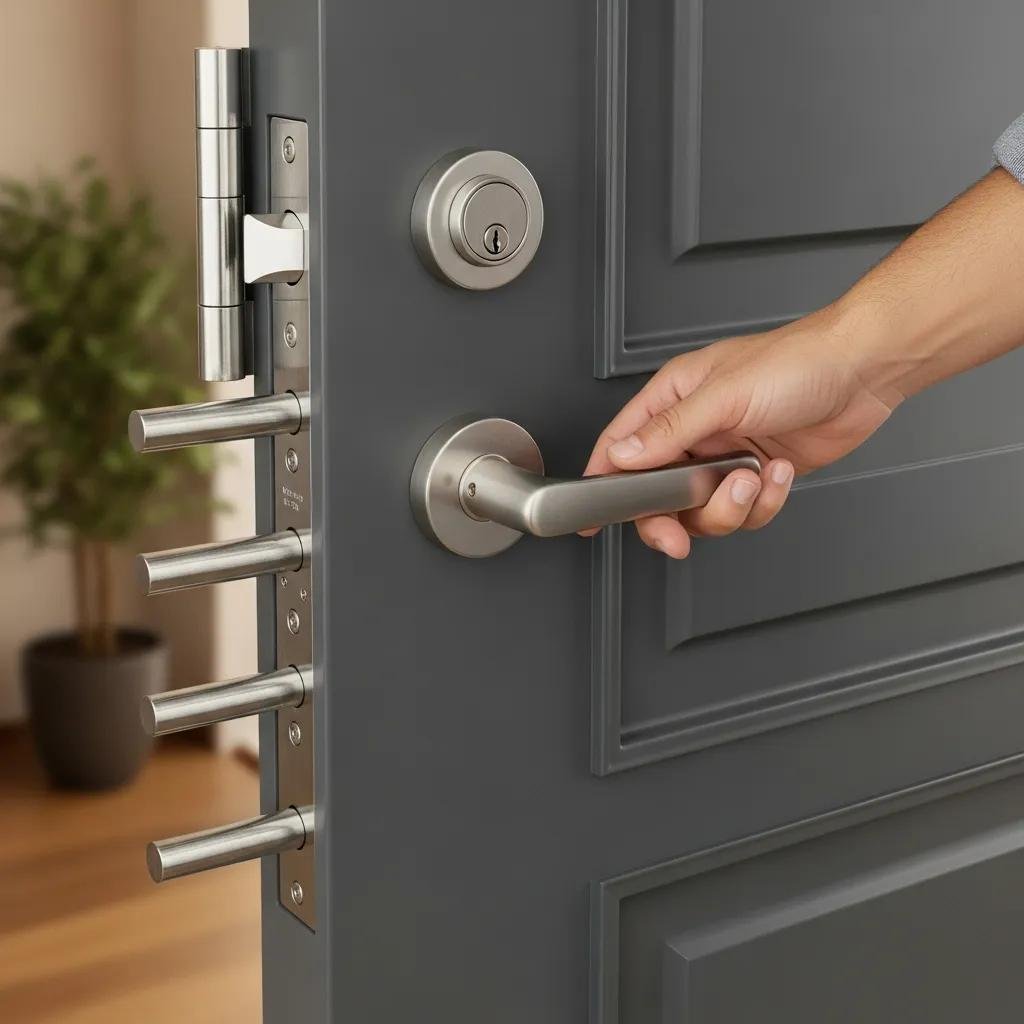
High-security doors and locking mechanisms are essential components of any safe room. They provide the first line of defense against unauthorized access.
Steel Safe Room Doors with Multi-Point Locking Systems
Steel doors are highly recommended for safe rooms due to their strength and resistance to forced entry. Multi-point locking systems enhance security by locking at multiple points along the door frame, making it much more difficult for intruders to breach the door.
Advanced Lock Options: Biometric, Keypad, and Smart Locks
In addition to traditional locks, advanced options such as biometric locks, keypad entry, and smart locks offer enhanced security features. Biometric locks use fingerprint recognition, while keypad locks allow for keyless entry. Smart locks can be controlled remotely, providing convenience and security for safe room access.
How to Integrate Communication, Ventilation, and Emergency Supplies in Safe Rooms
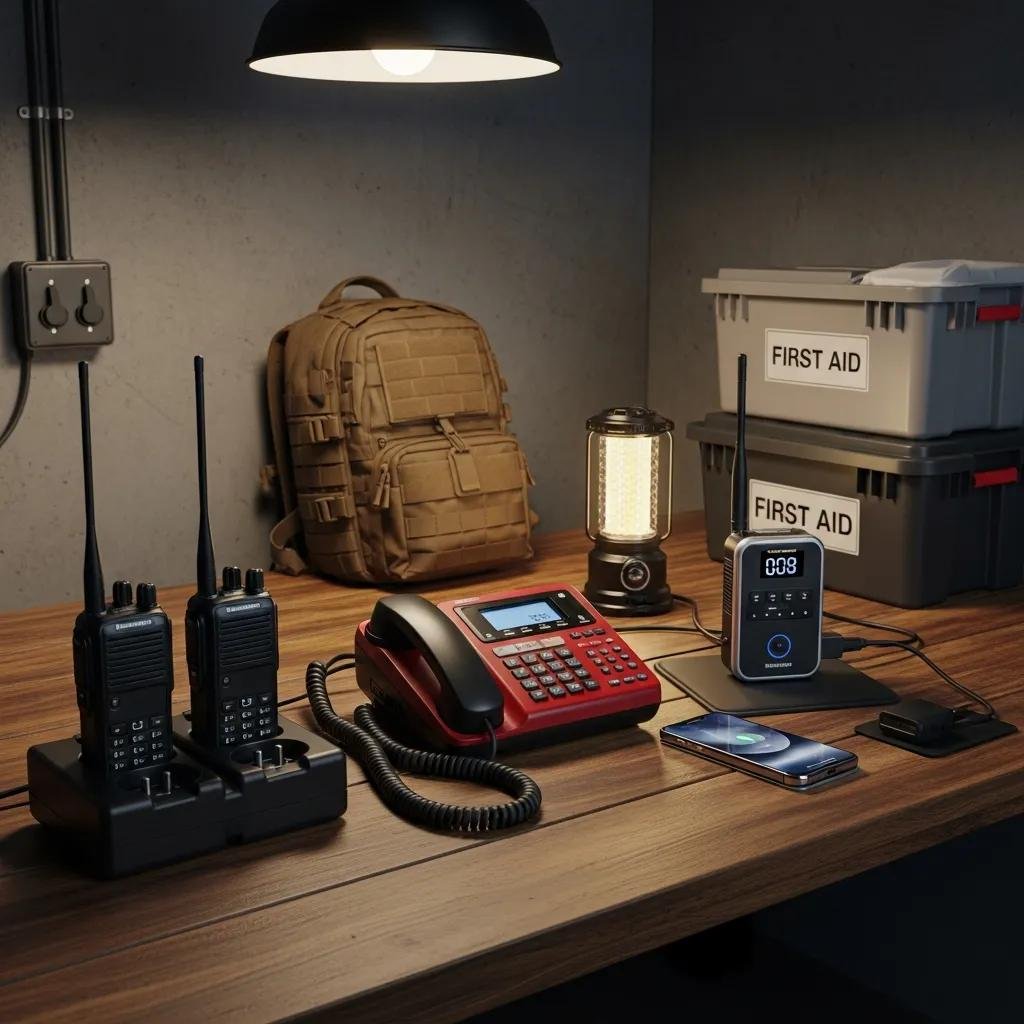
A well-designed safe room should include essential systems for communication, ventilation, and emergency supplies to ensure occupant safety and comfort.
Emergency Communication Systems: Landlines, Cell Boosters, and Two-Way Radios
Having a reliable communication system is vital during emergencies. Landlines can be more reliable than cell phones during power outages, while cell boosters can enhance signal strength. Two-way radios are also an excellent option for maintaining communication with family members or emergency services.
Ventilation and Environmental Controls for Safety and Comfort
Proper ventilation is crucial in a safe room to prevent suffocation and maintain comfort. Consider installing air filtration systems or vents that can be opened in emergencies. Environmental controls, such as temperature regulation, can also enhance the safety and comfort of occupants during extended stays.
What Are FEMA and ICC 500 Guidelines for Safe Room Compliance?
Understanding compliance guidelines is essential for ensuring that your safe room meets safety standards.
Understanding FEMA P-361 Standards for Residential Safe Rooms
FEMA P-361 provides guidelines for designing safe rooms that can withstand extreme weather events. These standards outline the necessary structural reinforcements and materials required to ensure safety during tornadoes and hurricanes. Adhering to these guidelines can significantly enhance the effectiveness of your safe room.
ICC 500 Requirements and Local Building Codes in North Carolina
The ICC 500 standards complement FEMA guidelines and provide additional requirements for safe room construction. Local building codes in North Carolina may also have specific regulations that must be followed. It is essential to consult with local authorities to ensure compliance with all relevant codes.
How Can My Locksmith Express Enhance Your Safe Room Security in Charlotte and Lake Norman?
My Locksmith Express offers specialized services to enhance the security of your safe room, ensuring that it meets the highest standards of safety.
Professional Installation of High-Security Locks and Access Control Systems
Our team provides professional installation of high-security locks and access control systems tailored to your safe room’s needs. With expertise in the latest security technologies, we ensure that your safe room is equipped with the best locking mechanisms available.
Consultation and Custom Solutions for Residential and Commercial Safe Rooms
We offer consultation services to help you design a safe room that meets your specific requirements. Whether for residential or commercial purposes, our custom solutions ensure that your safe room is both functional and secure, providing peace of mind in emergencies.