
Table of Contents
ToggleLock Materials Explained: Durability, Security & SelectionGuide to Lock Materials: Durability and Security for Optimal Protection
When it comes to securing your property, the choice of lock materials plays a crucial role in ensuring durability and security. This guide will explore the various materials used in locks, their properties, and how they contribute to overall security. Understanding these materials can help you make informed decisions when selecting locks for your home or business. Many individuals face challenges in choosing the right lock materials that balance security, durability, and cost. This article aims to provide clarity on these aspects, offering insights into the most durable lock materials, comparisons between different types, and guidance on selecting the best options for your needs. We will cover the most durable lock materials, compare brass and steel locks, explore key types of lock materials, discuss security grades, and provide tips for choosing the right lock material in the Charlotte and Lake Norman areas.
What Are the Most Durable Lock Materials for Security?
Durability in lock materials is essential for maintaining security over time. The most durable lock materials include metals that offer high strength and corrosion resistance, ensuring they withstand various environmental conditions. These materials not only enhance the longevity of the locks but also contribute significantly to their security features.
Which Metals Offer the Highest Strength and Corrosion Resistance?
Several metals are recognized for their strength and resistance to corrosion, making them ideal for lock manufacturing. The following metals are commonly used:
- Stainless Steel: Known for its excellent strength and resistance to rust, stainless steel is a popular choice for high-security locks.
- Brass: While not as strong as stainless steel, brass offers good corrosion resistance and is often used in residential locks.
- High-Carbon Steel: This metal provides superior strength and is often used in heavy-duty locks, although it requires protective coatings or treatments to prevent rust.
These metals are selected based on their ability to withstand physical attacks and environmental factors, ensuring that locks remain functional and secure over time.
How Do Material Properties Impact Lock Longevity and Security?
The properties of lock materials directly influence their longevity and security. For instance, materials with high tensile strength can resist forced entry attempts, while corrosion-resistant materials ensure that locks function properly even in harsh weather conditions. Additionally, the choice of material affects the lock’s weight and ease of use, which can also impact security. Understanding these properties helps consumers select locks that not only last longer but also provide better protection against unauthorized access.
How Do Brass and Steel Locks Compare in Durability and Security?
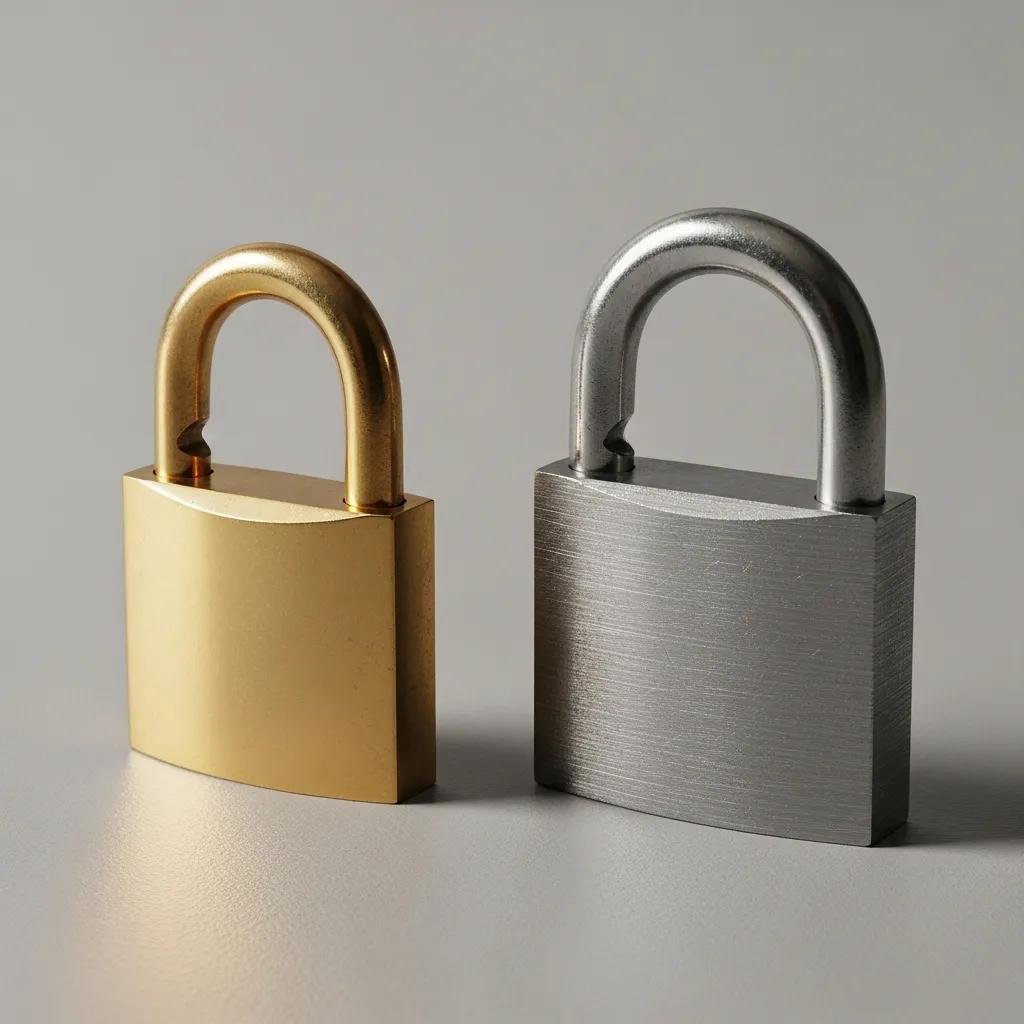
Brass and steel locks are two of the most common types used in residential and commercial settings. Each material has its advantages and disadvantages that can affect their performance in different environments.
What Are the Advantages and Disadvantages of Brass Locks?
Brass locks are favored for their aesthetic appeal and resistance to corrosion. They are often used in residential applications due to their attractive finish. However, brass locks can be softer than steel locks, making them more susceptible to physical wear and certain types of forced entry over time.
- Advantages:Corrosion-resistantAttractive appearanceGood for indoor use
- Disadvantages:Softer than steel, less resistant to physical attacksCan be more easily picked or forced open compared to hardened steel locks
Why Are Stainless Steel Locks Preferred for Commercial Security?
Stainless steel locks are often preferred for commercial security due to their strength and durability. They are designed to withstand heavy use and resist tampering, making them ideal for high-traffic areas.
- Advantages:High strength and durabilityExcellent resistance to corrosionSuitable for outdoor use
- Disadvantages:Heavier than brass locksCan be more expensive
The choice between brass and stainless steel locks ultimately depends on the specific security needs and aesthetic preferences of the user.
What Are the Key Types of Lock Materials and Their Security Features?
Lock materials vary widely, each offering unique security features that cater to different needs. Understanding these materials can help in selecting the right lock for specific applications.
What Are the Characteristics of Zinc Alloy and Aluminum Locks?
Zinc alloy and aluminum locks are lightweight options that provide moderate security for residential applications.
- Zinc Alloy: Offers good corrosion resistance and is often used in combination with other materials for added strength. However, zinc alloy is generally softer and less durable than steel or brass.
- Aluminum: Lightweight and resistant to rust, aluminum locks are suitable for less demanding applications but typically do not provide the same level of security as steel or brass.
How Do High-Carbon Steel and Titanium Enhance Lock Security?
High-carbon steel and titanium are advanced materials that significantly enhance lock security.
- High-Carbon Steel: Known for its exceptional strength, it is often used in heavy-duty locks that require resistance to cutting, drilling, and physical attacks. It usually requires protective coatings to prevent corrosion.
- Titanium: While more expensive, titanium locks offer an excellent strength-to-weight ratio and outstanding corrosion resistance, making them ideal for high-security and specialized applications.
These materials are often used in high-security environments where maximum protection is necessary.
How Do Lock Security Grades Relate to Material Durability?
Lock security grades are essential indicators of a lock’s durability and resistance to forced entry. Understanding these grades can help consumers make informed choices.
What Is the Significance of ANSI/BHMA Grade 1, 2, and 3 Locks?
The American National Standards Institute (ANSI) and the Builders Hardware Manufacturers Association (BHMA) classify locks into three grades based on their performance:
- Grade 1: Highest level of security, suitable for commercial and heavy-duty residential applications.
- Grade 2: Medium level of security, often used in residential and light commercial settings.
- Grade 3: Basic level of security, suitable for low-traffic or interior doors.
These grades reflect the lock’s ability to withstand various forms of attack, with higher grades indicating better durability and security.
How Do Certifications Influence Lock Material Selection?
Certifications play a crucial role in the selection of lock materials. Locks that meet specific standards are often more reliable and durable.
- ANSI/BHMA Certification: Ensures that locks have been tested for strength, durability, and operational performance.
- UL Certification: Indicates that locks have been tested for fire resistance and other safety features.
Choosing certified locks can provide peace of mind, knowing that they meet industry standards for security and durability.
How to Choose the Right Lock Material for Your Residential or Commercial Needs in Charlotte and Lake Norman?
Selecting the right lock material involves considering various factors, including security needs, environmental conditions, and aesthetic preferences.
What Factors Should Influence Lock Material Selection Locally?
In the Charlotte and Lake Norman areas, local climate and security needs should influence the choice of lock materials.
- Climate Considerations: Humidity and temperature fluctuations can affect the performance of certain materials. For instance, stainless steel is often preferred in humid environments due to its corrosion resistance.
- Security Needs: High-crime areas may require more robust locks, such as those made from high-carbon steel or titanium.
How Does Environment Affect Lock Material Performance?
The environment plays a significant role in the performance of lock materials.
- Humidity: High humidity can lead to rust in non-corrosion-resistant materials.
- Temperature: Extreme temperatures can affect the functionality of locks, making it essential to choose materials that can withstand local conditions.
Understanding these environmental factors can help in selecting locks that will perform reliably over time.
How Can My Locksmith Express Help with Lock Material Selection and Installation?
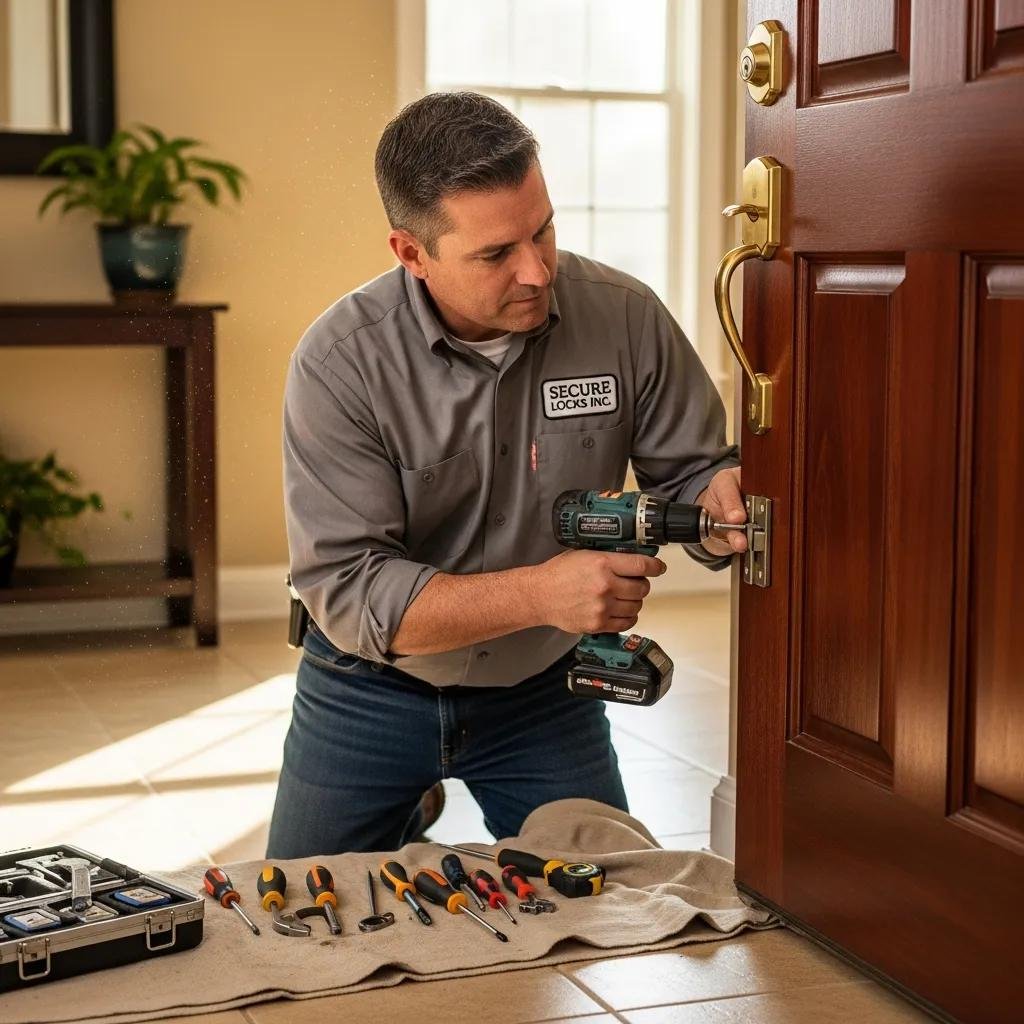
My Locksmith Express offers expert guidance in selecting and installing the right lock materials for your needs. With a focus on providing fast and reliable locksmith services, we cater to automotive, residential, and commercial clients in the Charlotte and Lake Norman areas.
What Services Are Offered for High-Security Lock Installation?
Our services include the installation of high-security locks that are designed to provide maximum protection. We offer a range of options, including:
- High-Carbon Steel Locks: For enhanced durability and resistance to forced entry.
- Stainless Steel Locks: Ideal for commercial applications requiring robust security.
Why Choose Local Experts for Durable Lock Solutions?
Choosing local experts like My Locksmith Express ensures that you receive personalized service and expert advice tailored to your specific needs. Our team understands the local environment and security challenges, allowing us to recommend the best lock materials for your situation. Additionally, our quick response times ensure that your security needs are met promptly and efficiently.