
Table of Contents
ToggleExtend Lock Lifespan with Proper Maintenance: Essential Lock Lubrication and Care Tips
Locks are essential components of our security systems, and their longevity is crucial for maintaining safety in our homes, businesses, and vehicles. Proper maintenance, particularly through regular lubrication and care, can significantly extend the lifespan of locks. This article will provide you with essential tips on how to maintain your locks effectively, ensuring they function smoothly and securely for years to come. You will learn about the recommended lubrication frequency, the best lubricants to use, effective cleaning methods, signs that indicate when professional maintenance is needed, and how to care for different types of locks. By following these guidelines, you can prevent costly repairs and enhance the security of your property.
How Often Should You Lubricate Your Locks to Maximize Lifespan?
Regular lubrication is vital for the smooth operation of locks, preventing wear and tear that can lead to malfunction. The frequency of lubrication depends on the type of lock and its usage.
Recommended Lubrication Frequency for Residential, Commercial, and Automotive Locks
For residential locks, it is advisable to lubricate them at least once a year. Commercial locks, which experience more frequent use, should be lubricated every three to six months depending on usage intensity. Automotive locks, exposed to various weather conditions, benefit from lubrication every three to six months. Regular maintenance not only ensures smooth operation but also helps in identifying potential issues before they escalate.
Signs Indicating Your Lock Needs Immediate Lubrication
There are several signs that indicate a lock requires immediate lubrication. If you notice difficulty in turning the key, unusual noises when locking or unlocking, or if the lock feels stiff, these are clear indicators that lubrication is needed. Ignoring these signs can lead to more severe issues, including complete lock failure.
What Are the Best Lubricants for Lock Maintenance and How to Apply Them?
Choosing the right lubricant is crucial for effective lock maintenance. Different lubricants offer various benefits and application methods.
Comparing Popular Lock Lubricants: Graphite, Silicone, and Eco-Friendly Options
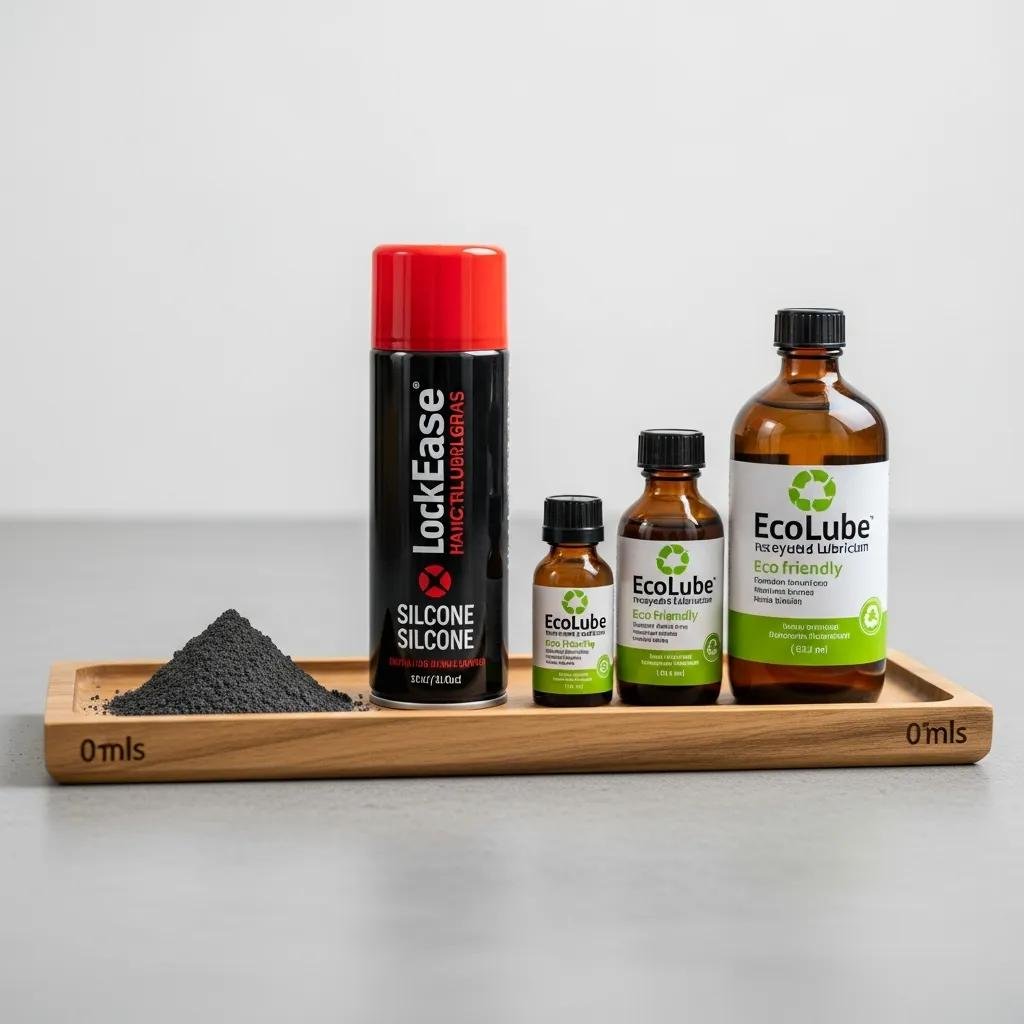
| Lubricant Type | Application Method | Benefits |
|---|---|---|
| Graphite | Apply directly into the keyhole | Excellent for high-security locks, does not attract dust |
| Silicone | Spray or apply with a cloth | Water-resistant, ideal for outdoor locks |
| Eco-Friendly | Apply as per product instructions | Non-toxic, safe for indoor use, biodegradable |
Graphite is often recommended for high-security locks due to its ability to reduce friction without attracting dust. Silicone lubricants are versatile and work well in wet conditions, while eco-friendly options are great for those concerned about environmental impact.
Step-by-Step Guide to Proper Lock Lubrication Techniques
- Clean the Lock: Use a dry cloth to remove any dust or debris from the lock.
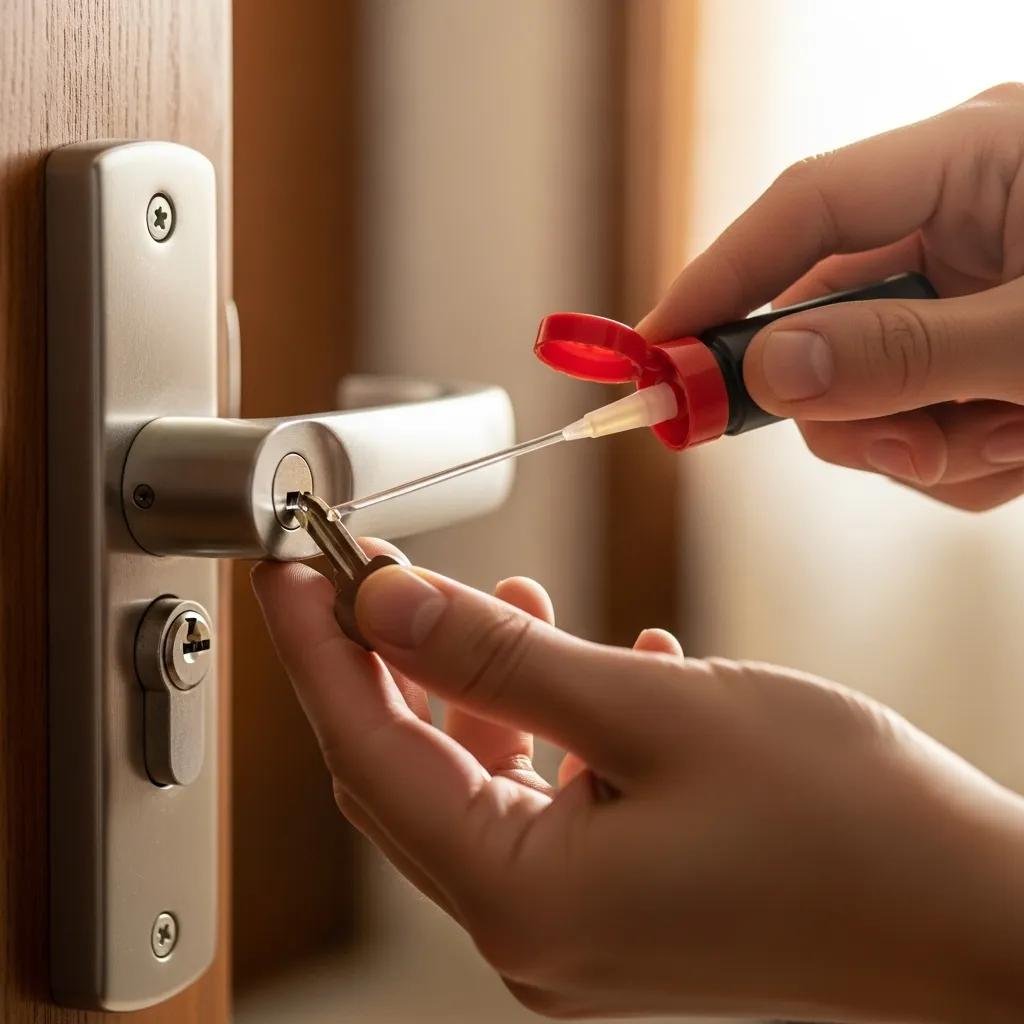
- Apply Lubricant: Insert the nozzle of the lubricant into the keyhole and apply a small amount.
- Work the Key: Insert the key and turn it several times to distribute the lubricant evenly.
- Wipe Excess: Remove any excess lubricant from the exterior of the lock to prevent dirt accumulation.
Following these steps ensures that the lubricant penetrates the lock mechanism effectively, enhancing its performance.
How Can You Clean Door Locks and Prevent Rust to Extend Their Functionality?
Cleaning locks is essential for maintaining their functionality and preventing rust, which can lead to significant issues over time.
Effective Methods for Cleaning Rusty and Dirty Locks Safely
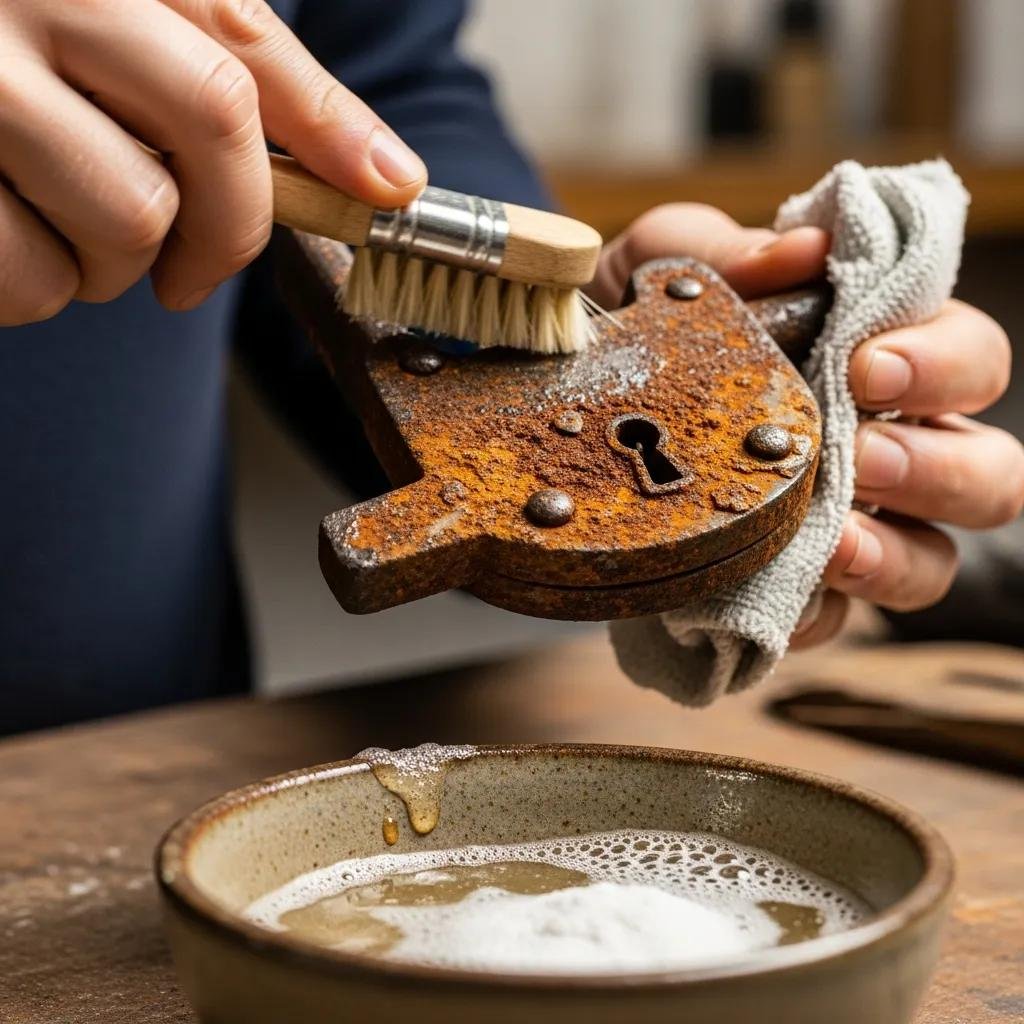
To clean a lock, start by using a soft brush to remove dirt and debris. For rust, a mixture of white vinegar and baking soda can be applied to the affected areas. Allow it to sit for a few minutes before scrubbing gently with a cloth or brush. Rinse with water and dry thoroughly to prevent moisture buildup.
Preventative Measures to Avoid Lock Corrosion and Rust Formation
To prevent rust formation, consider applying a thin layer of silicone lubricant after cleaning. Additionally, ensure that locks are not exposed to excessive moisture, and consider using protective covers for outdoor locks. Regular maintenance checks can help identify early signs of corrosion.
What Are the Signs Your Lock Needs Professional Maintenance or Repair?
Recognizing when a lock requires professional attention is crucial for maintaining security.
Common Lock Wear Indicators and Troubleshooting Tips
Signs that a lock may need professional maintenance include difficulty inserting the key, a lock that does not engage properly, or visible damage to the lock mechanism. If these issues persist after lubrication, it may be time to consult a locksmith.
When to Call a Locksmith for Emergency or Scheduled Maintenance
If you experience a lockout situation or if the lock is severely damaged, calling a locksmith is essential. Additionally, if you notice any unusual behavior from your locks, such as jamming or sticking, it is wise to seek professional help before the problem worsens.
How to Care for Automotive, Residential, and Commercial Locks Differently?
Different types of locks require tailored maintenance strategies to ensure their longevity.
Specialized Maintenance Tips for Automotive Locks
Automotive locks should be lubricated more frequently due to exposure to the elements. Use a silicone-based lubricant or a graphite lubricant to protect against moisture and dirt. Additionally, ensure that the key fob battery is functioning properly, as electronic locks can also fail due to battery issues.
Best Practices for Residential and Commercial Lock Longevity
For residential locks, regular cleaning and lubrication are key. In commercial settings, consider implementing a maintenance schedule that includes inspections and servicing by a professional locksmith. This proactive approach can prevent unexpected failures and enhance security.
Why Regular Lock Maintenance Services in Charlotte and Lake Norman Matter?
Regular maintenance services are essential for ensuring the longevity and functionality of locks.
Benefits of Professional Lock Maintenance for Local Clients
Professional locksmiths can provide thorough inspections and maintenance services that go beyond basic lubrication. They can identify potential issues and offer solutions that may not be apparent to the average homeowner or business owner. This expertise can save time and money in the long run.
How My Locksmith Express Supports Lock Longevity in Charlotte and Lake Norman
My Locksmith Express specializes in delivering fast and reliable locksmith solutions, focusing on lock installation, repair, and maintenance services. By choosing My Locksmith Express, clients in the Charlotte and Lake Norman area can ensure their locks receive the care they need to function optimally and securely.