
Table of Contents
ToggleComprehensive Guide to Key Tracking Systems for Businesses & Organizations
In today’s fast-paced business environment, effective key management is crucial for maintaining security and operational efficiency. This comprehensive guide explores key tracking systems, focusing on their mechanisms, benefits, and applications in various organizational contexts. Readers will learn about electronic key management systems, physical key tracking solutions, and enterprise key management tools, all designed to enhance security and streamline operations. Many organizations struggle with key loss, unauthorized access, and inefficient tracking methods, leading to potential security breaches and operational disruptions. Key tracking systems provide a robust solution to these challenges, ensuring that keys are managed securely and efficiently. This article will cover the essential features of commercial key control systems, how to choose the right system for your needs, and best practices for implementation.
What Are Electronic Key Management Systems and How Do They Benefit Businesses?
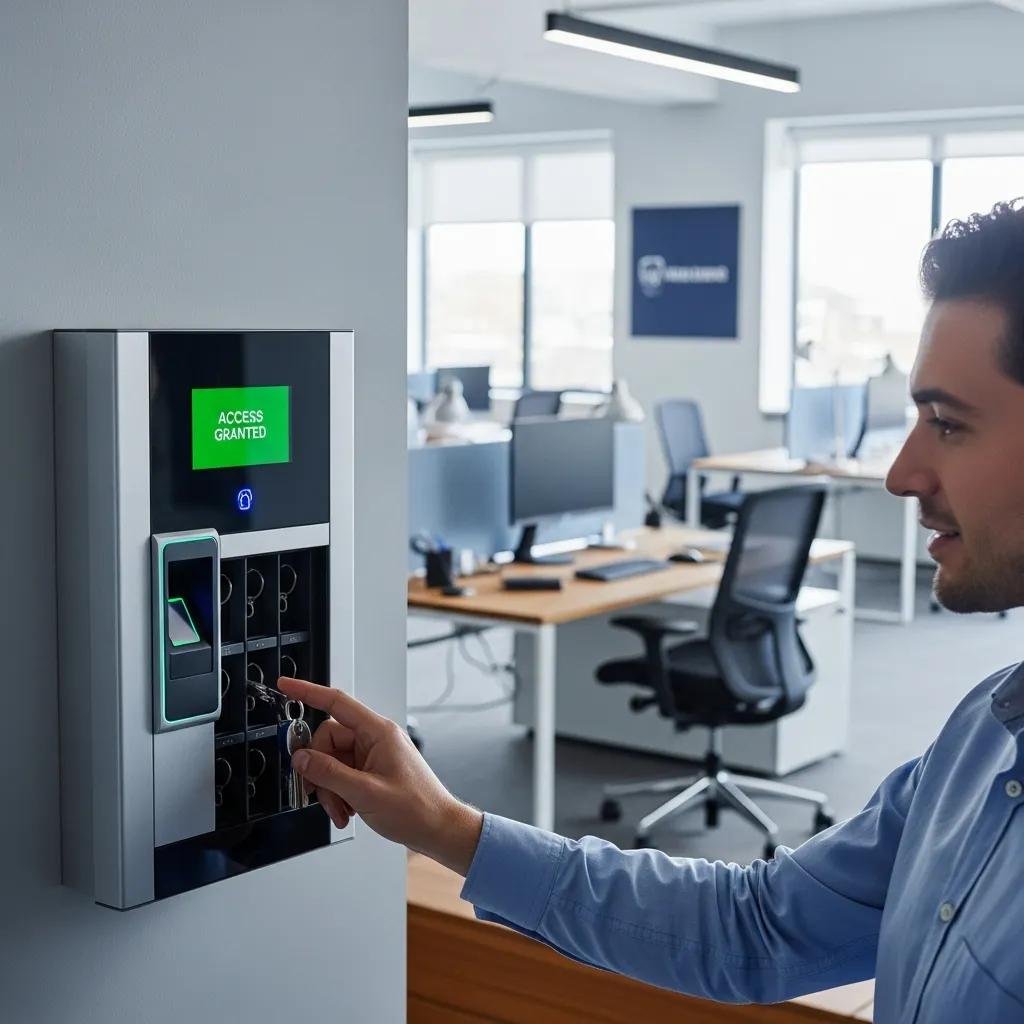
Electronic key management systems (EKMS) are advanced solutions designed to automate and streamline the process of key control within organizations. These systems utilize technology to track, manage, and secure keys, significantly reducing the risk of loss or unauthorized access. By implementing an EKMS, businesses can enhance their security protocols, improve accountability, and simplify key management processes. The benefits of EKMS include improved tracking of key usage, reduced loss of keys, and enhanced security through access control features.
How Do Electronic Key Management Systems Improve Key Control?
Electronic key management systems improve key control by providing real-time tracking and monitoring of key usage. These systems often include features such as audit trails, which log every key transaction, allowing organizations to identify who accessed which keys and when. This level of oversight not only deters unauthorized access but also helps in quickly identifying any discrepancies or issues. Additionally, EKMS can integrate with existing security systems, further enhancing overall security measures.
What Features Should Businesses Look for in Key Control Software?
When selecting key control software, businesses should consider several essential features to ensure they choose the right system for their needs. Key features to look for include:
- User-Friendly Interface: A straightforward interface allows staff to easily navigate the system and manage keys efficiently.
- Integration Capabilities: The ability to integrate with existing security systems, such as access control and surveillance, enhances overall security.
- Reporting Functions: Comprehensive reporting capabilities enable organizations to analyze key usage patterns and identify potential security risks.
Which Physical Key Tracking Solutions Are Best for Commercial Use?
Physical key tracking solutions are essential for businesses that require tangible security measures alongside digital systems. These solutions typically involve the use of key cabinets and tags, which help organizations manage their physical keys effectively. By implementing physical key tracking solutions, businesses can enhance their security posture and ensure that keys are stored and accessed securely.
How Do Physical Key Cabinets and Tags Enhance Security?
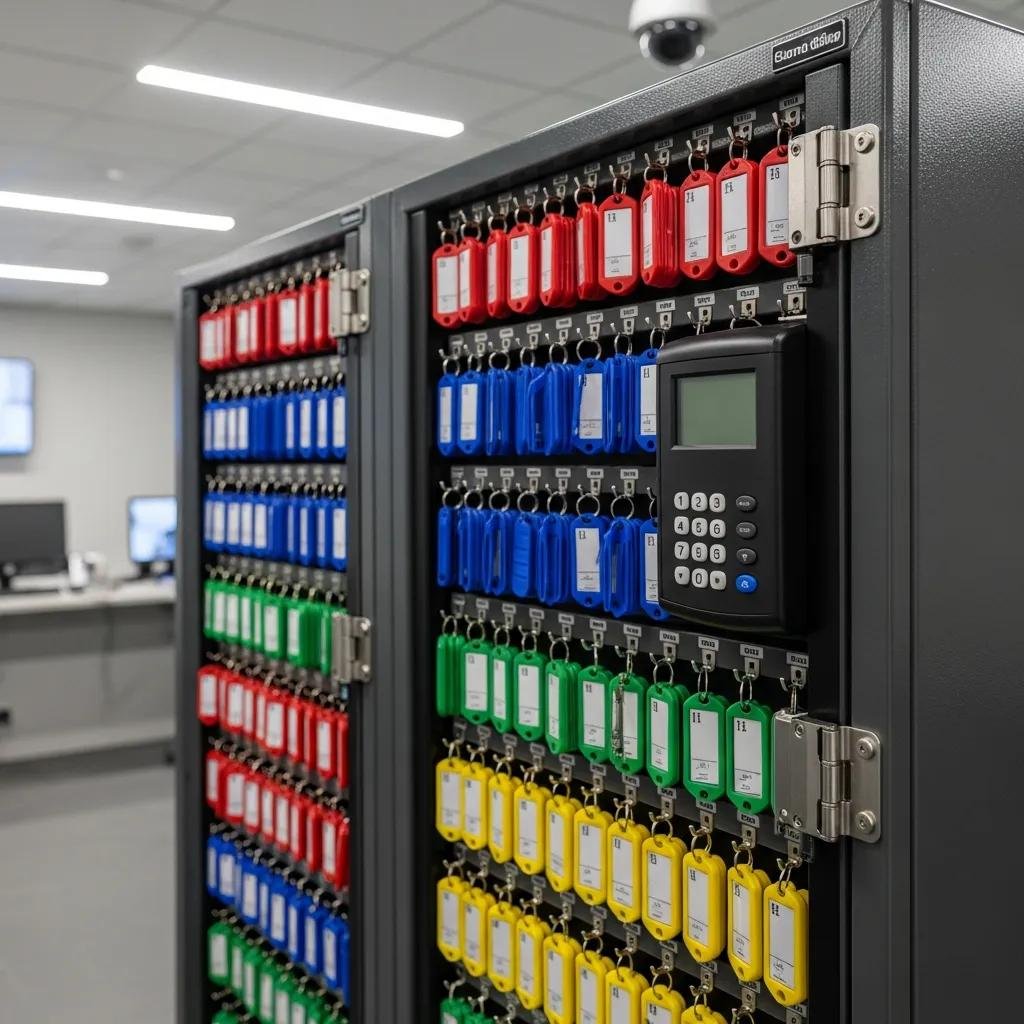
Physical key cabinets and tags enhance security by providing a secure storage solution for keys. Key cabinets are designed to restrict access to authorized personnel only, while key tags help in identifying and organizing keys efficiently. This combination reduces the risk of key loss and unauthorized access, ensuring that only designated individuals can access specific keys. Additionally, many modern key cabinets come equipped with electronic locks and monitoring systems, further bolstering security.
What Are the Advantages of Combining Physical and Digital Key Tracking?
Combining physical and digital key tracking offers several advantages for organizations. A hybrid approach allows businesses to leverage the strengths of both systems, providing comprehensive security and management capabilities. Key benefits include:
- Comprehensive Security: The integration of physical and digital systems ensures that all aspects of key management are covered, reducing vulnerabilities.
- Flexibility: Organizations can adapt their key management strategies to meet evolving security needs and operational requirements.
- Enhanced Tracking: The combination of physical and digital tracking methods allows for more accurate monitoring of key usage and access.
How Do Enterprise Key Management Tools Streamline Organizational Security?
Enterprise key management tools are designed to provide large organizations with robust solutions for managing keys across multiple locations and departments. These tools streamline security processes by offering centralized control and oversight of key management activities. By utilizing enterprise key management tools, organizations can enhance their security measures and ensure compliance with industry regulations.
What Integration Capabilities Do Enterprise Key Management Systems Offer?

Enterprise key management systems often come with advanced integration capabilities, allowing them to connect with various security and management systems. This includes integration with access control systems, surveillance cameras, and alarm systems. Such integration enables organizations to create a cohesive security infrastructure that enhances overall safety and efficiency.
How Do These Tools Support Compliance and Audit Requirements?
Enterprise key management tools support compliance and audit requirements by providing detailed logs and reports of key usage. These records are essential for demonstrating adherence to security policies and regulations. Additionally, the ability to generate audit trails helps organizations quickly respond to any compliance inquiries or security incidents, ensuring that they maintain a strong security posture.
What Are the Key Features of Commercial Key Control Systems?
Commercial key control systems are designed to provide businesses with the tools necessary to manage their keys effectively. These systems typically include a range of features that enhance security and streamline key management processes. Understanding these features is crucial for organizations looking to implement an effective key control solution.
How Do Access Permissions and User Accountability Work?
Access permissions and user accountability are fundamental components of commercial key control systems. These systems allow organizations to set specific access levels for different users, ensuring that only authorized personnel can access certain keys. By tracking user activity, organizations can hold individuals accountable for their key usage, further enhancing security.
What Reporting and Monitoring Functions Are Essential?
Effective reporting and monitoring functions are essential for any key control system. These features enable organizations to analyze key usage patterns, identify potential security risks, and generate reports for compliance purposes. Essential functions include:
- Real-Time Monitoring: Continuous tracking of key usage to detect unauthorized access.
- Automated Reporting: Generation of reports that summarize key activity and usage trends.
- Alerts and Notifications: Immediate alerts for any suspicious activity or security breaches.
How Can Businesses Choose the Right Key Tracking System for Their Needs?
Choosing the right key tracking system is critical for ensuring effective key management and security. Businesses must consider various factors to select a system that aligns with their specific needs and operational requirements.
What Factors Influence the Selection of Key Control Solutions?
Several factors influence the selection of key control solutions, including:
- Business Size: Larger organizations may require more advanced systems with greater scalability.
- Security Needs: The level of security required will dictate the features and capabilities needed in a key tracking system.
- Budget Constraints: Organizations must consider their budget when selecting a key control solution, balancing cost with necessary features.
How Do Cost, Scalability, and Security Impact the Choice?
Cost, scalability, and security are interrelated factors that significantly impact the choice of a key tracking system. Organizations must evaluate the total cost of ownership, including initial investment and ongoing maintenance. Scalability is essential for businesses anticipating growth, as the system should accommodate increasing key management needs without requiring a complete overhaul. Finally, security features must align with the organization’s risk profile to ensure adequate protection against potential threats.
What Are the Best Practices for Implementing Key Tracking Systems in Organizations?
Implementing key tracking systems effectively requires careful planning and execution. Organizations should follow best practices to ensure a smooth transition and maximize the benefits of their chosen system.
How Should Businesses Train Staff on Key Management Procedures?
Training staff on key management procedures is crucial for the successful implementation of key tracking systems. Organizations should develop comprehensive training programs that cover system usage, security protocols, and best practices for key management. Ongoing education and refresher courses can help maintain staff awareness and compliance.
What Maintenance and Update Strategies Ensure System Effectiveness?
Regular maintenance and updates are essential for ensuring the effectiveness of key tracking systems. Organizations should establish a maintenance schedule that includes routine audits, software updates, and system checks. This proactive approach helps identify potential issues before they escalate and ensures that the system remains secure and efficient.